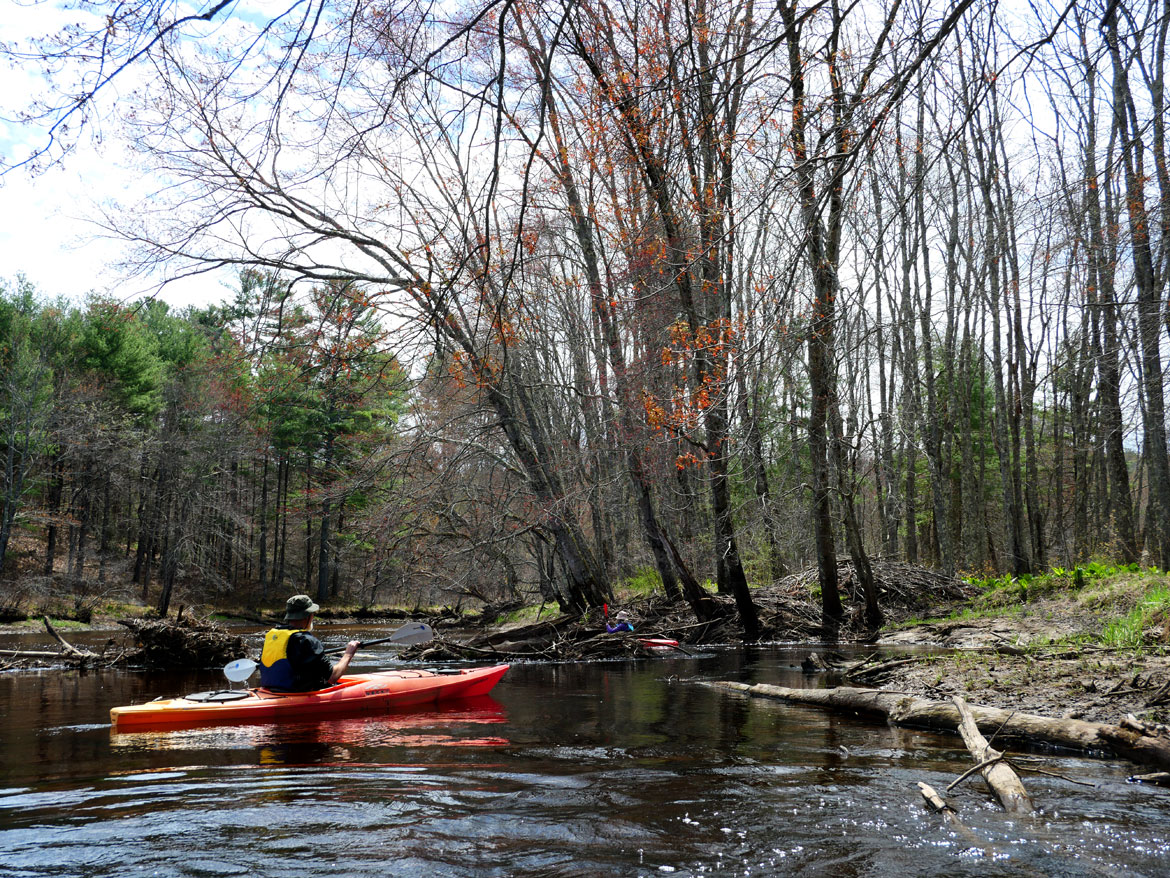
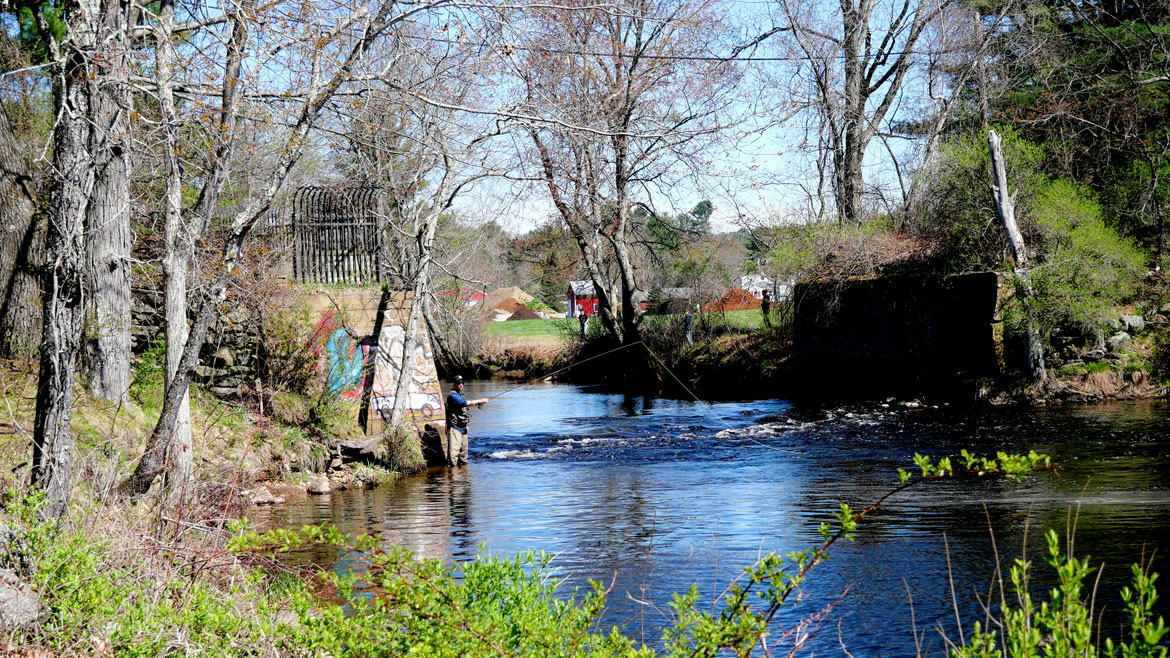
What does it mean to remove a dam that’s constrained a river for more than a century? What does it look like to loose the bindings that have impeded the flow, stymied cold water trout, reshaped the river banks?
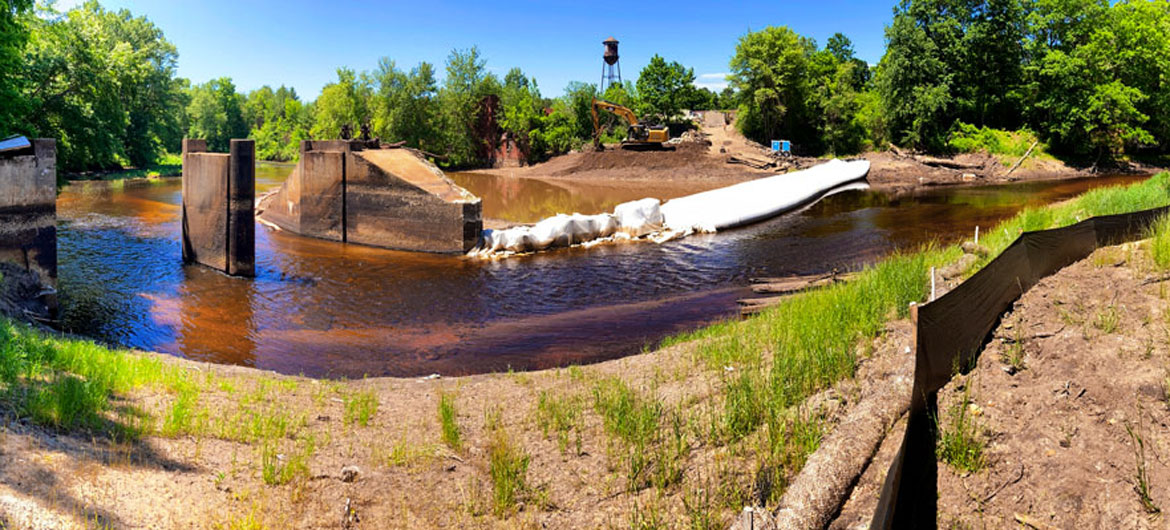
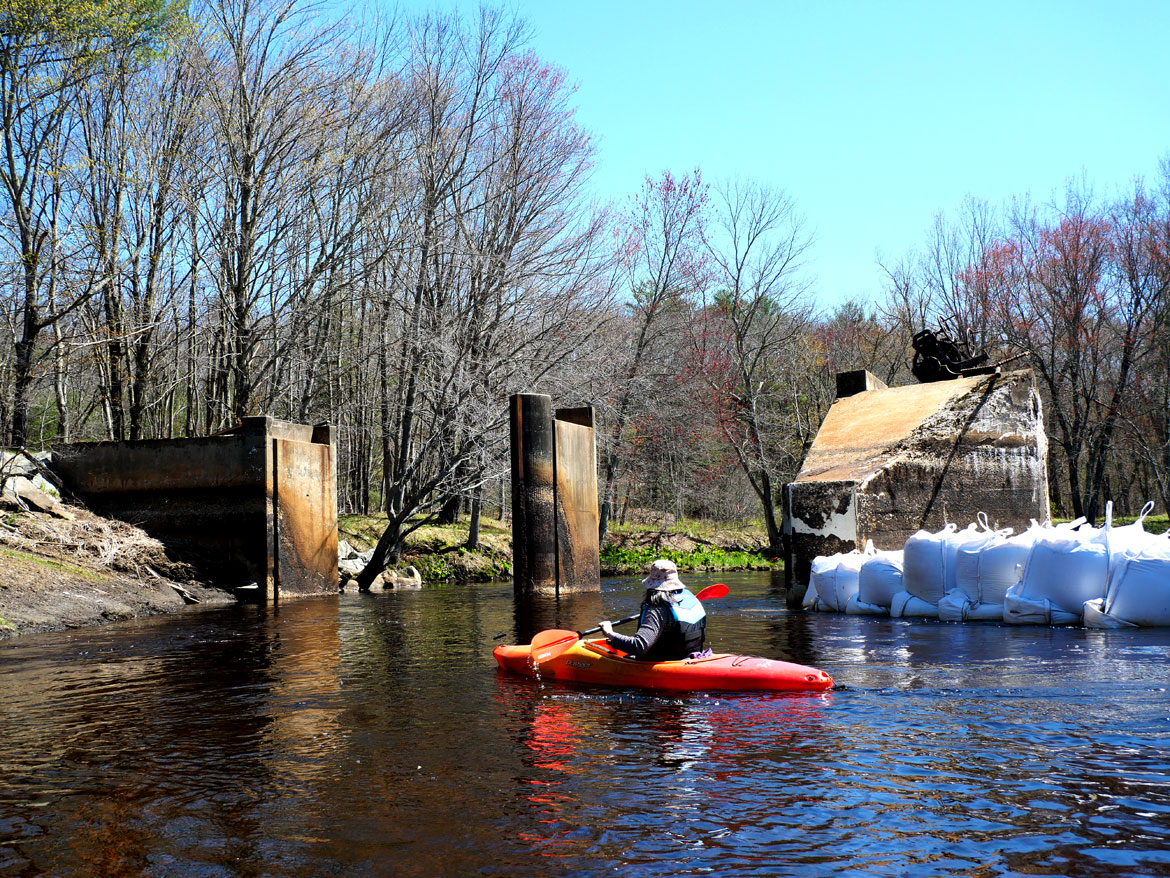
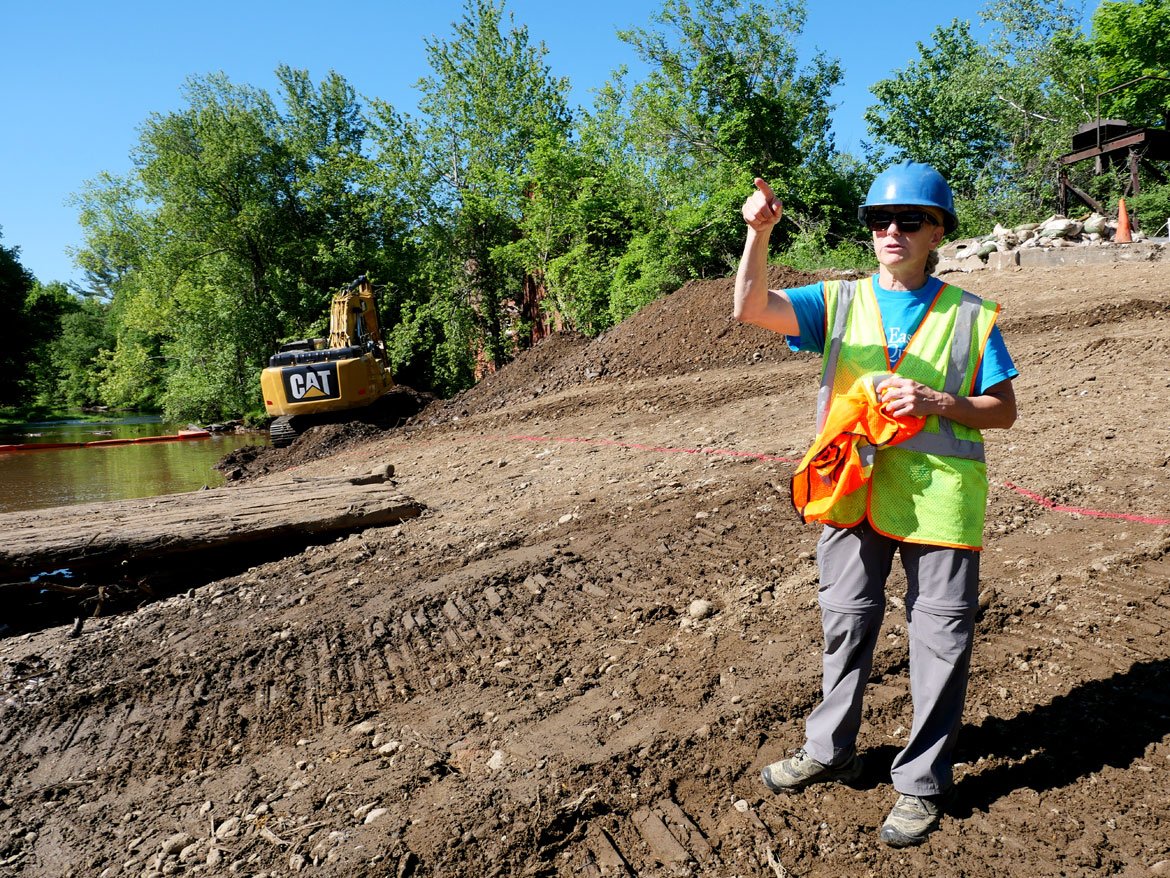
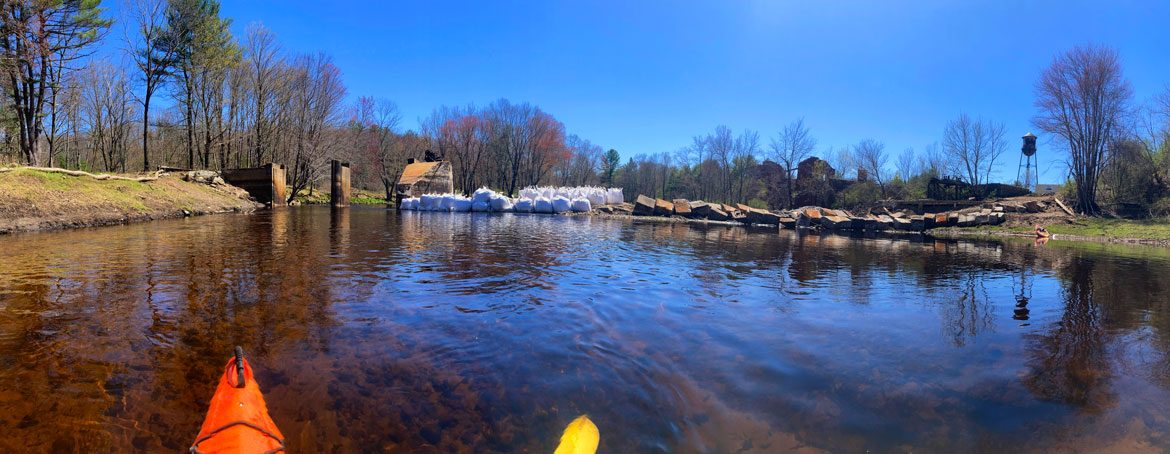
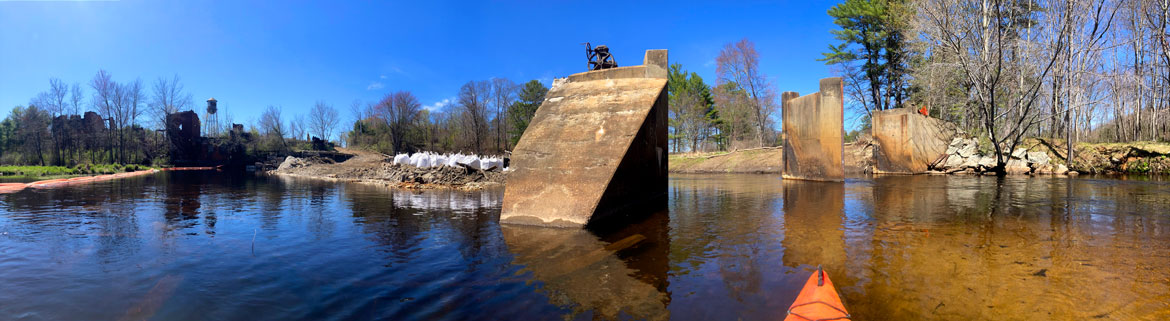
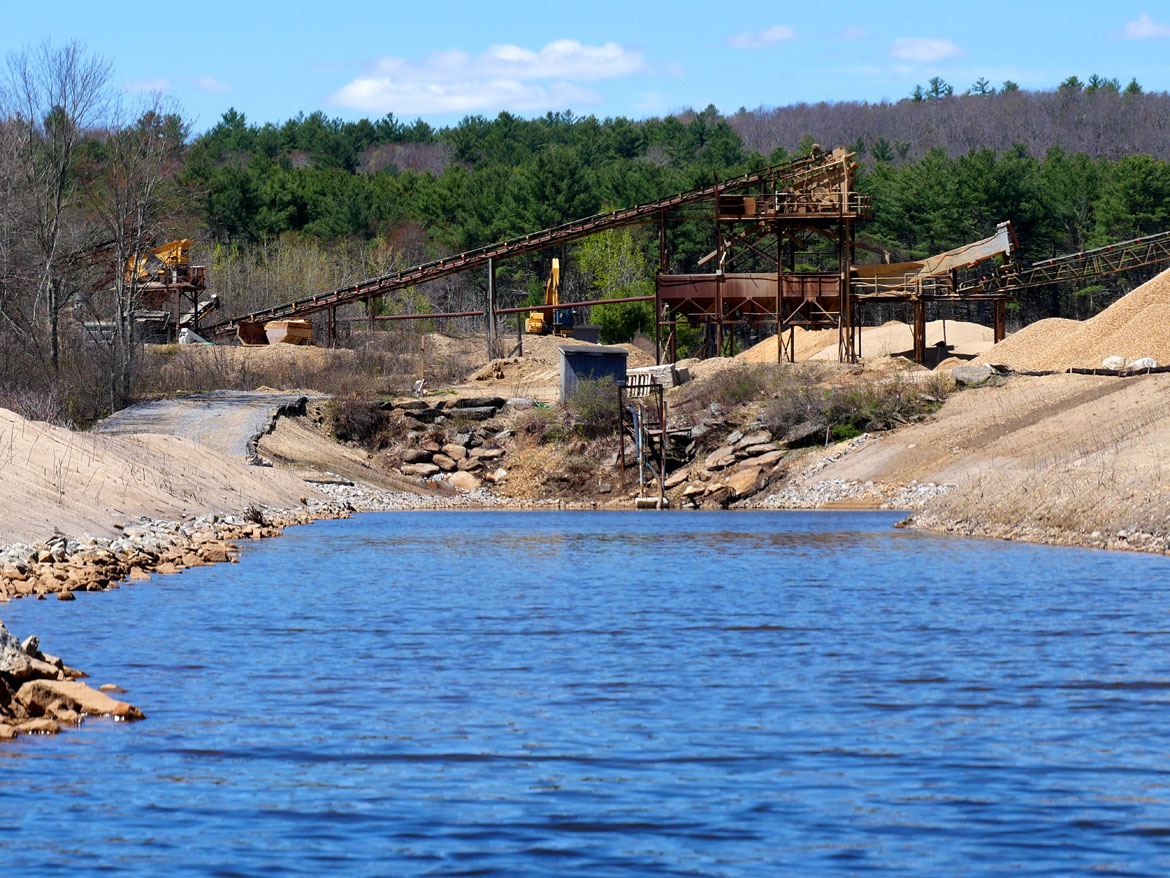
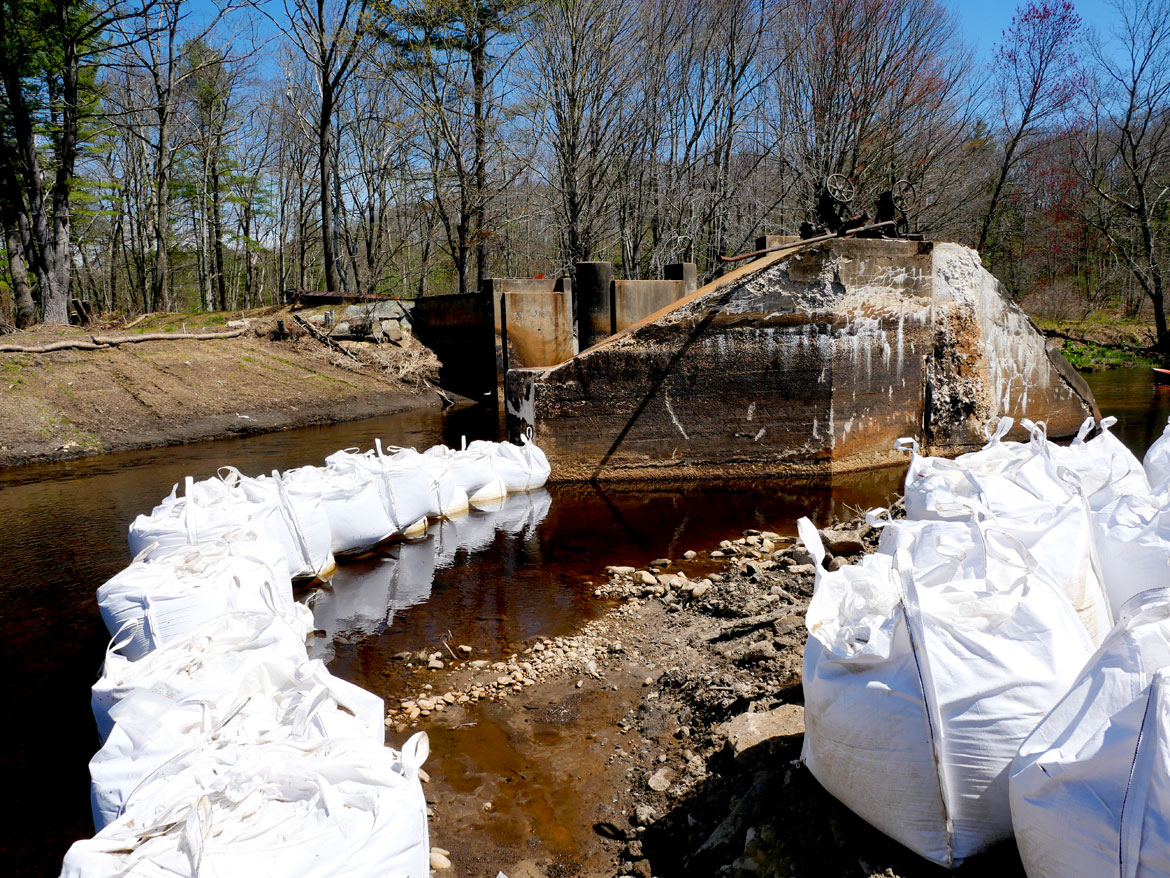
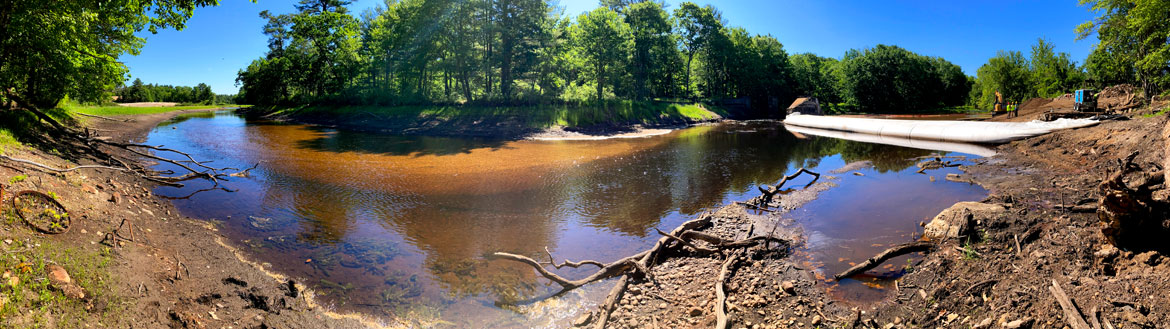
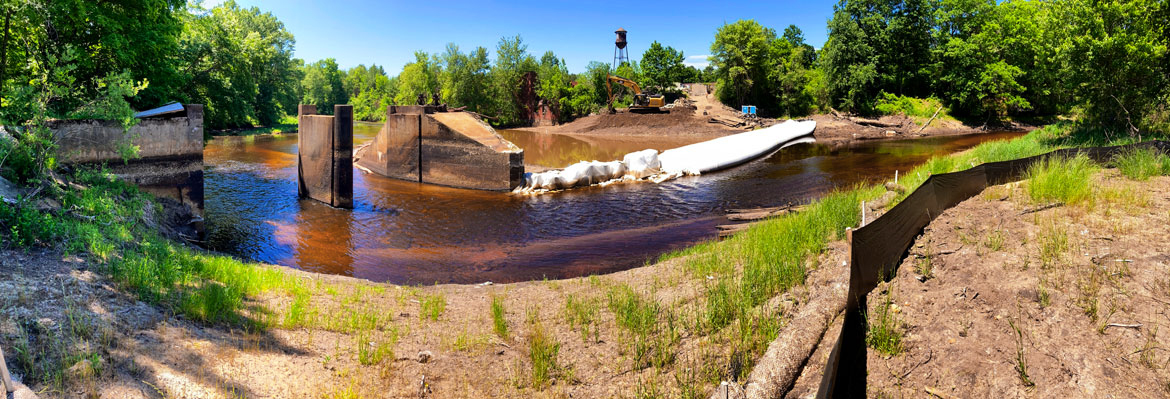
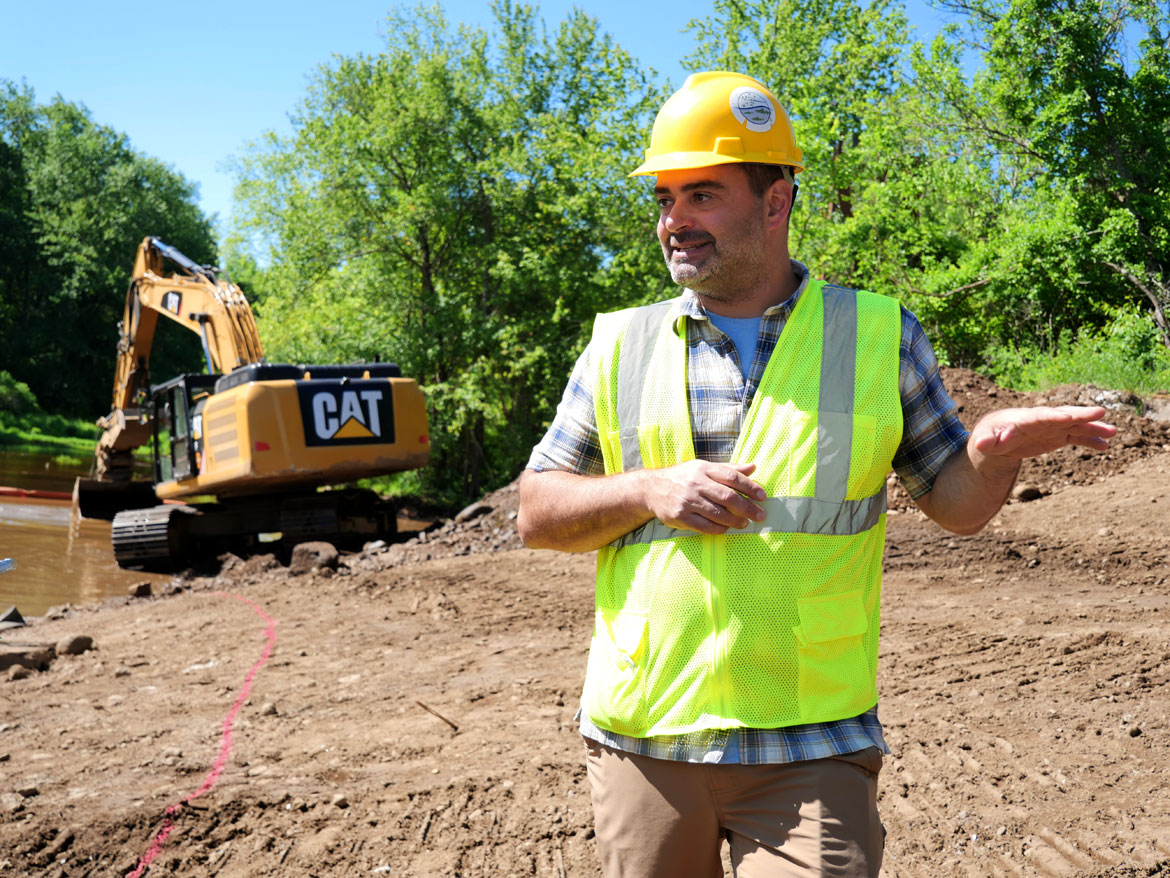
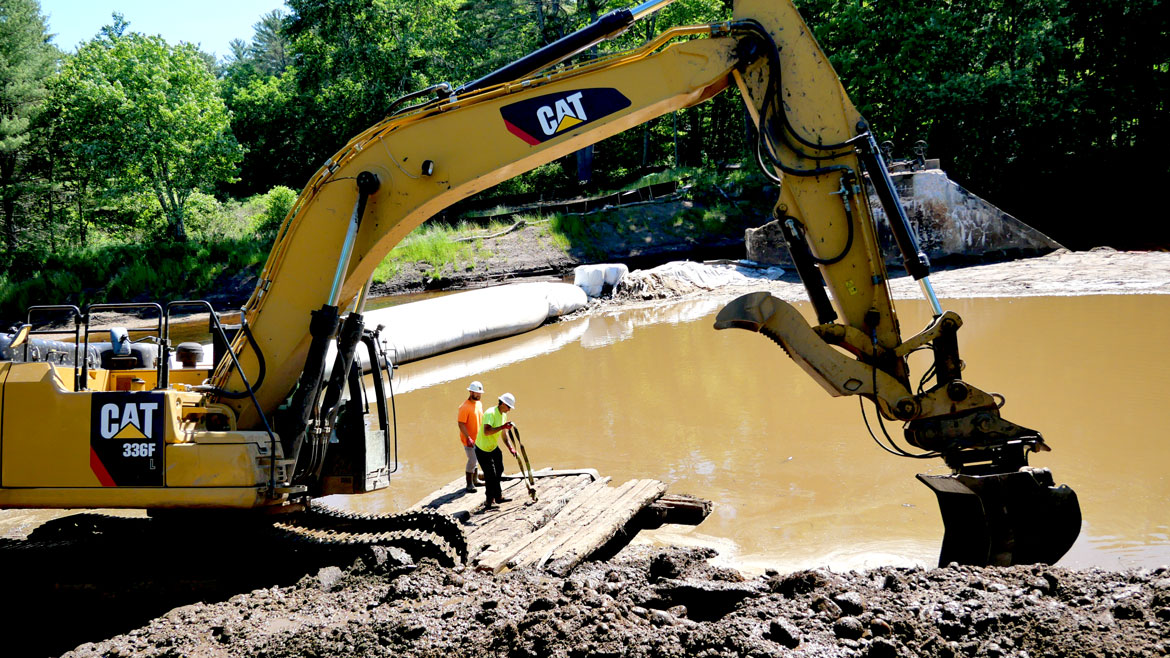
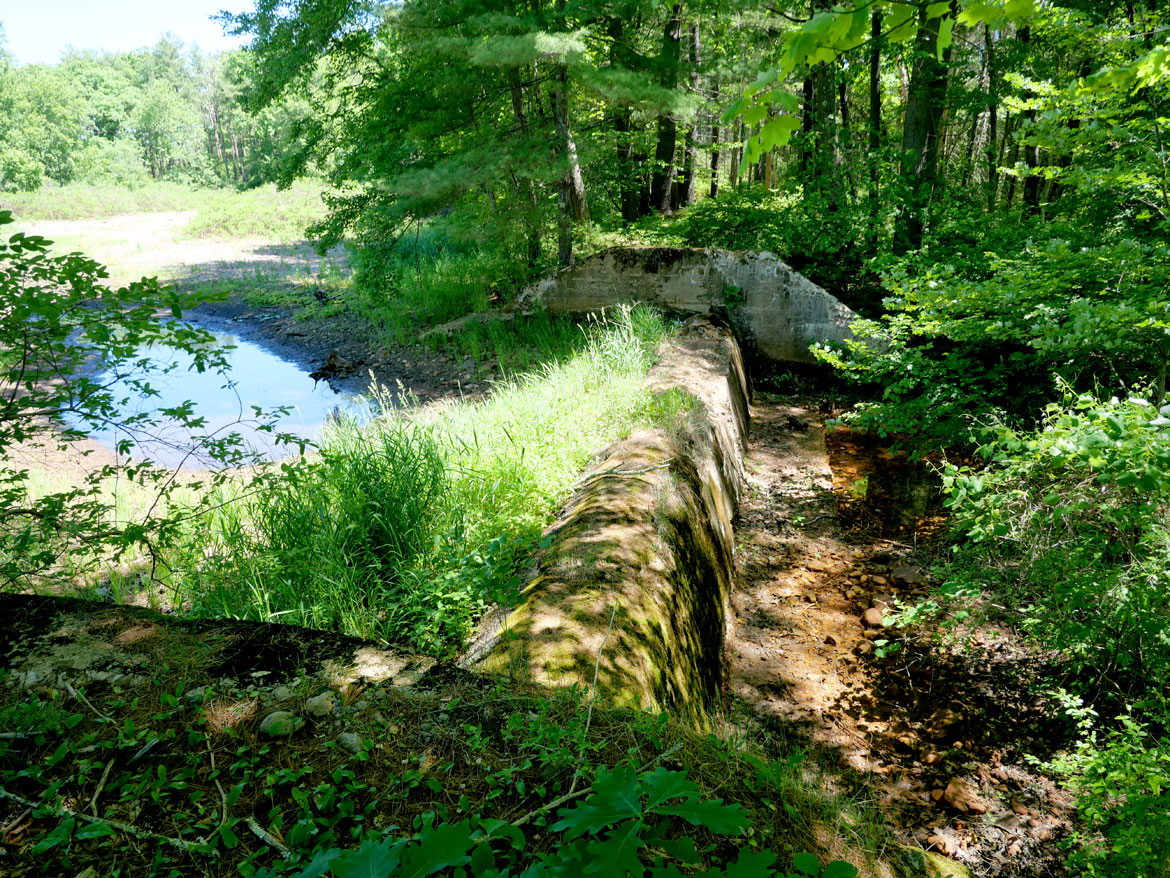
This spring the Massachusetts Department of Fish and Game’s Division of Ecological Restoration, in collaboration with the East Quabbin Land Trust, was removing the Wheelwright Dam from the Ware River, spanning Hardwick and New Braintree in central Massachusetts. I’ve been working on a documentary about the effort. “It’s a 500-foot-long dam. It’s the largest dam in Massachusetts to be removed,” State Restoration Specialist Joseph Gould tells me. “It will also reconnect over 100 miles of mainstem and tributary habitat which is the most stream miles reconnected, to date, by a dam removal.”
Historically dams have been engines of industry, powering mills and factories, that whole communities were built around. Now so many dams continue to obstruct our waterways long after their purpose has disappeared.
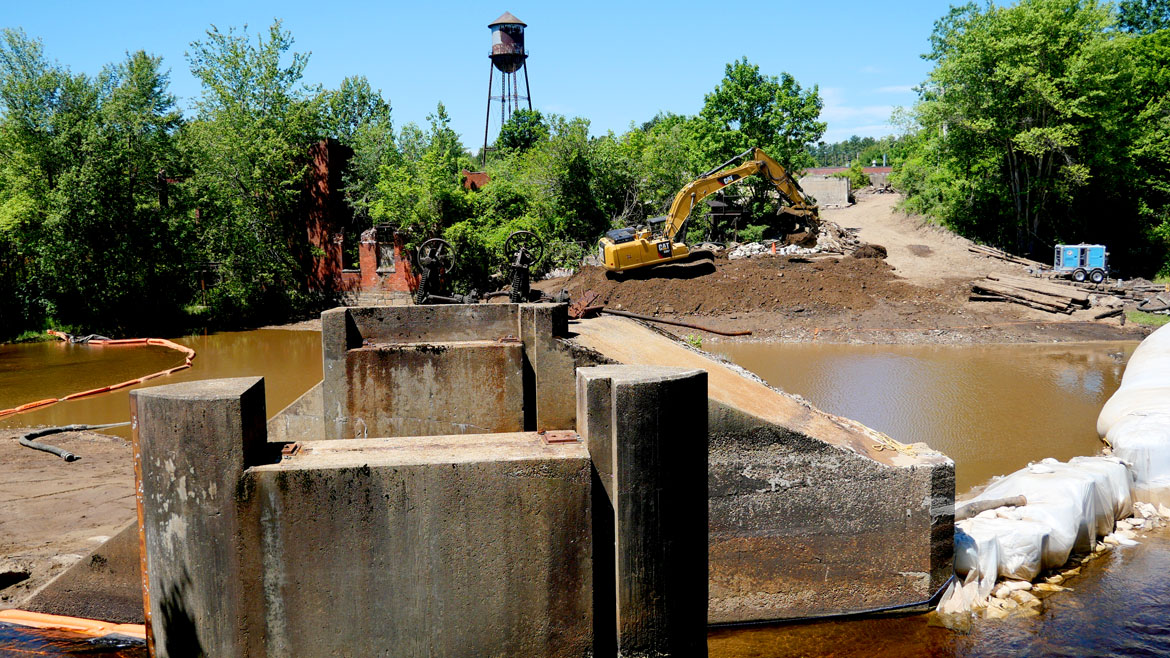
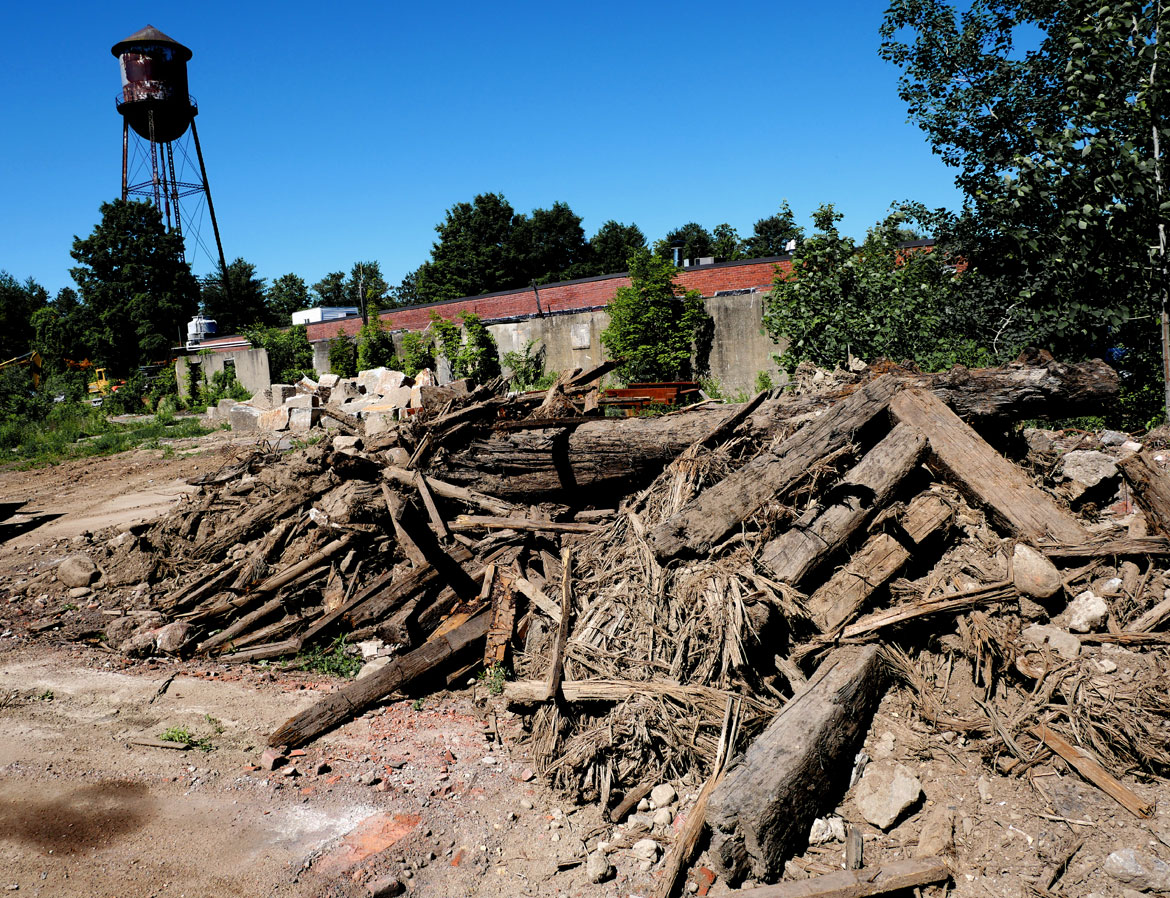
Cynthia Henshaw, executive director of the land trust, tells me, “Wheelwright Dam was a timber-frame dam with rocks in the middle, then added concrete on the downstream side to hold it in.”
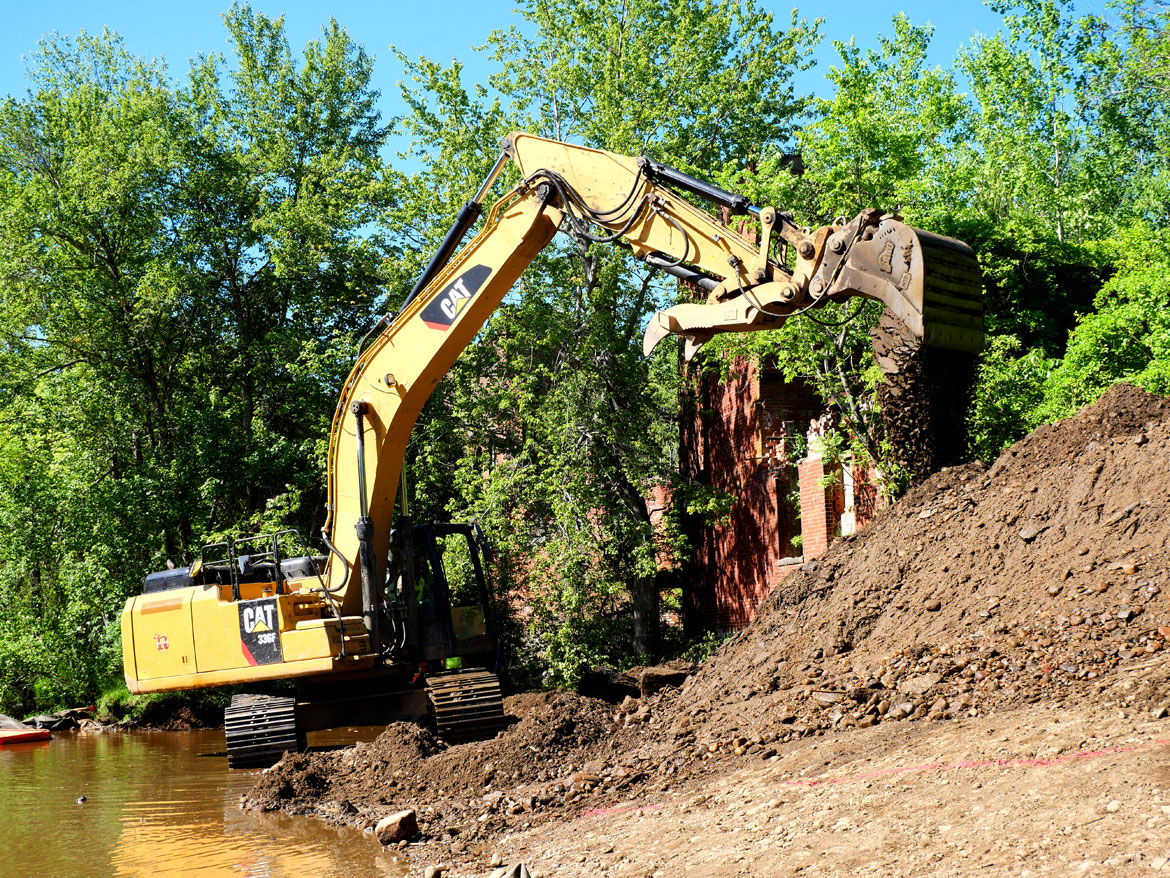
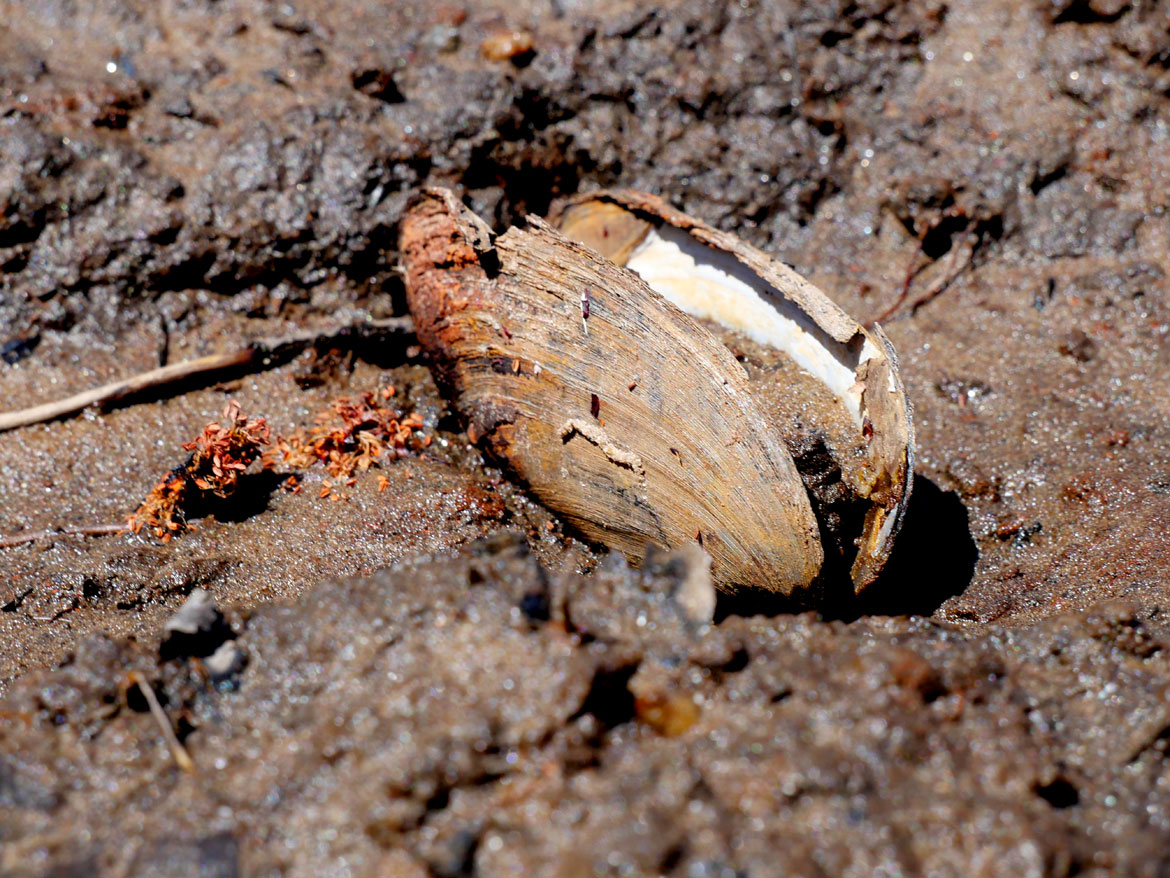
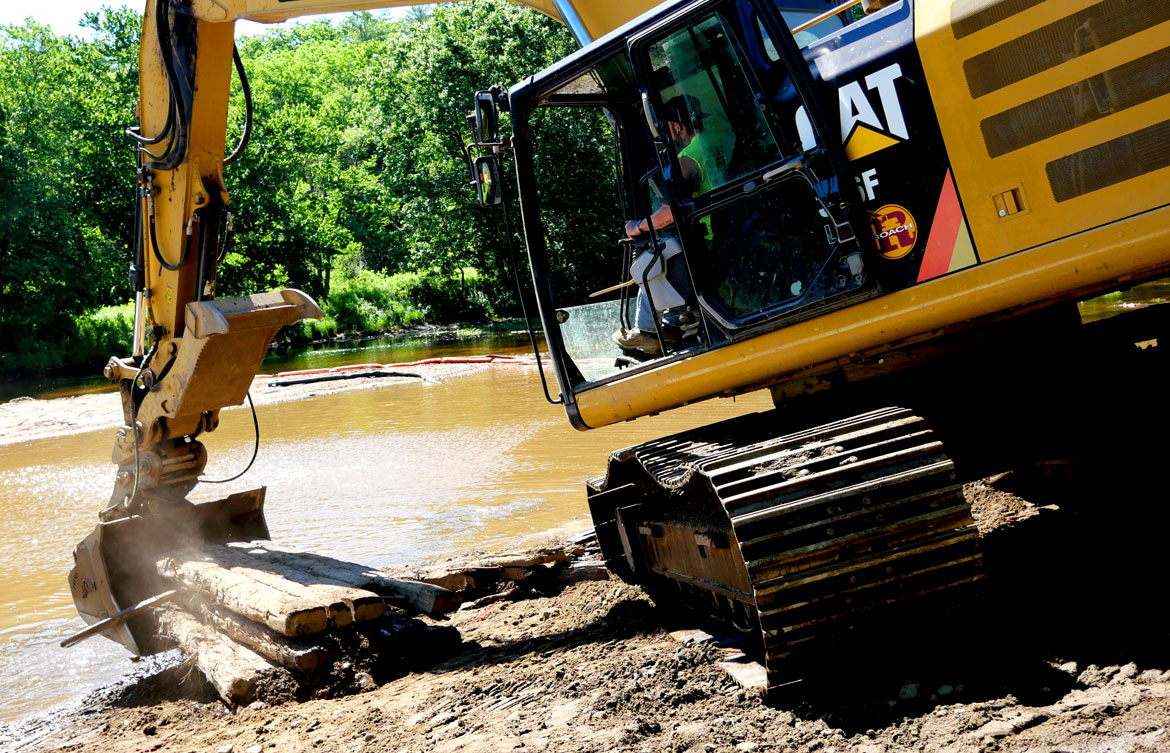
Removing Wheelwright Dam looks like growling, clanking earth movers digging out steel and wood and tons of rocks and dirt. It is taking care of freshwater eastern elliptio mussels and rare Alasmidonta undulata “triangle floater” mussels and rare Strophitus undulatus “creeper” mussels. It is planting along newly exposed shores. It is daylighting, exposing a tributary to the Ware River, that’s long been buried under an abutting airfield.
Gould says Massachusetts took down 15 dams last year, the most ever removed in a year in the state, or anywhere in the U.S.
So we find ourselves amidst a miraculous trend to take down barriers that have constrained our rivers and our wild friends who depend upon them for decades, a trend to reimagine our relationship with our places.
Special thanks to Josh Reynolds, who is kindly collaborating with us by doing drone photography and video, and to Kari Percival, for science expertise, for our ongoing Wheelwright Dam Removal documentary project.