What does it mean to remove a dam that’s constrained a river for more than a century? What does it look like to loose the bindings that have impeded the flow, stymied cold water trout, reshaped the river banks?

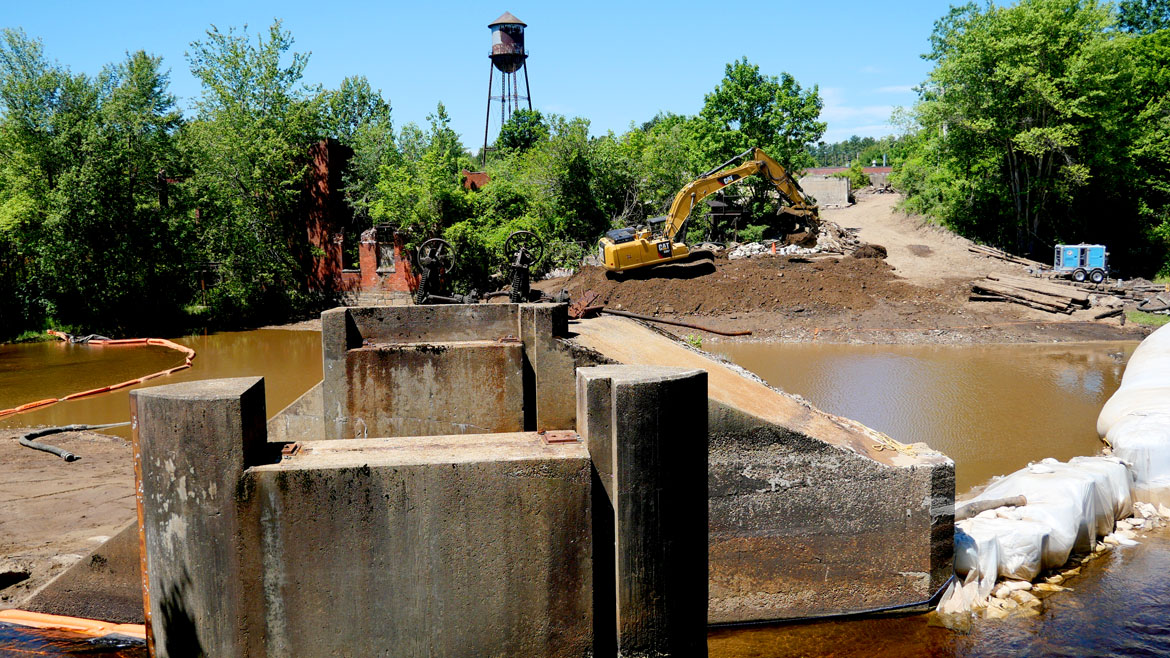
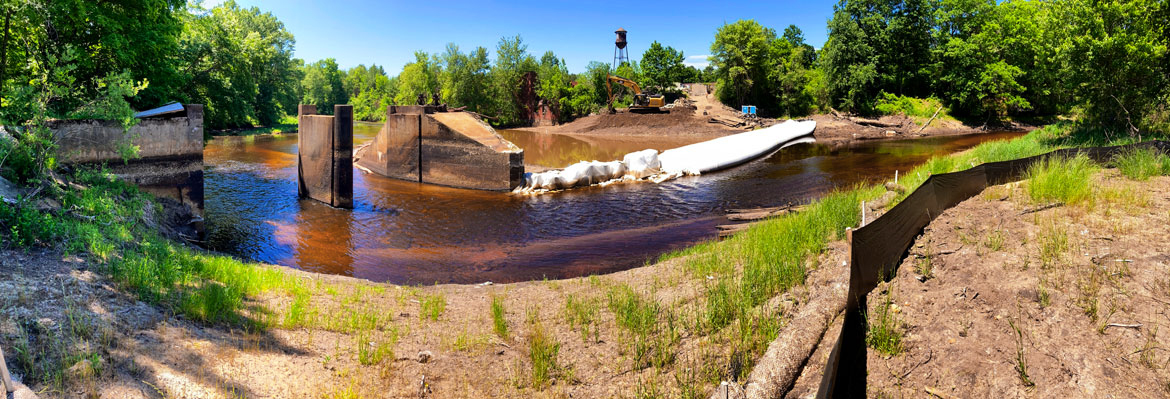
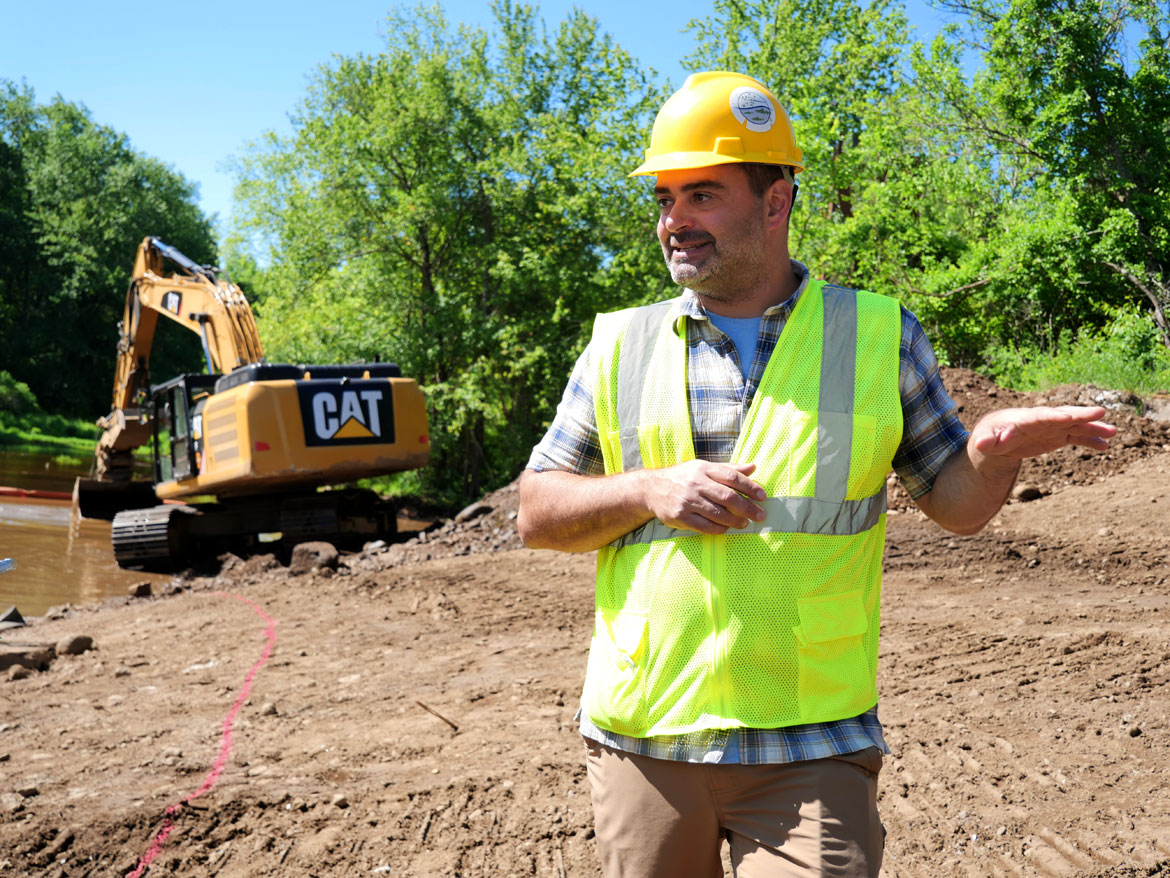
This spring the Massachusetts Department of Fish and Game’s Division of Ecological Restoration, in collaboration with the East Quabbin Land Trust, was removing the Wheelwright Dam from the Ware River, spanning Hardwick and New Braintree in central Massachusetts. I’ve been working on a documentary about the effort. “It’s a 500-foot-long dam. It’s the largest dam in Massachusetts to be removed,” State Restoration Specialist Joseph Gould tells me. “It will also reconnect over 100 miles of mainstem and tributary habitat which is the most stream miles reconnected, to date, by a dam removal.”

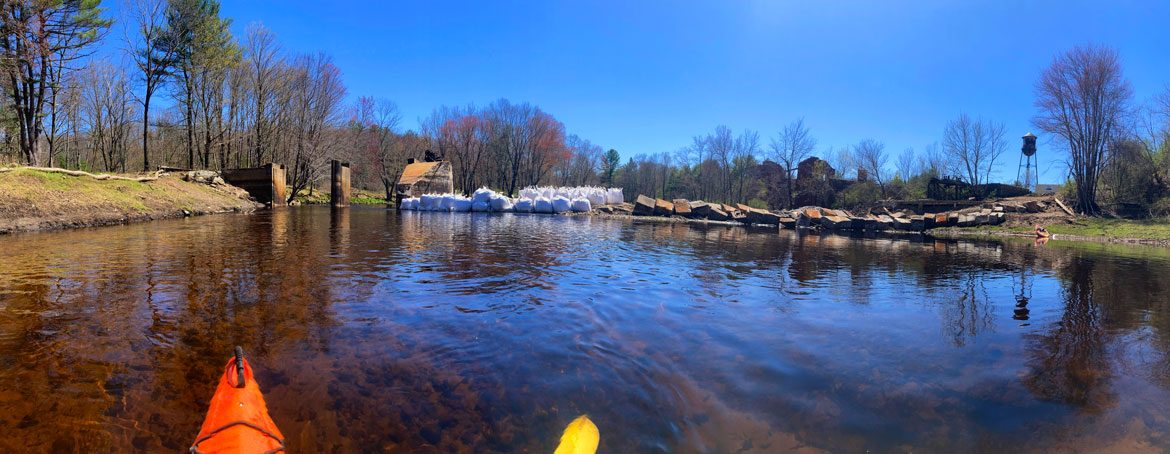
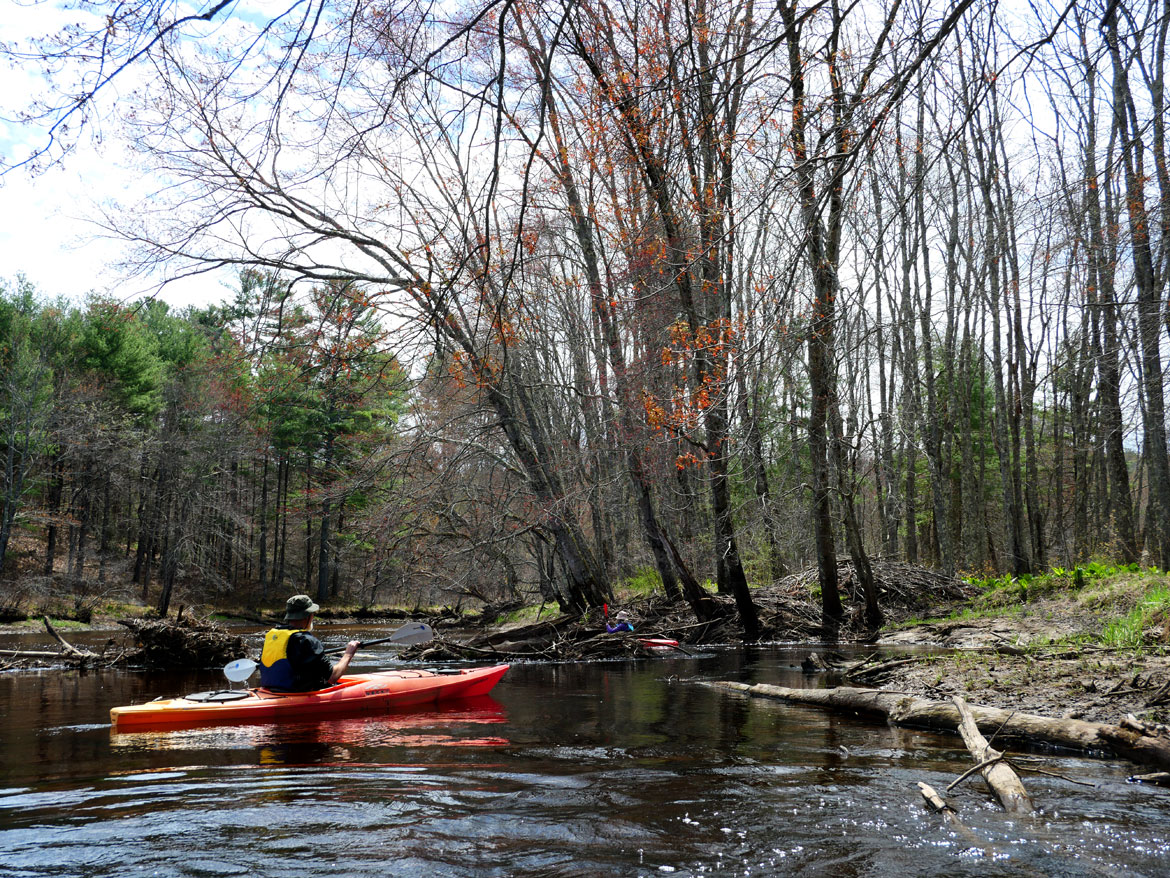
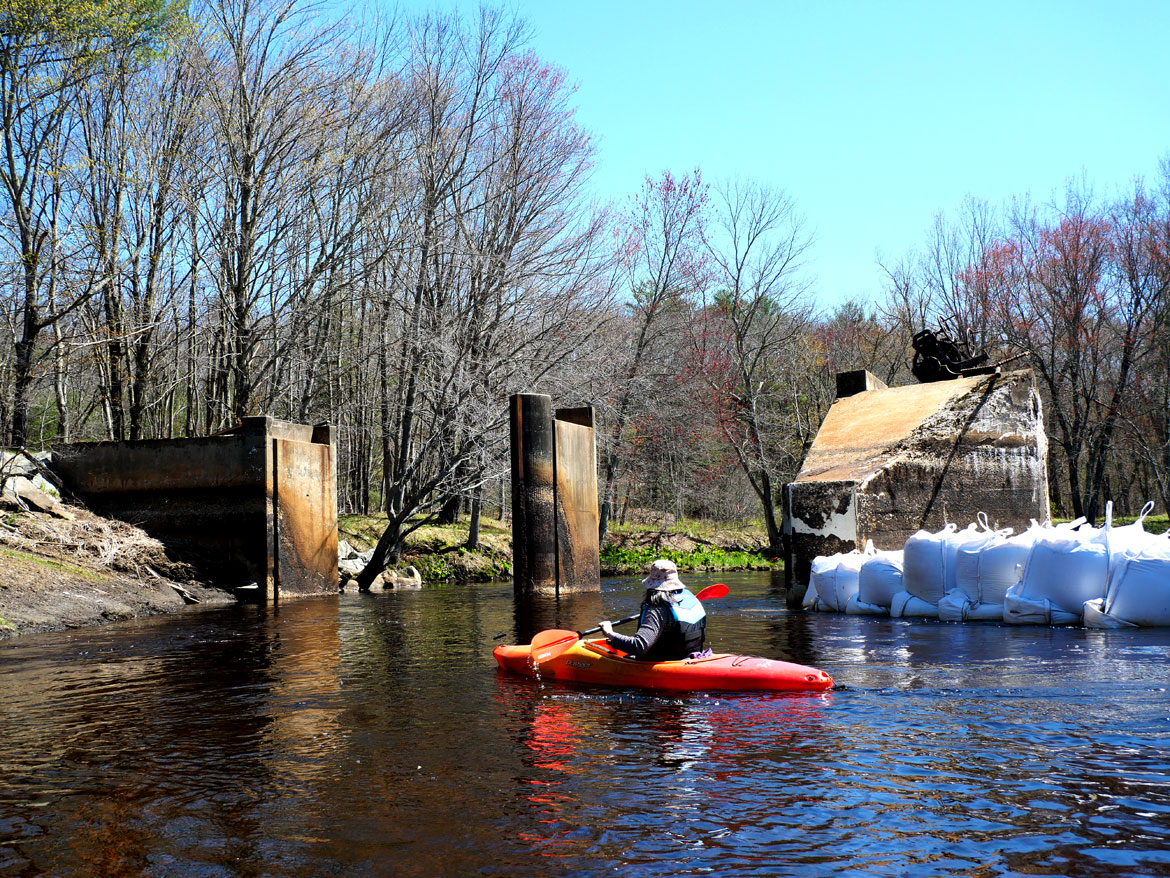
Kayaking through the open Wheelwright Dam, April 26 2026. (©Greg Cook photo)

Historically dams have been engines of industry, powering mills and factories, that whole communities were built around. Now so many dams continue to obstruct our waterways long after their purpose has disappeared.

Cynthia Henshaw, president of the land trust, tells me, “Wheelwright Dam was a timber-frame dam with rocks in the middle, then added concrete on the downstream side to hold it in.”

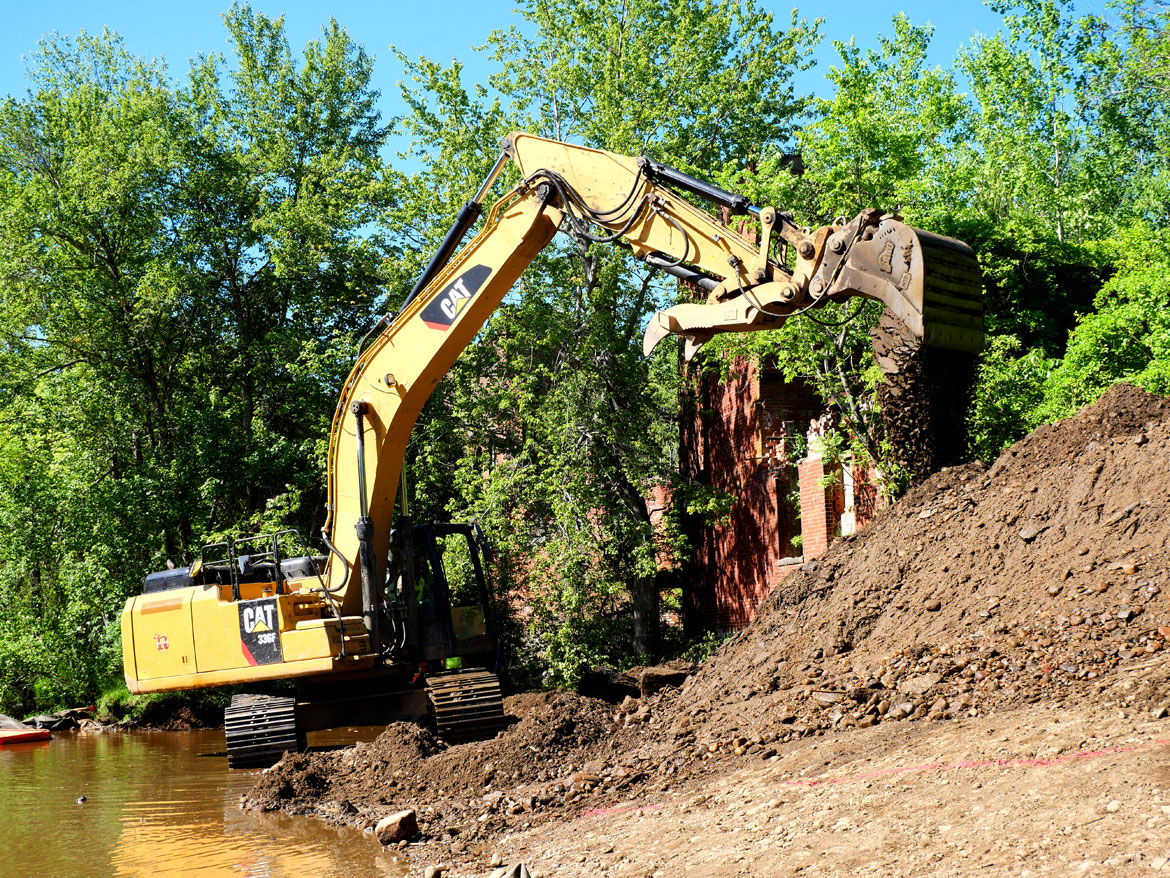
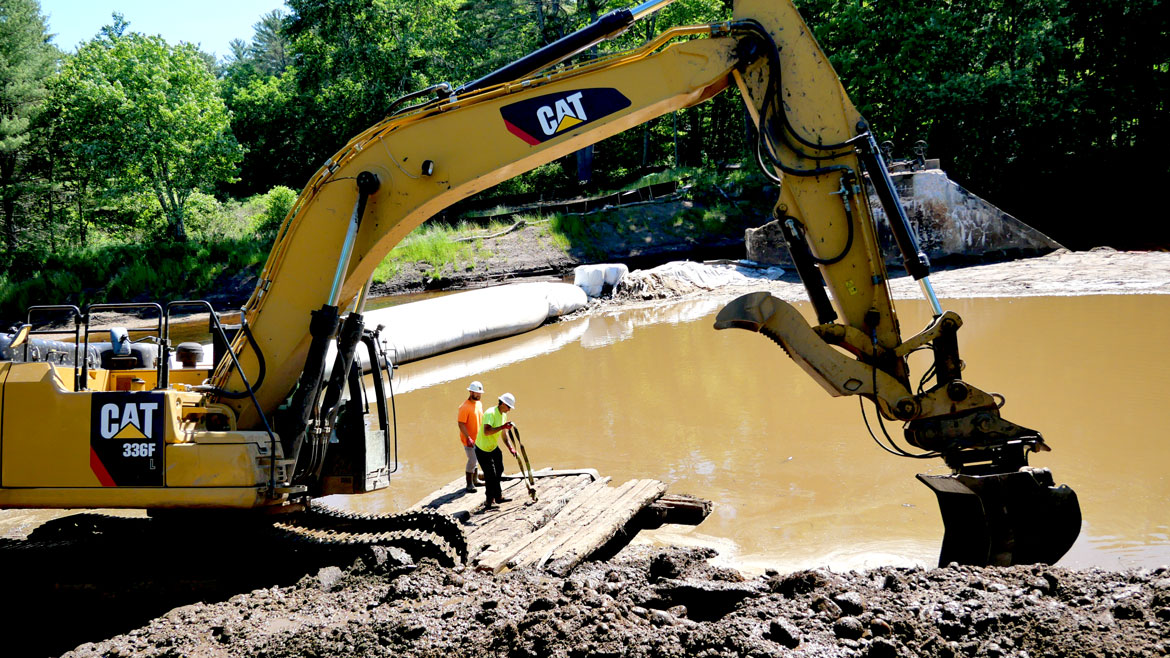
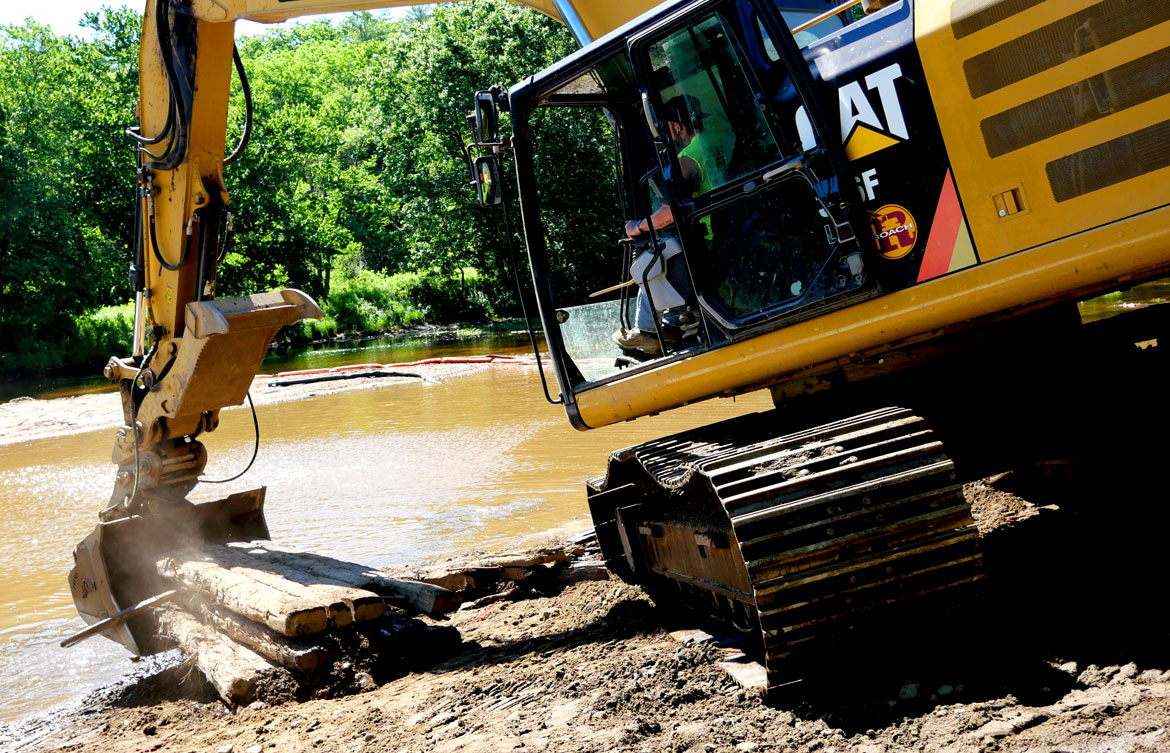
Removing Wheelwright Dam looks like growling, clanking earth movers digging out steel and wood and tons of rocks and dirt. It is taking care of freshwater eastern elliptio mussels and rare Alasmidonta undulata “triangle floater” mussels and rare Strophitus undulatus “creeper” mussels. It is planting along newly exposed shores. It is daylighting, exposing a tributary to the Ware River, that’s long been buried under an abutting airfield.

Gould says Massachusetts took down 15 dams last year, the most ever removed in a year in the state, or anywhere in the U.S.

So we find ourselves amidst a miraculous trend to take down barriers that have constrained our rivers and our wild friends who depend upon them for decades, a trend to reimagine our relationship with our places.


Special thanks to Josh Reynolds, who is kindly collaborating with us by doing drone photography and video, and to Kari Percival, for science expertise, for our ongoing Wheelwright Dam Removal documentary project.
If this is the kind of coverage of arts, cultures, and nature that you appreciate, please support Wonderland by contributing to Wonderland on Patreon. And sign up for our free, occasional newsletter so that you don’t miss any of our reporting. Follow us on Instagram and tell us what you really think on Facebook. (All content © Greg Cook 2026 or the respective creators.)

Drone view of Wheelwright Dam, April 26. 2026. (© Josh Reynolds photo)
Earthmover reshapes the riverbank at the Wheelwright Dam, June 9, 2026. (©Greg Cook photo)
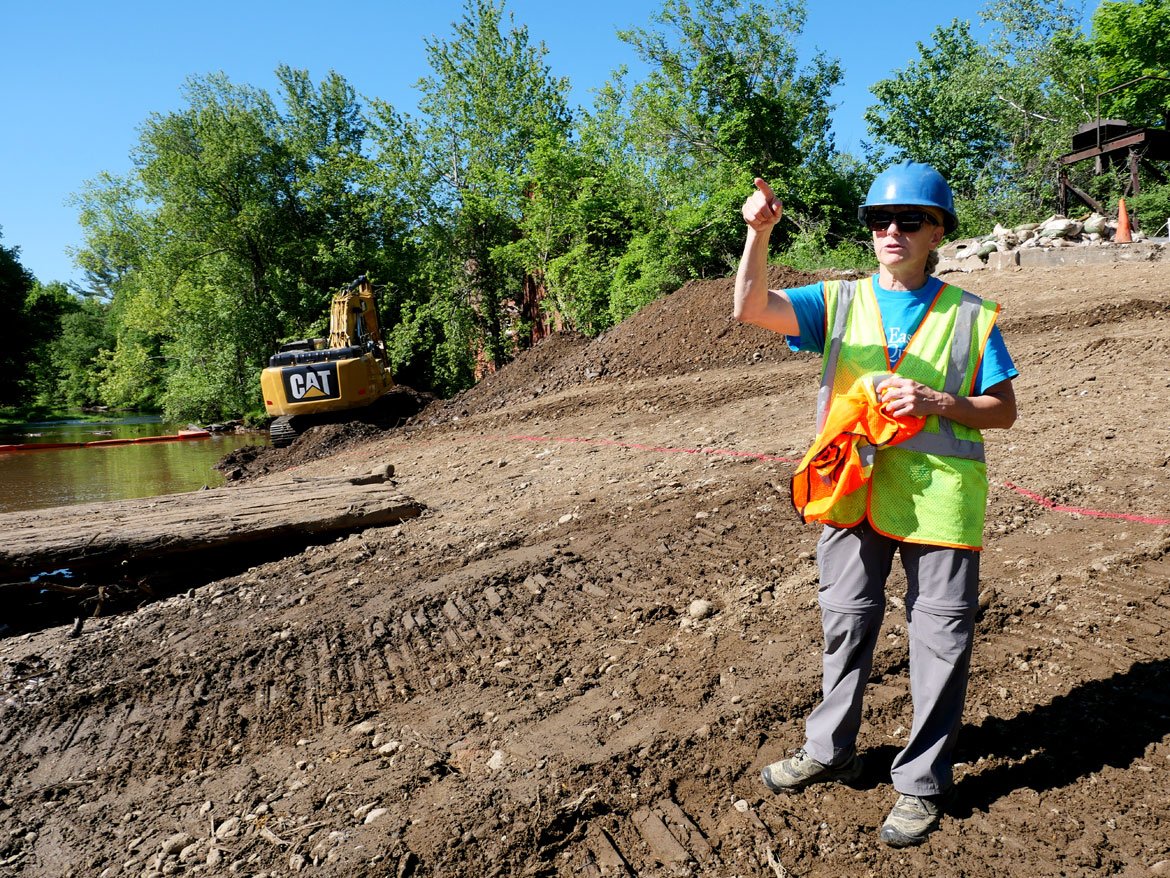
Cynthia Henshaw, president of the East Quabbin Land Trust, on riverbank at the Wheelwright Dam, June 9, 2026. (©Greg Cook photo)
Upstream side of Wheelwright Dam, April 26 2026. (©Greg Cook photo)
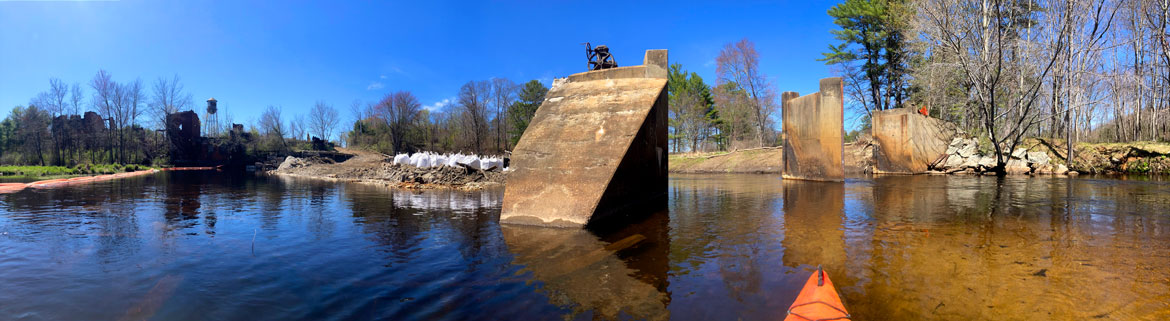
Downstream side of Wheelwright Dam, April 26 2026. (©Greg Cook photo)
Earthmover reshapes the riverbank at the Wheelwright Dam, June 9, 2026. (©Greg Cook photo)
Kayaking toward the Wheelwright Dam, April 26, 2026. (©Greg Cook photo)
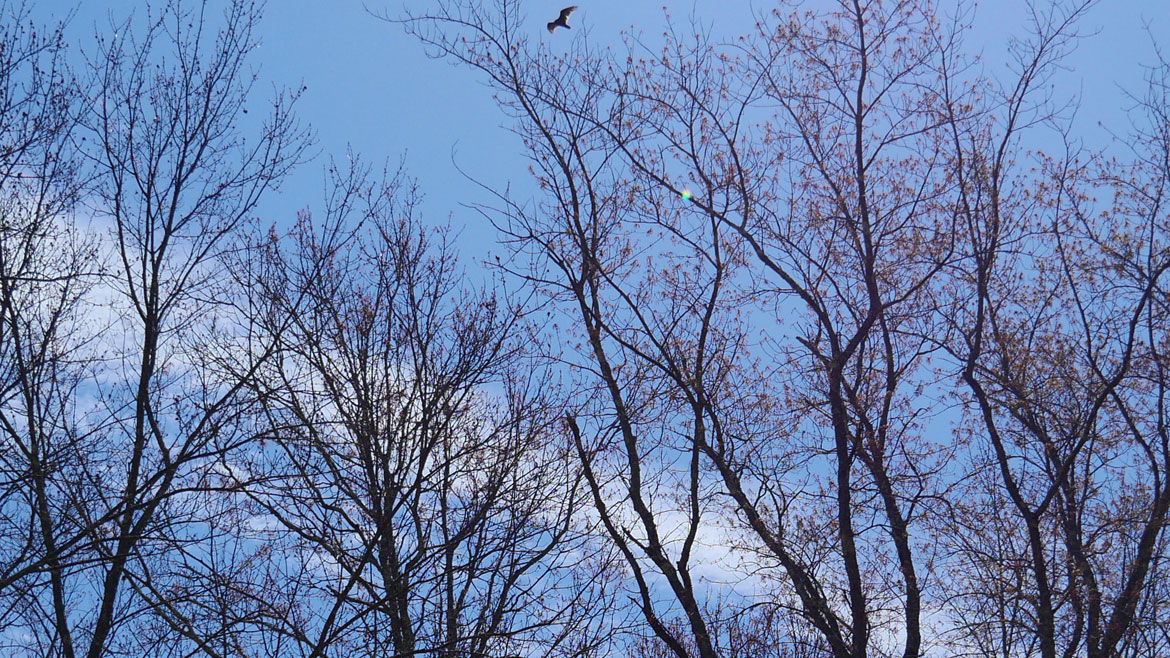
Hawk glides above the budding maples upstream of the Wheelwright Dam, April 26, 2026. (©Greg Cook photo)
Beaver lodges can be found upstream of the Wheelwright Dam, April 26, 2026. (©Greg Cook photo)
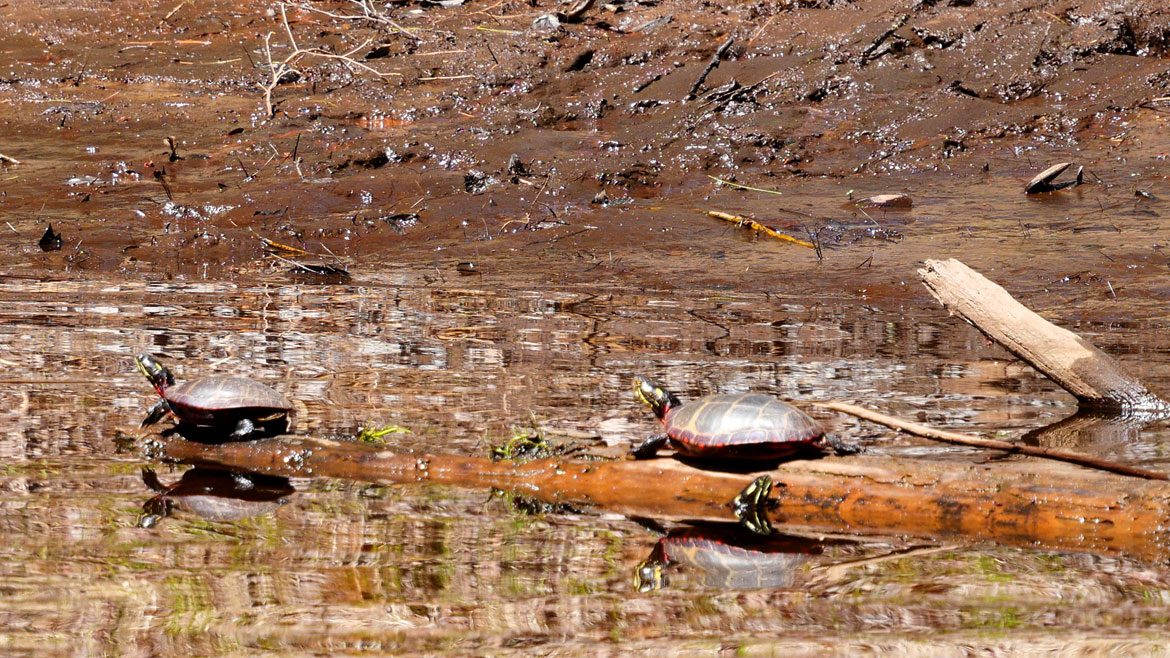
Painted turtles upstream of Wheelwright Dam, April 26, 2026. (©Greg Cook photo)
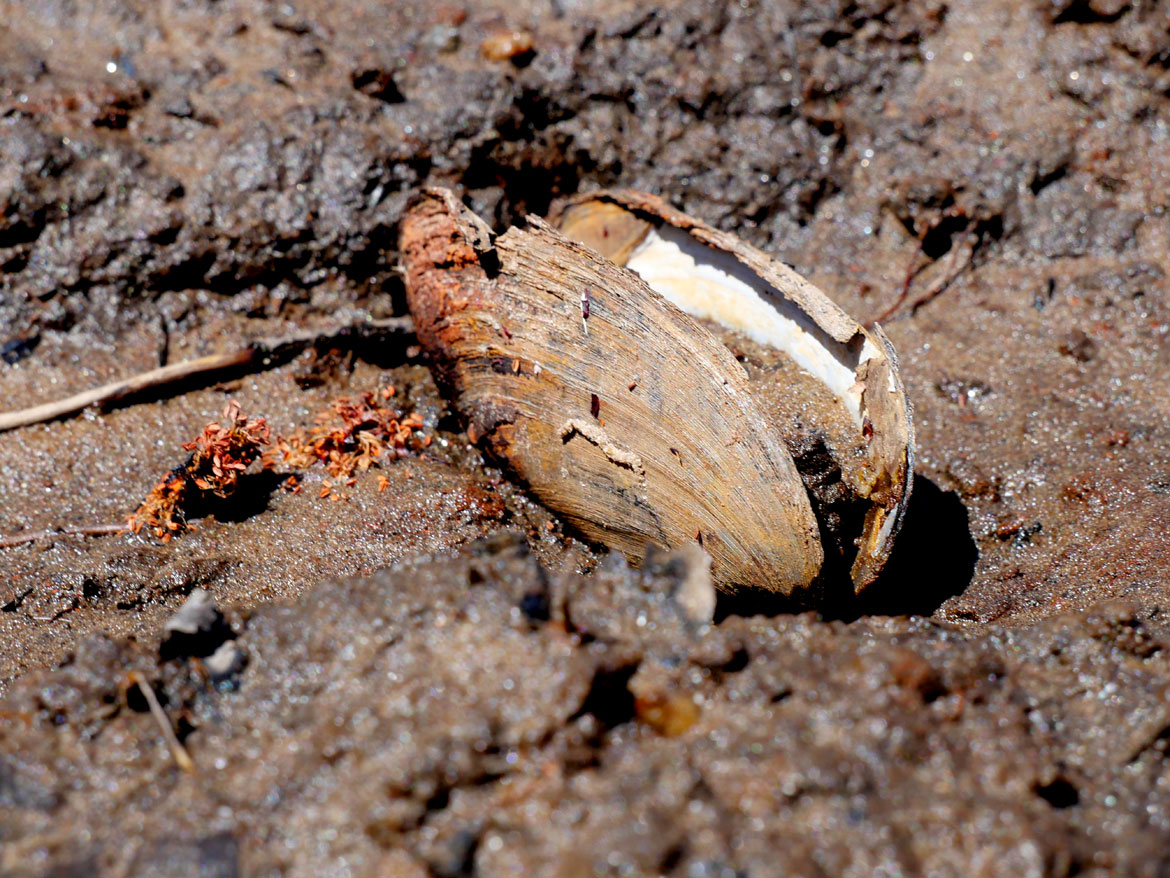
Mussels grow in the muddy riverbanks upstream of the Wheelwright Dam, April 26, 2026. (©Greg Cook photo)
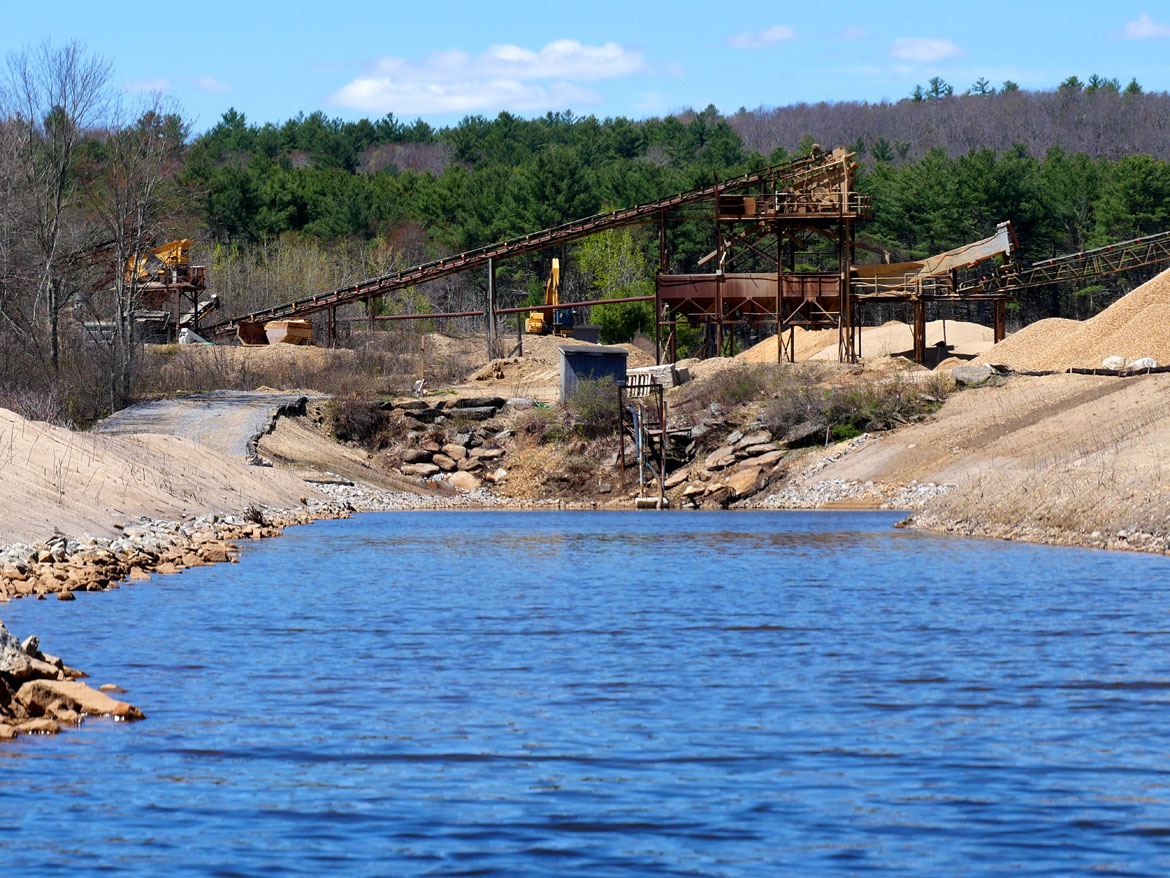
R.J. McDonald Inc. “washed stone” and sand plant just upstream of the Wheelwright Dam. State staff have worked with the company to maintain its access to draw water from the river. April 26, 2026. (©Greg Cook photo)
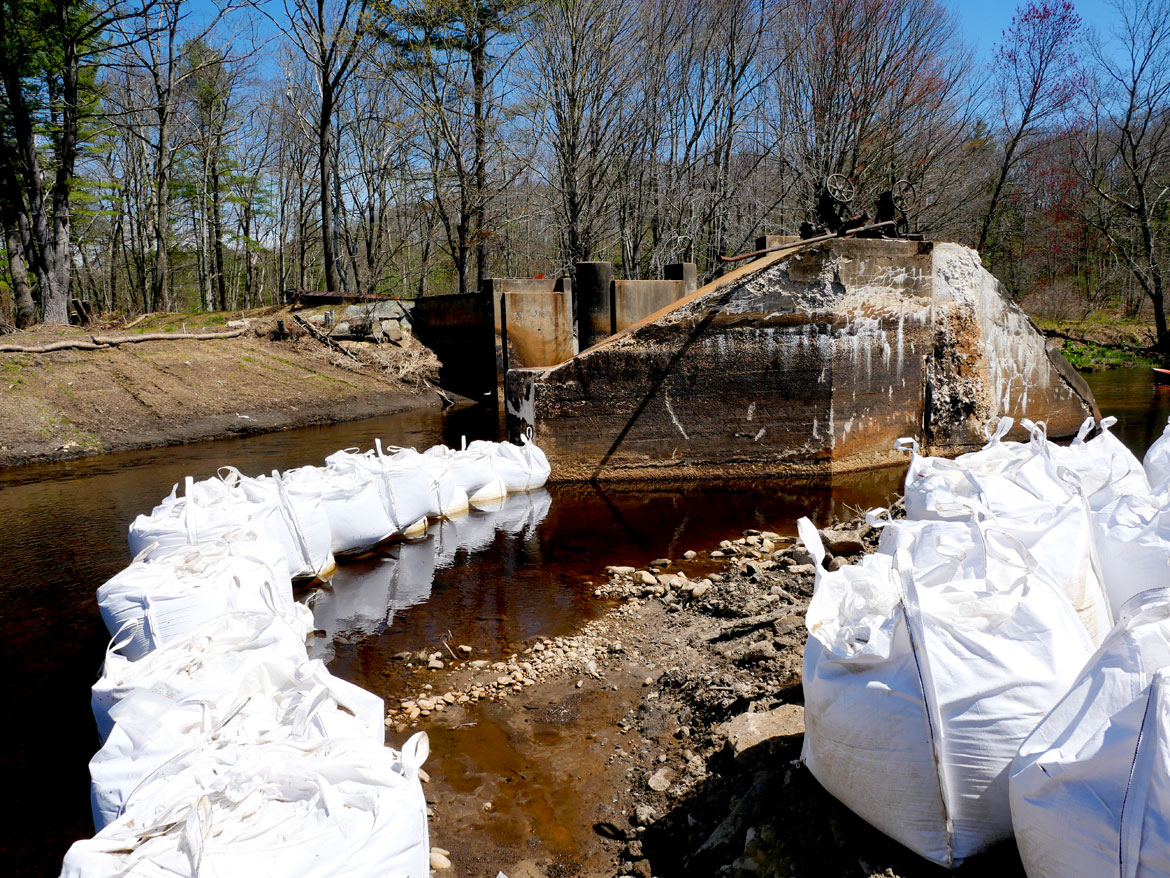
Wheelwright Dam, April 26, 2026. (©Greg Cook photo)
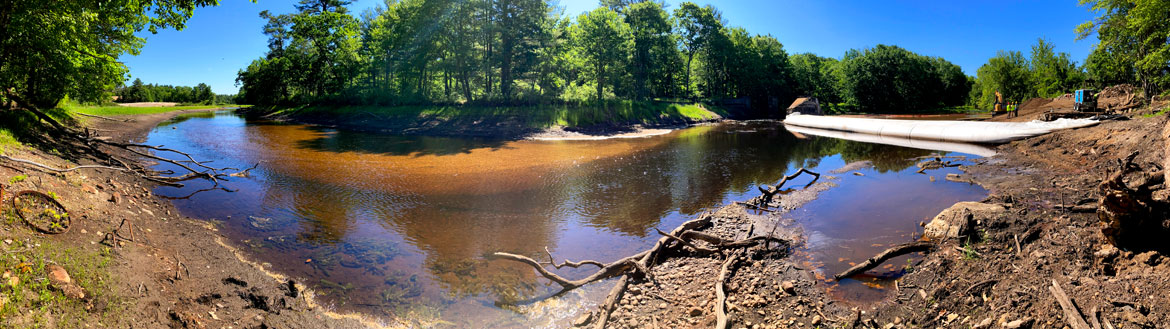
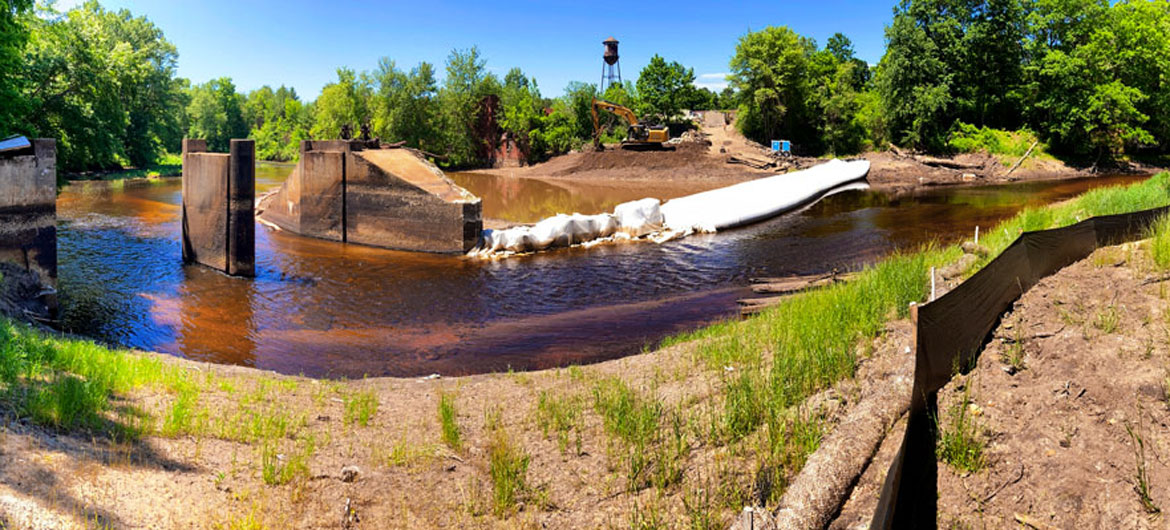
The Ware River bends around to the temporary dam installed so that the old Wheelwright Dam behind it could be removed, June 9, 2026. (©Greg Cook photo)
Much of the Wheelwright Dam is gone, June 9, 2026. (©Greg Cook photo)
Joseph Gould, Restoration Specialist for Massachusetts Division of Ecological Restoration, on riverbank at the Wheelwright Dam, June 9, 2026. (©Greg Cook photo)
Earthmover reshapes the riverbank as little of the Wheelwright Dam remains, June 9, 2026. (©Greg Cook photo)
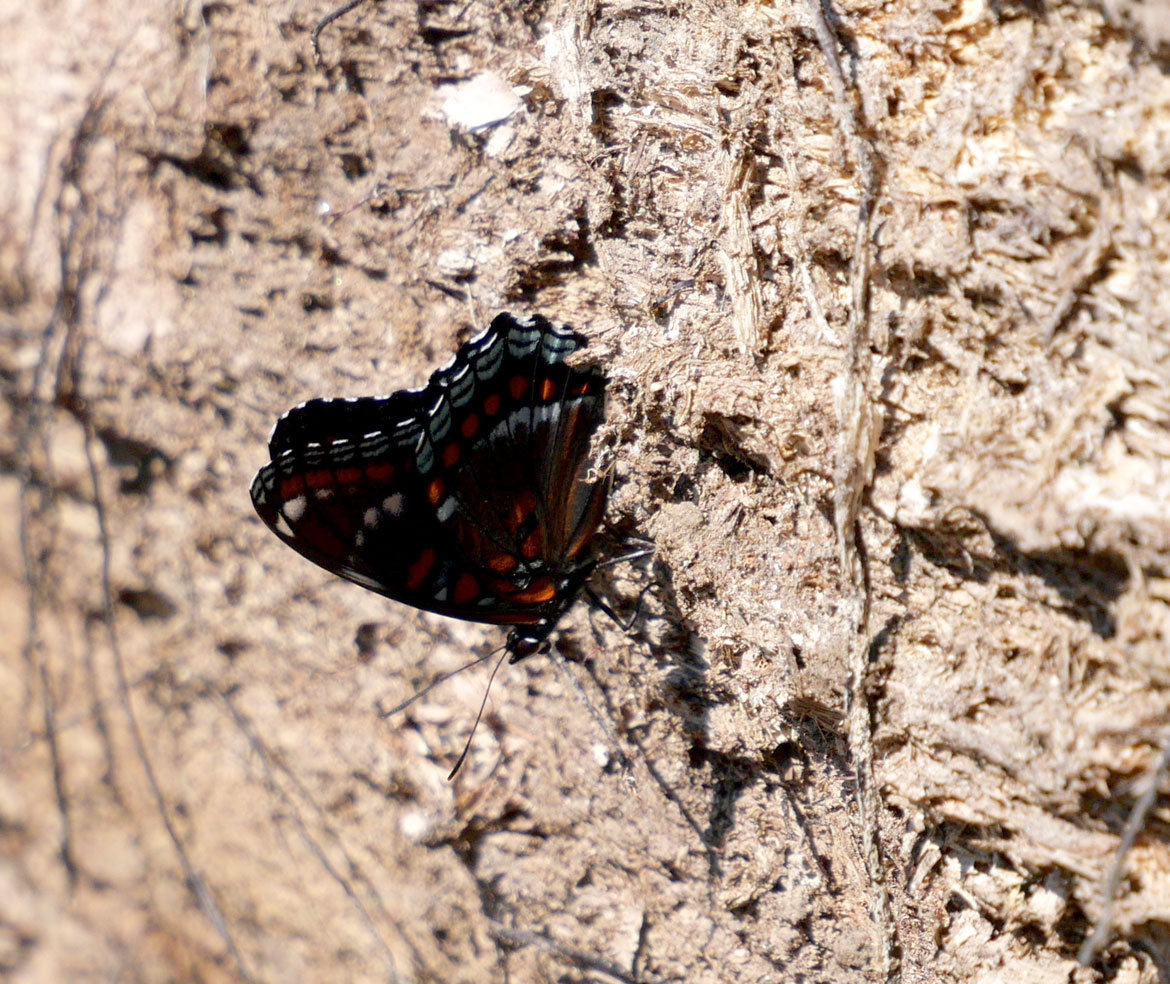
Butterfly just upstream of the Wheelwright Dam, June 9, 2026. (©Greg Cook photo)
Earth mover moves timbers from the Wheelwright Dam, June 9, 2026. (©Greg Cook photo)
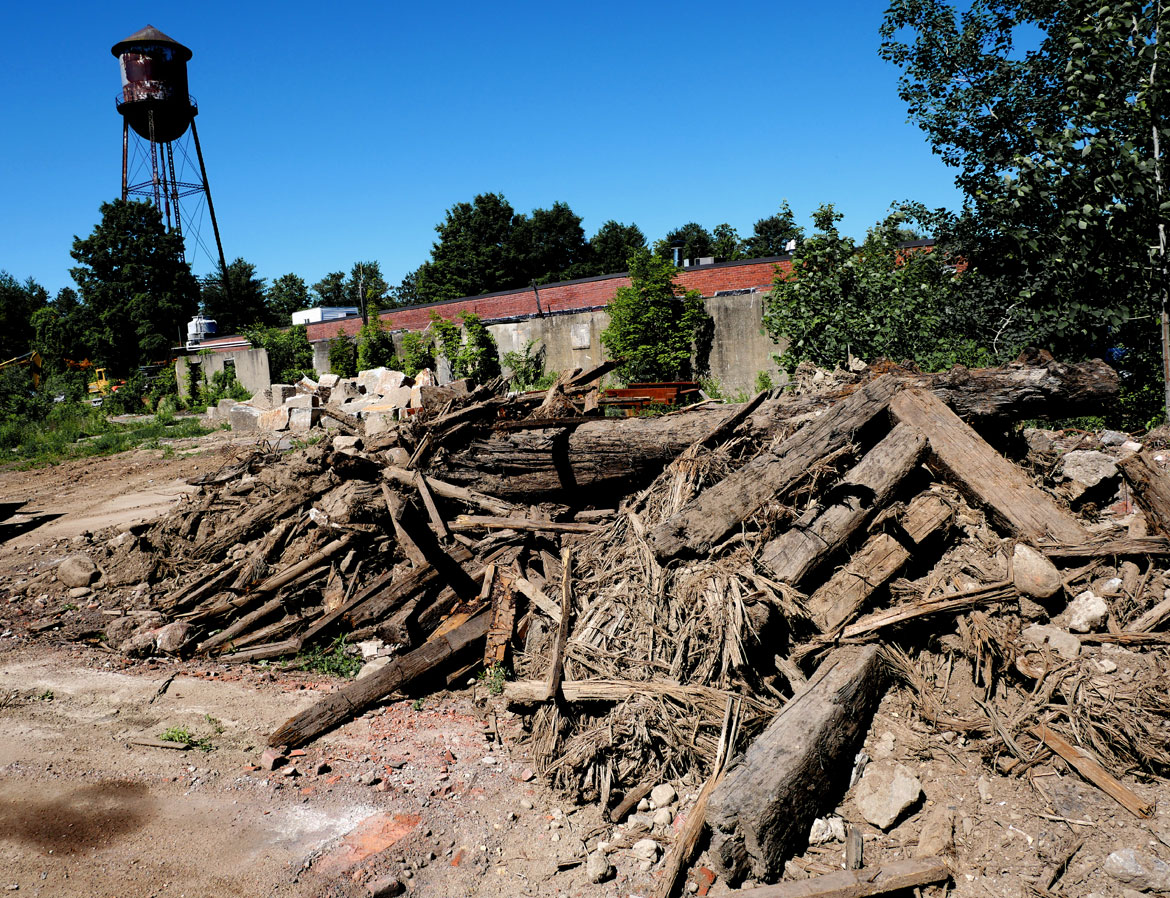
Pile of timbers removed from the Wheelwright Dam, June 9, 2026. (©Greg Cook photo)
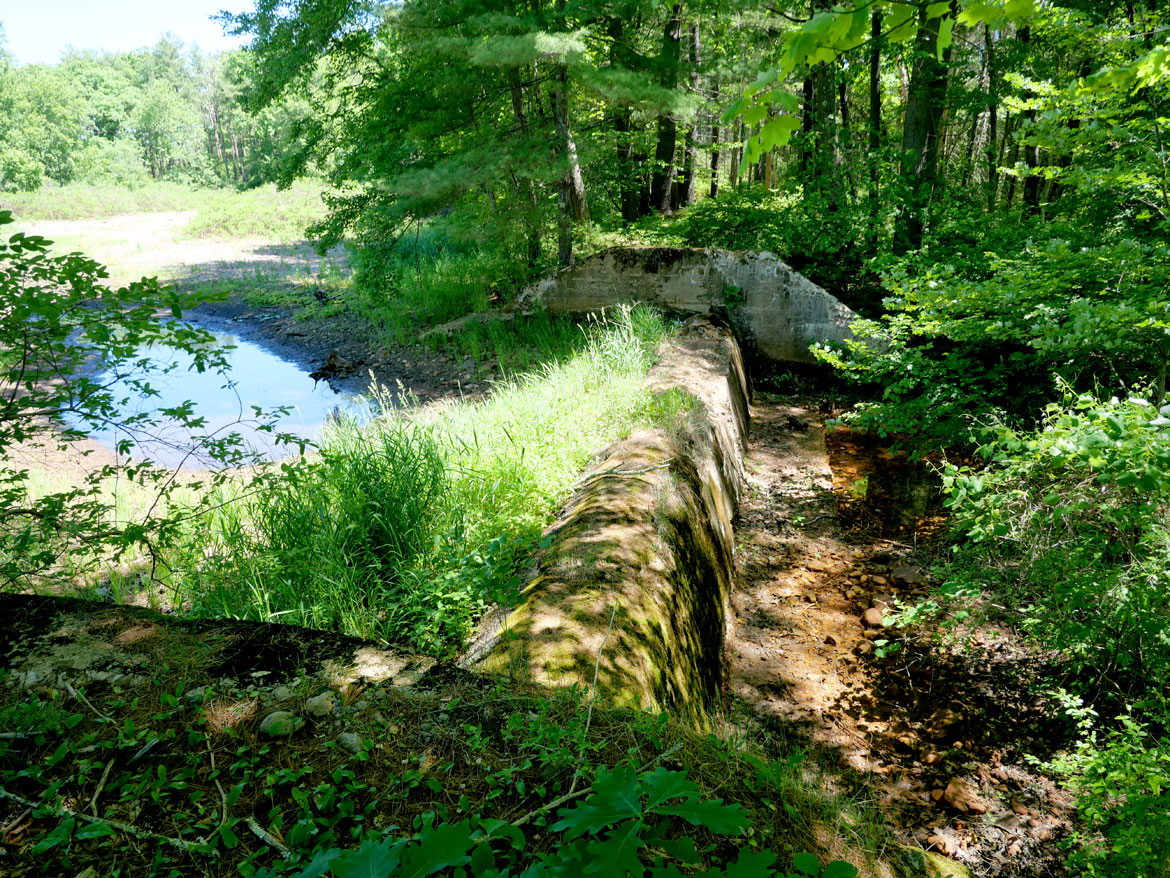
Abandoned section of the Wheelwright Dam, June 9, 2026. (©Greg Cook photo)
Bumpy airport runway that will be removed, and a stream underneath daylighted, across from Wheelwright Dam, June 9, 2026. (©Greg Cook photo)
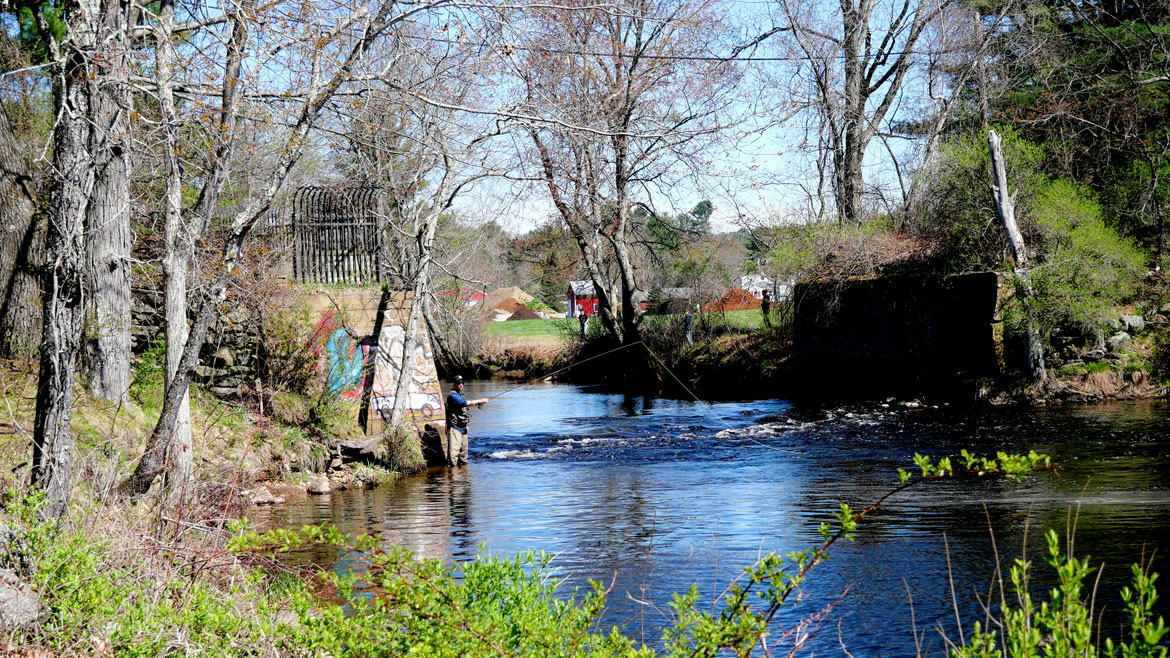
Downstream of the Wheelwright Dam, the Hardwick Pond Road bridge in Ware is a popular spot for fishing, April 26, 2026. (©Greg Cook photo)
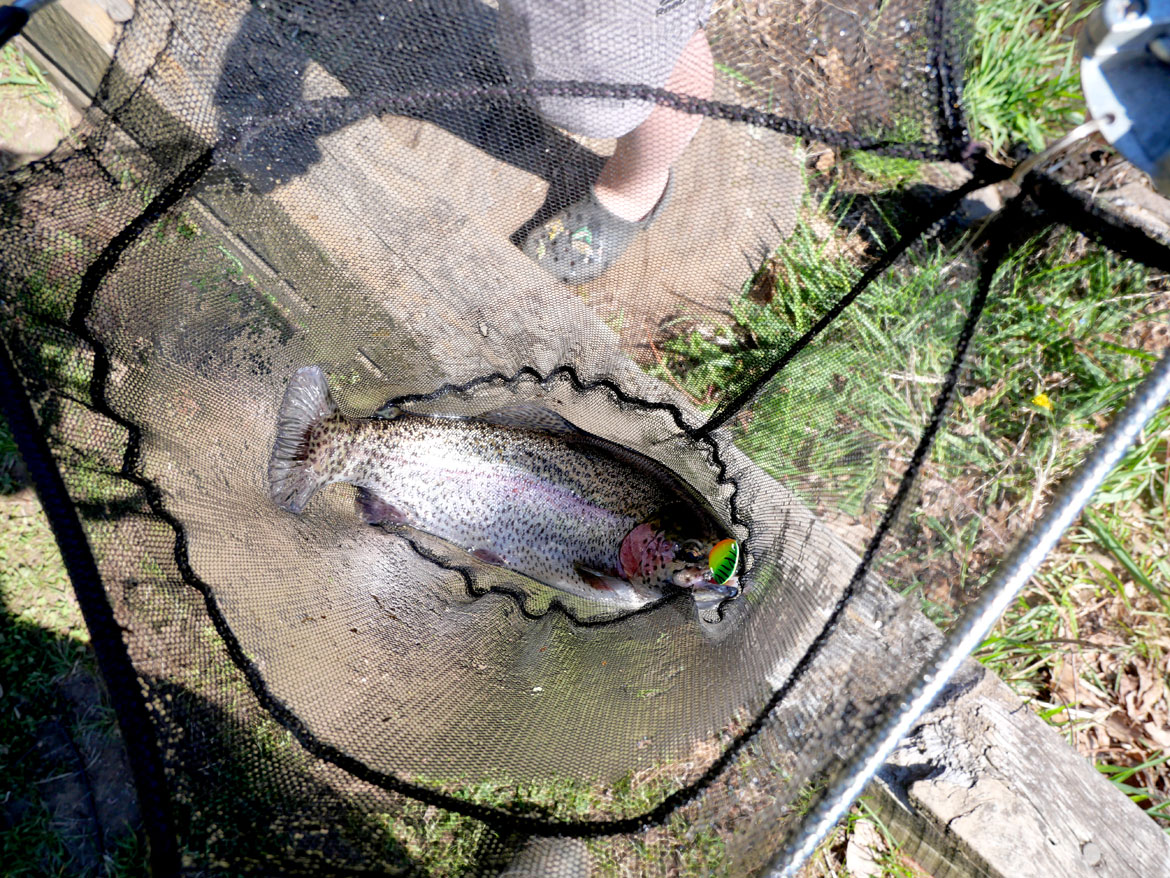
Downstream of Wheelwright Dam, boys caught a rainbow trout at Hardwick Pond Road bridge, Ware, April 26, 2026. (©Greg Cook photo)
Categories: Nature