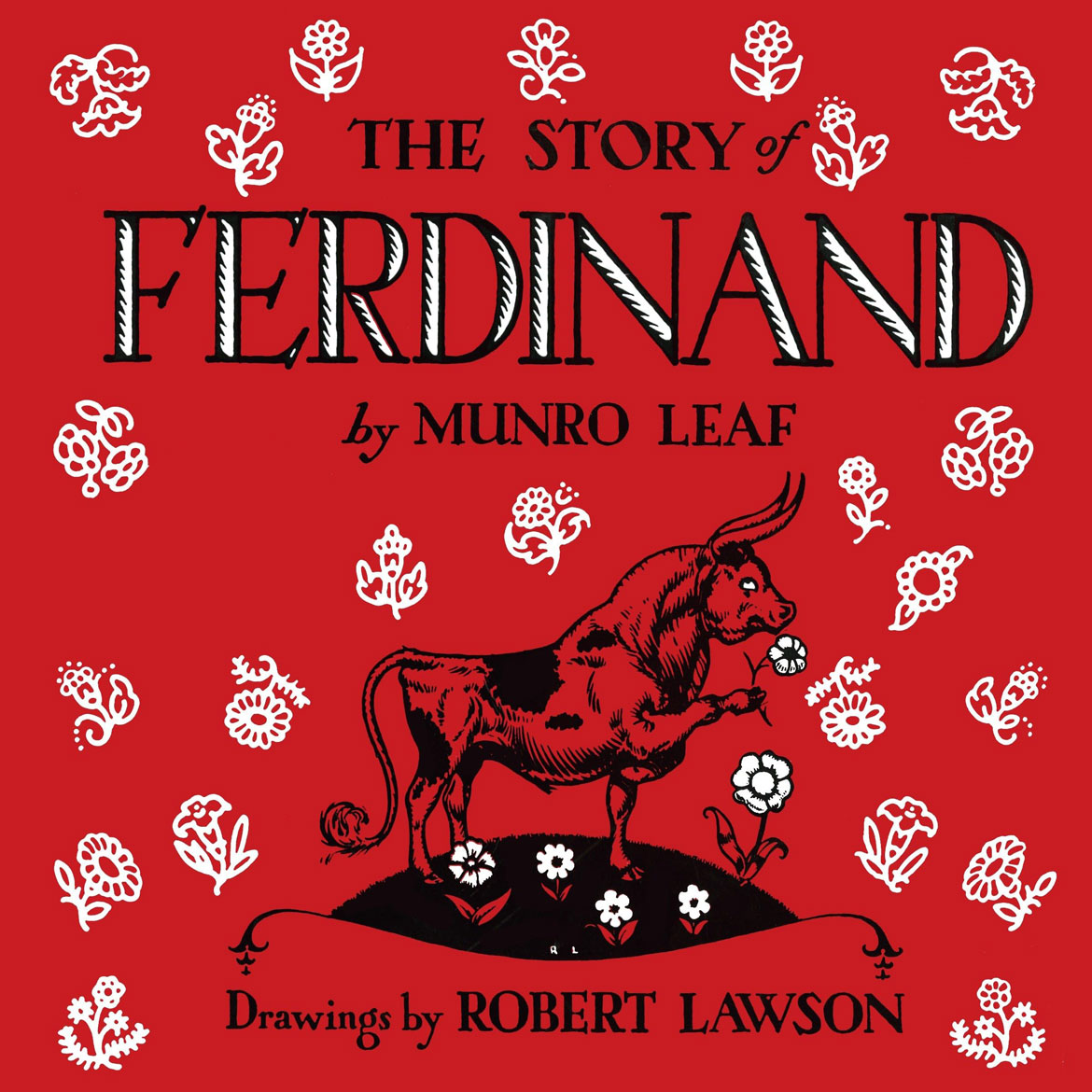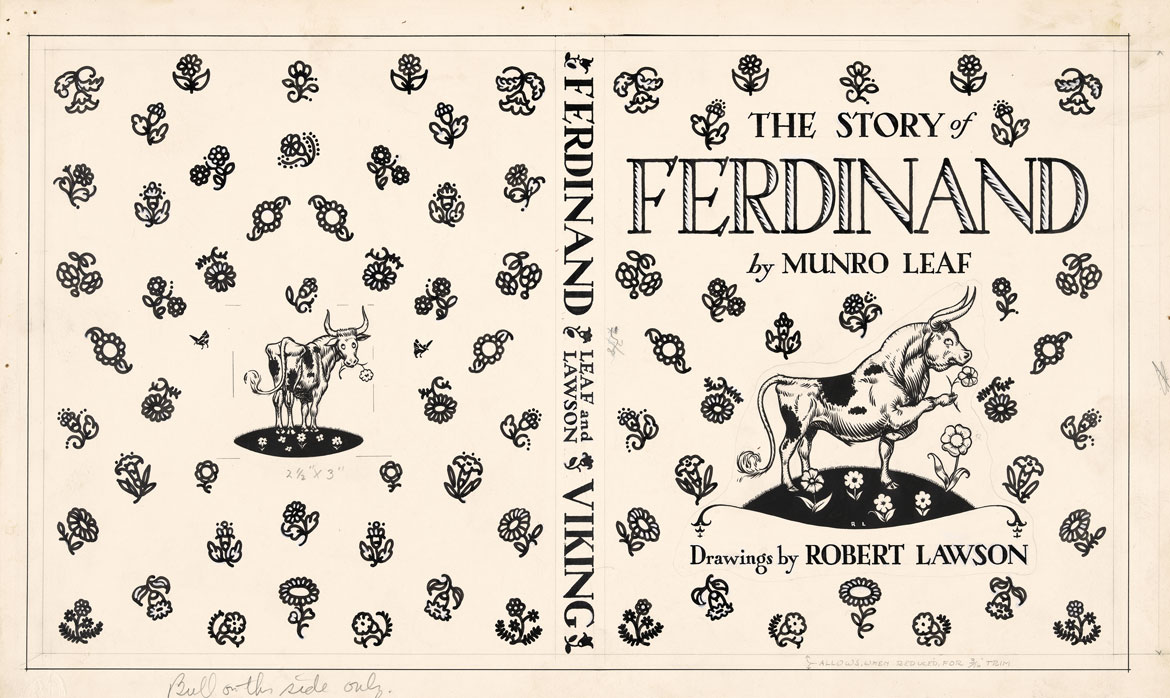
I first encountered the celebrated 1936 picture book “The Story of Ferdinand” not as a child, but as a young cartoonist trying to figure out how to draw with a brush dipped in ink. You couldn’t press down on the long-bristled brush the way you could on a pen or pencil, the way I was used to, you had to hold it floating above the page. But in exchange the brush could give you a wondrously flowing thick and thin and thick line.
So I was relearning how to draw, and I was looking for models of how to do it right. Looking in old books about illustration. Combing through library shelves. And found my way to “Ferdinand,” written by Munro Leaf and filled with dazzling pen, brush and ink drawings by Robert Lawson.
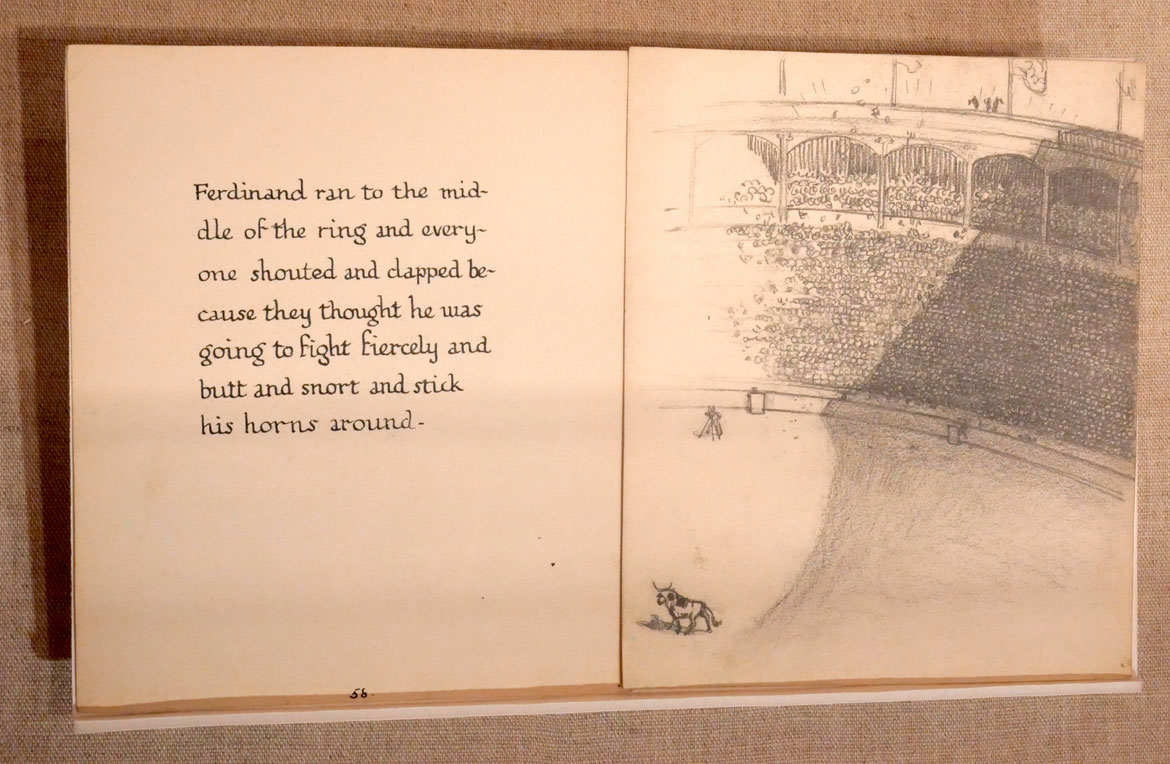
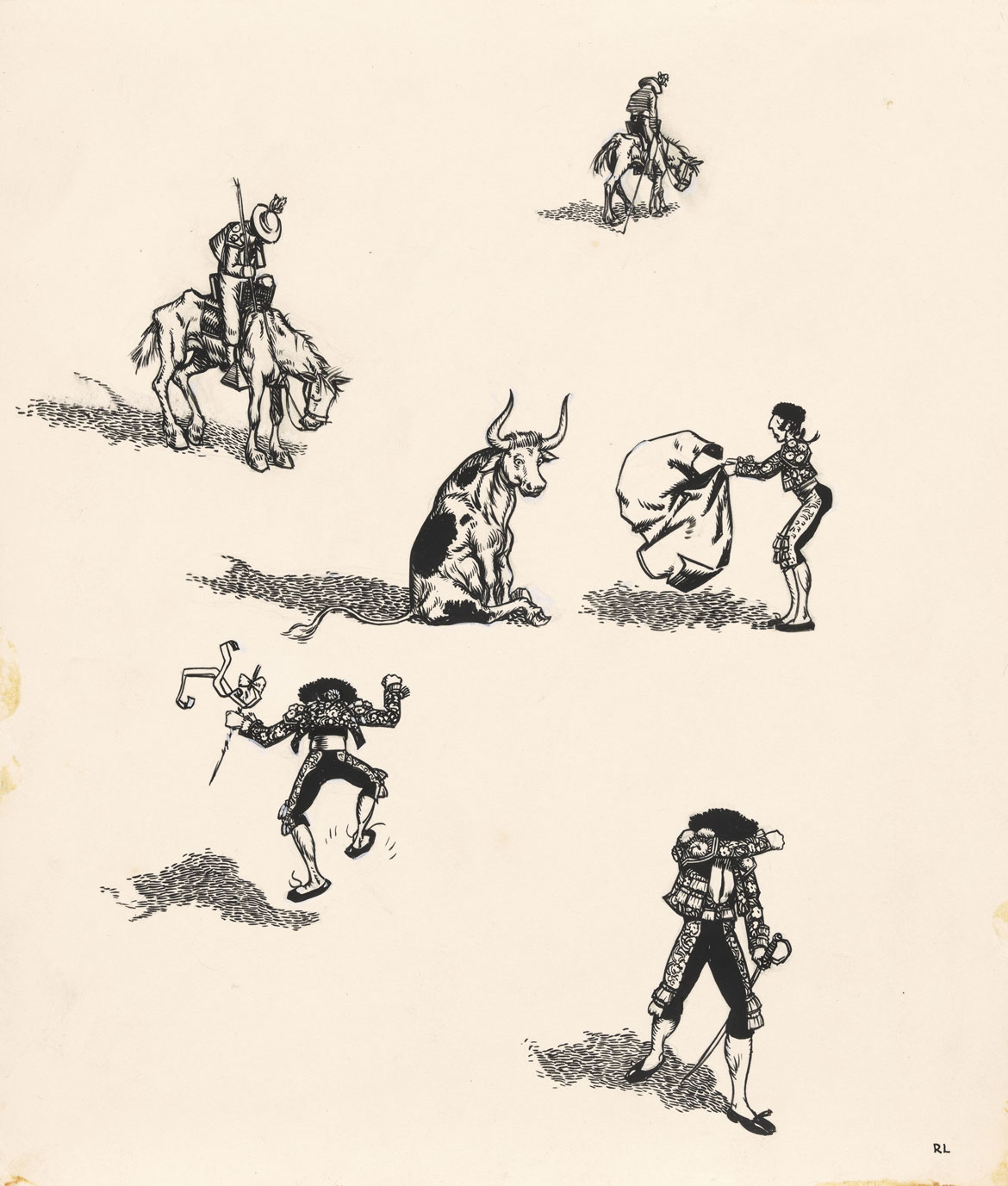
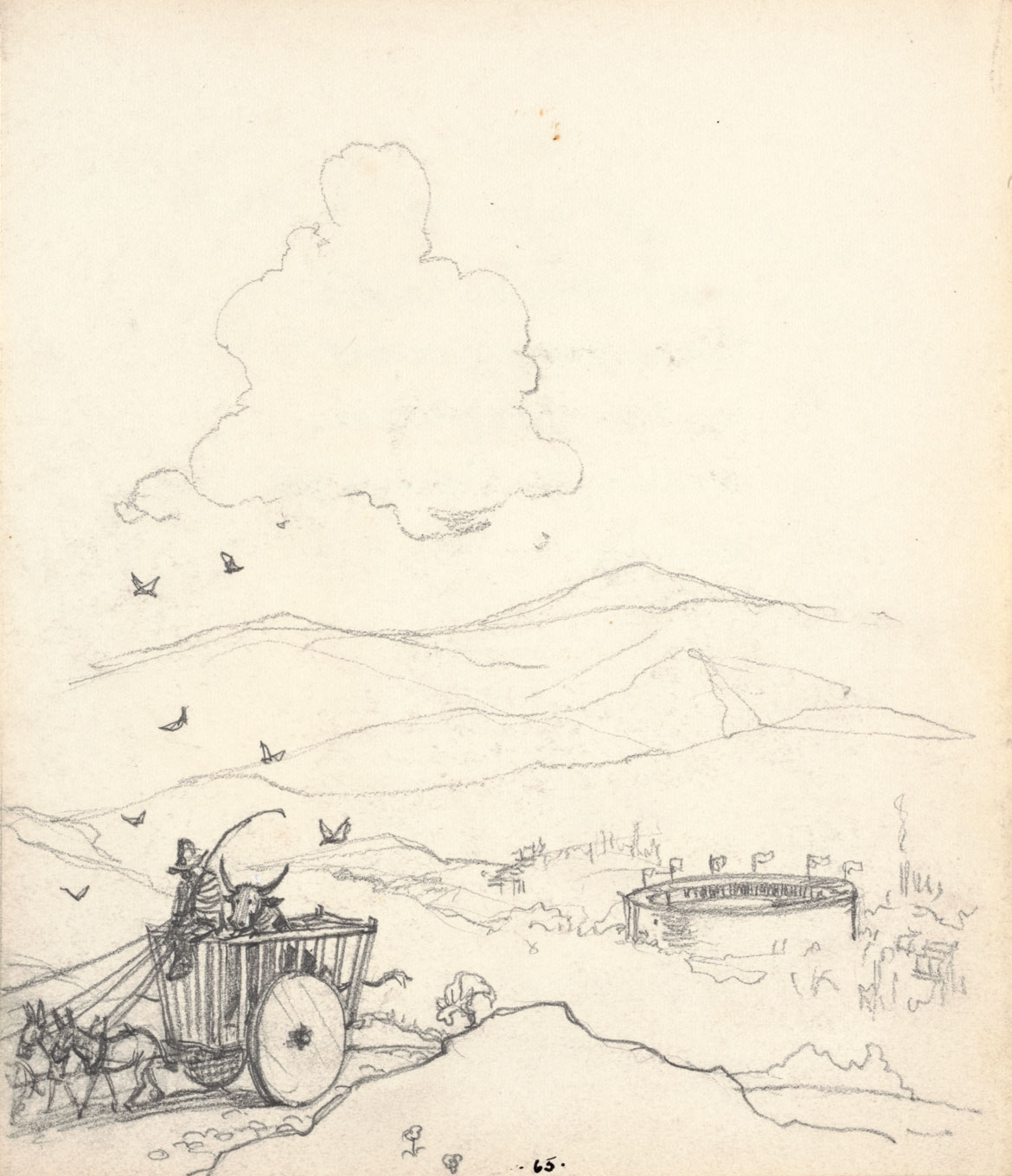
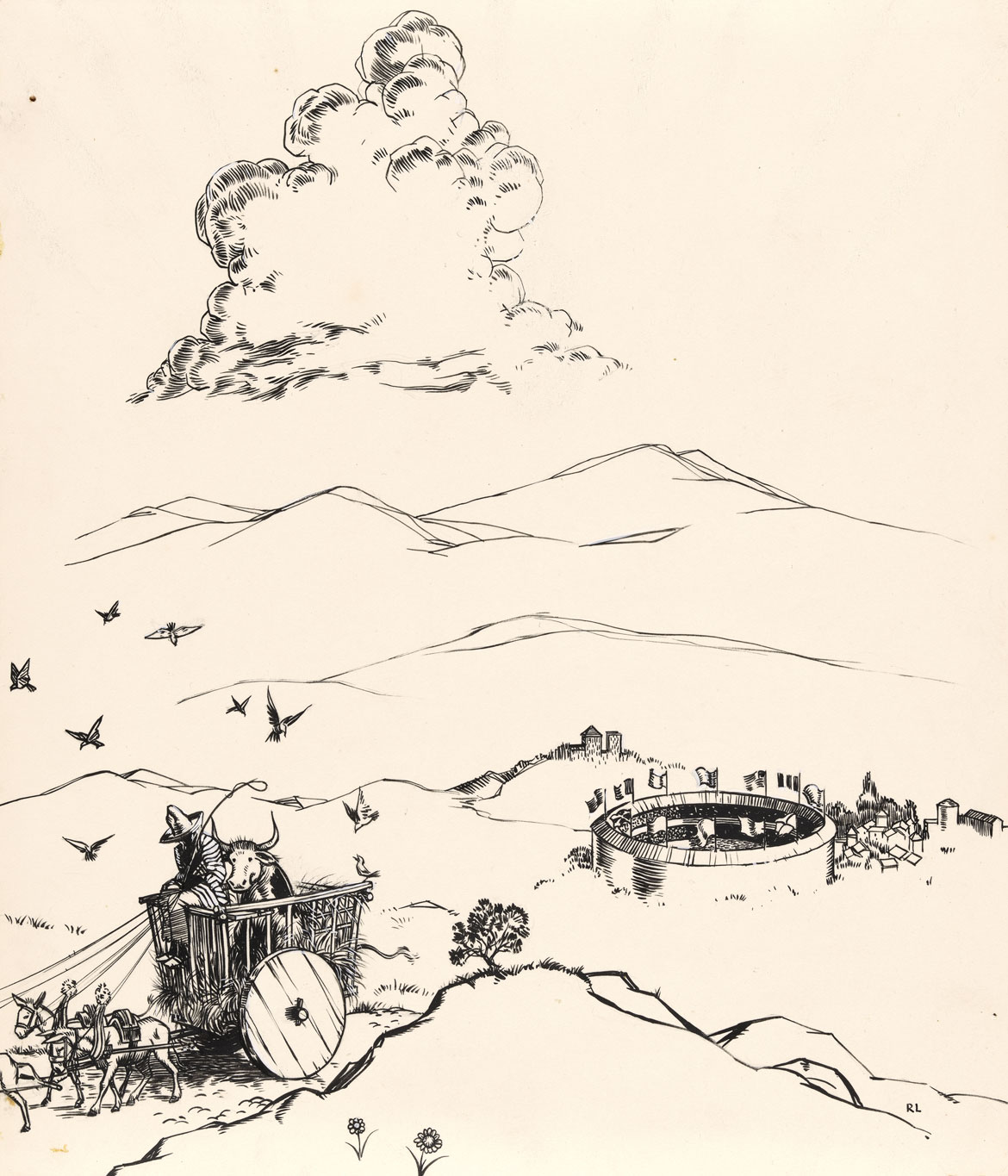
Coinciding with the 90th anniversary of the book’s publication this September, the Eric Carle Museum of Picture Book Art in Amherst recently debuted the exhibition “Under the Cork Tree: The Story of Ferdinand,” on view from May 9 to Nov. 8, 2026. So I drove out for the opening day of the one-room show, which miraculously includes three pages of Leaf’s hand-written manuscript, Lawson’s book dummy, and all 37 original ink drawings of the book.
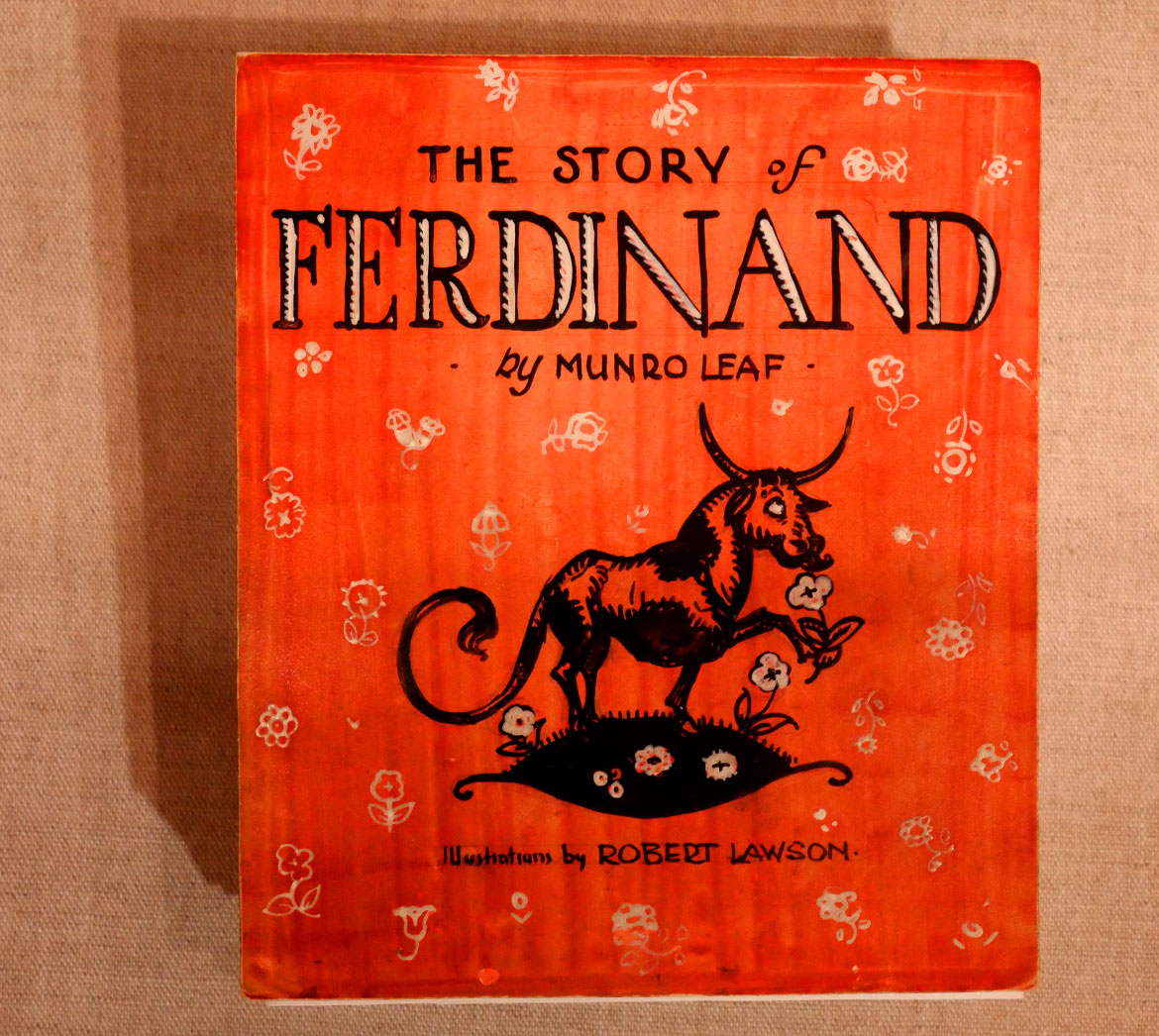
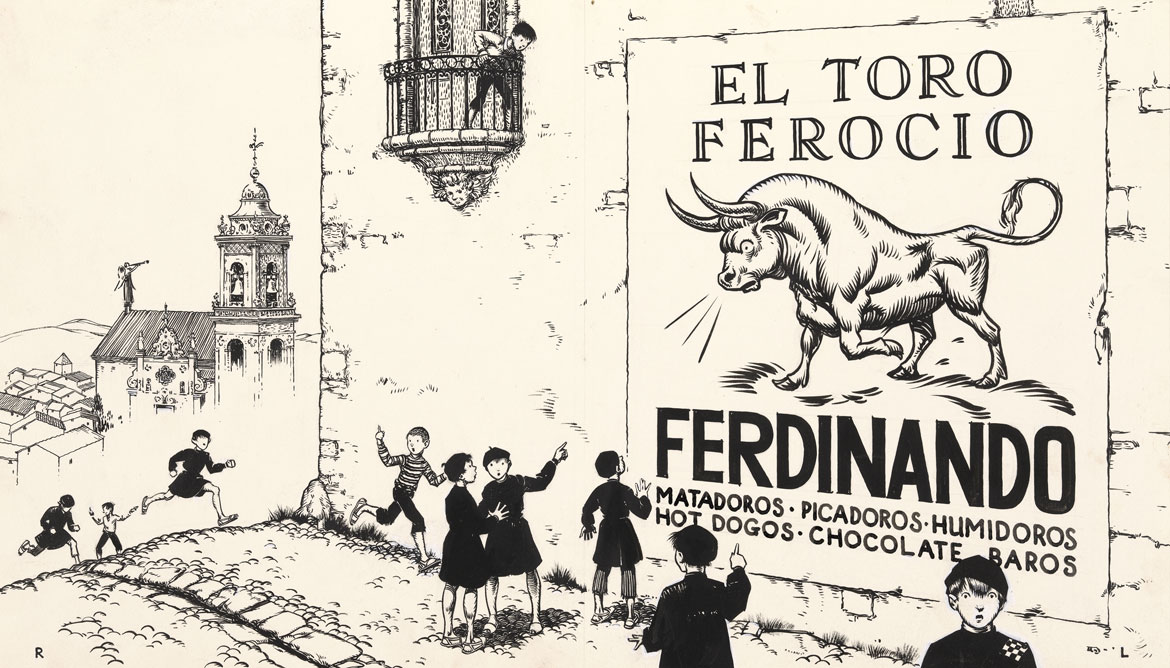
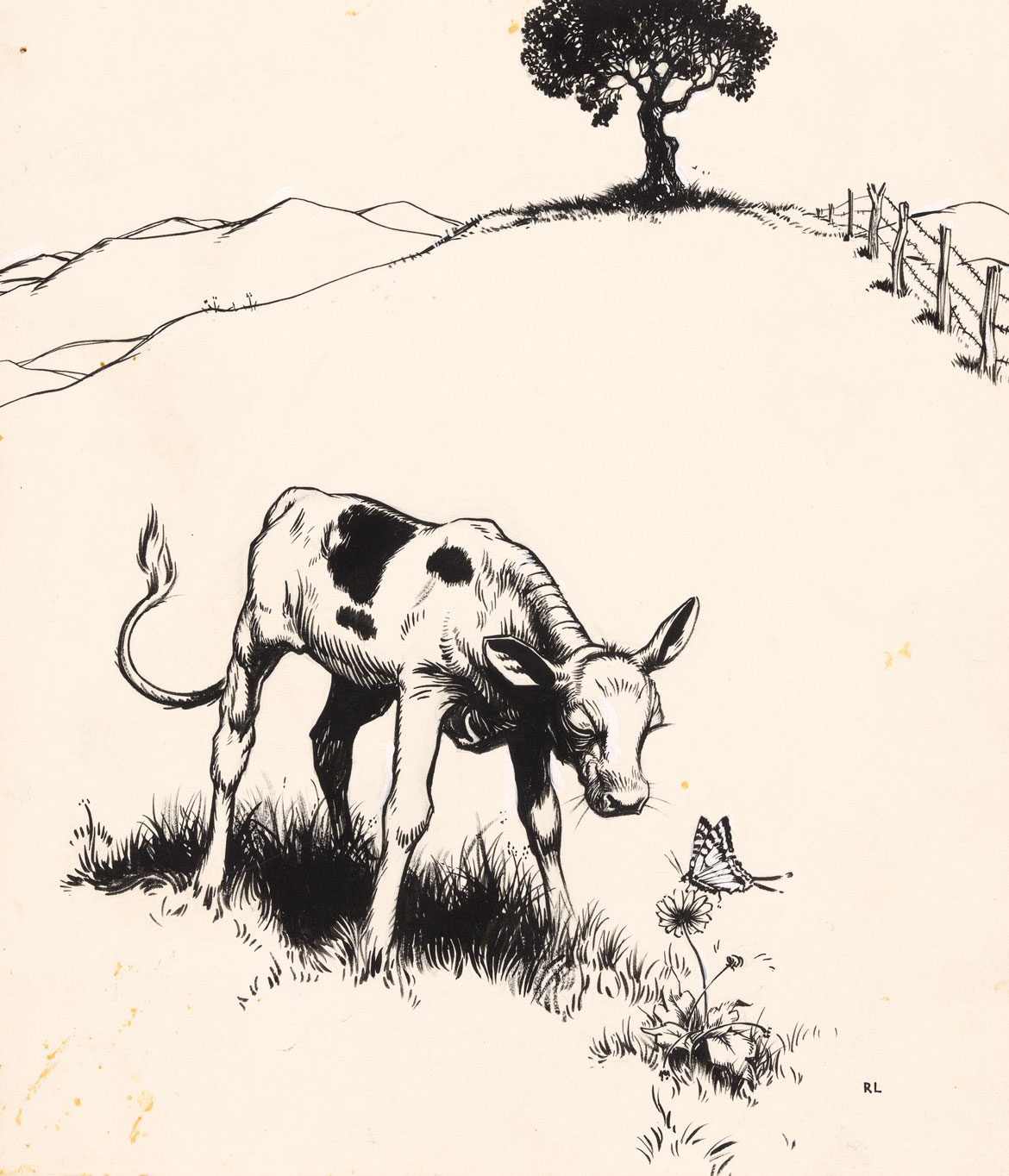
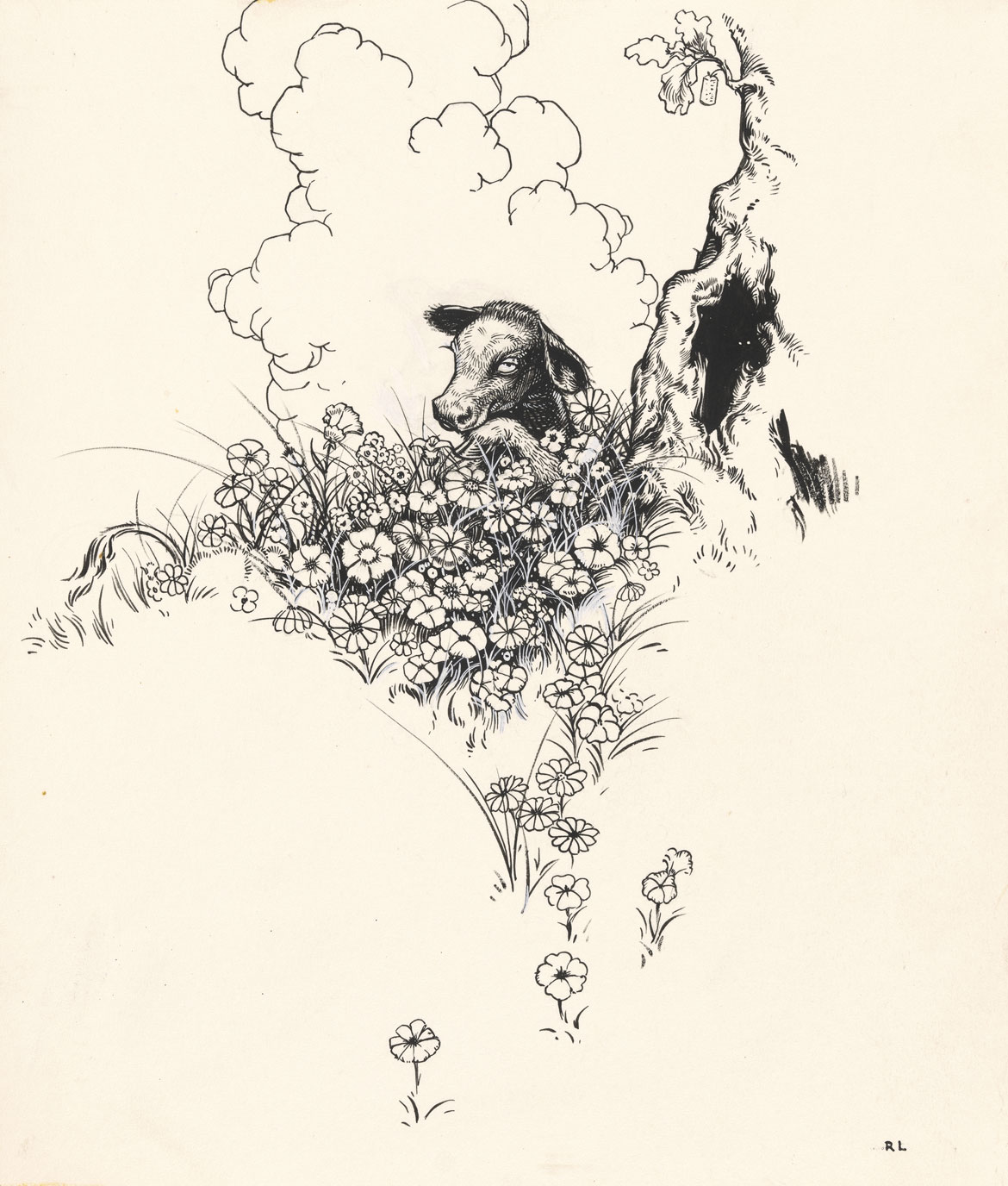
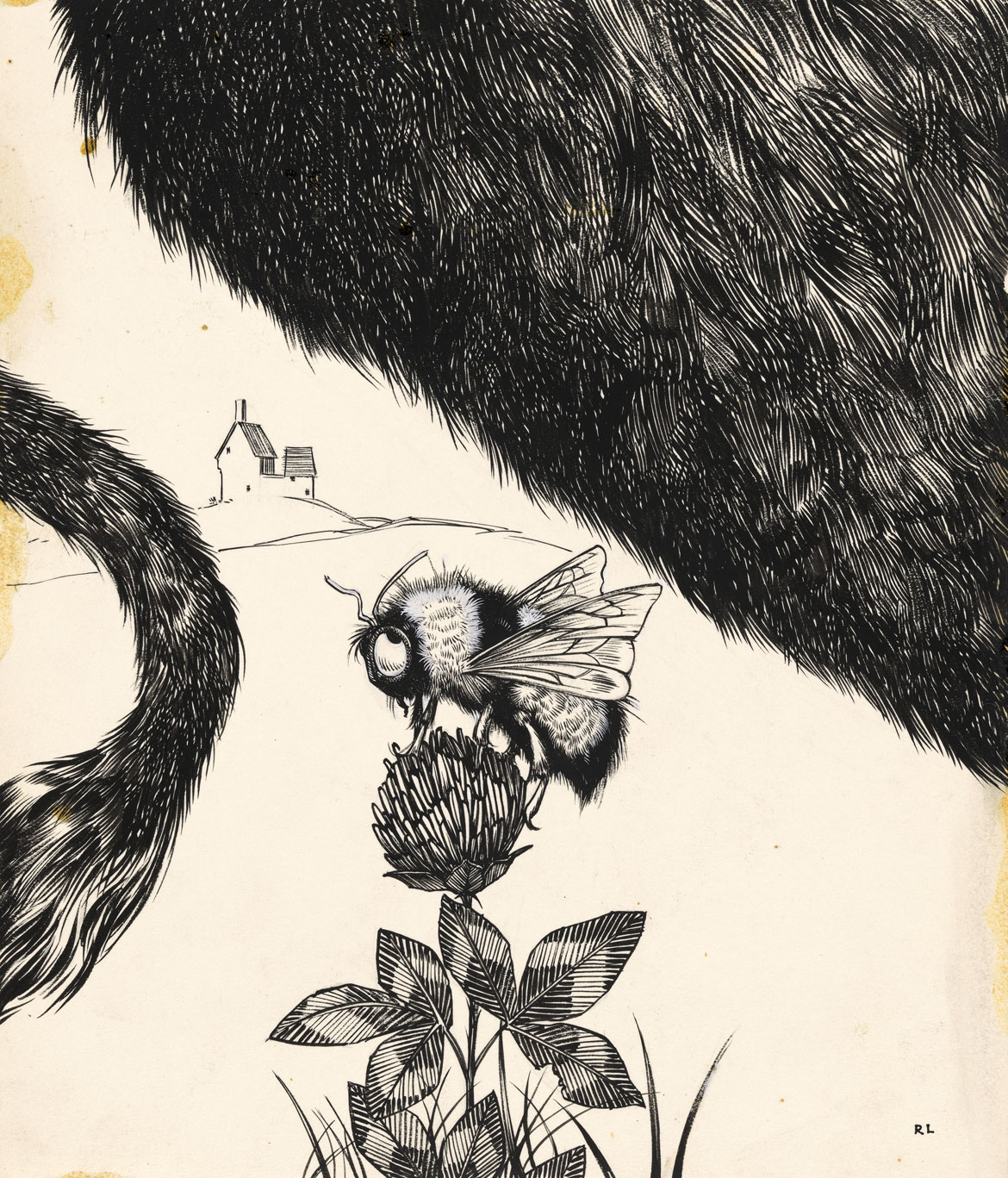
“Ferdinand” is “The Story” of a little bull, living on a hillside below a fairytale Spanish castle, who likes nothing better than to laze in the shade of a cork tree and smell the flowers. All the other bulls run around like nutcases and “butt their heads together” and dream of bull fighting in Madrid. One day, bull fight recruiters arrive. Ferdinand accidentally sits upon a bee, which promptly stings him, causing him to run around huffing and snorting and looking like “the largest and fiercest bull of all.” So Ferdinand winds up in a Madrid bull fight ring with swaggering banderilleros and picadors and a matador. Ferdinand runs out to the center … but just sits and smells “the flowers in all the lovely ladies’ hair.” So they cart him back home, where “He is very happy.”
“That is the essence of the book, I think,” says Jane Bayard Curley, who guest curated the exhibition, and was leading a tour at the Carle. “Ferdinand never leaves his happy place.”
Back in Nov. 15, 1936, Anne T. Eaton concluded in The New York Times Book Review: “The story of Ferdinand is highly diverting and text and pictures together make a hilarious bit of fun that appeals equally to young and old.”
What I didn’t understand when I first found “Ferdinand” was the historical context. Some saw the book as a controversial parable for peace. Curley notes, “The publishers didn’t even want to publish ‘Ferdinand’ in 1936. They wanted to wait until the world settled down.”
“Ferdinand” arrived in the early days of the civil war in Spain, which would, with Nazi help, land the insurgent fascist General Francisco Franco in control of Spain until his death in 1975. The New York Times front page on the day of the book review reported “insurgent” planes killing 53 people in a bombing of central Madrid; meanwhile the German “Reich joins Japan in anti-Soviet Pact … Italian adherence is seen.”
“Last year ‘Ferdinand took the reading world by storm,” Eaton offered as update in the Nov. 14, 1937, New York Times. “Adults carried it about with them to read to their friends; 7 and 8 year olds who had heard it read aloud once, begged to hear it again; 16-year-olds insisted on sharing it with their schoolmates and their teachers. Something of a phenomenon because of the tremendous range in age among his admirers, Ferdinand, this shockingly unmartial bull, who liked to ‘sit just quietly and smell the flowers,’ is still a best seller and the universality of his appeal, as set forth in text and drawings, indicates that his popularity will be a long one.”
This perhaps is what a nation desperate to stay out of a looming world war looks like?
A Superior Soul
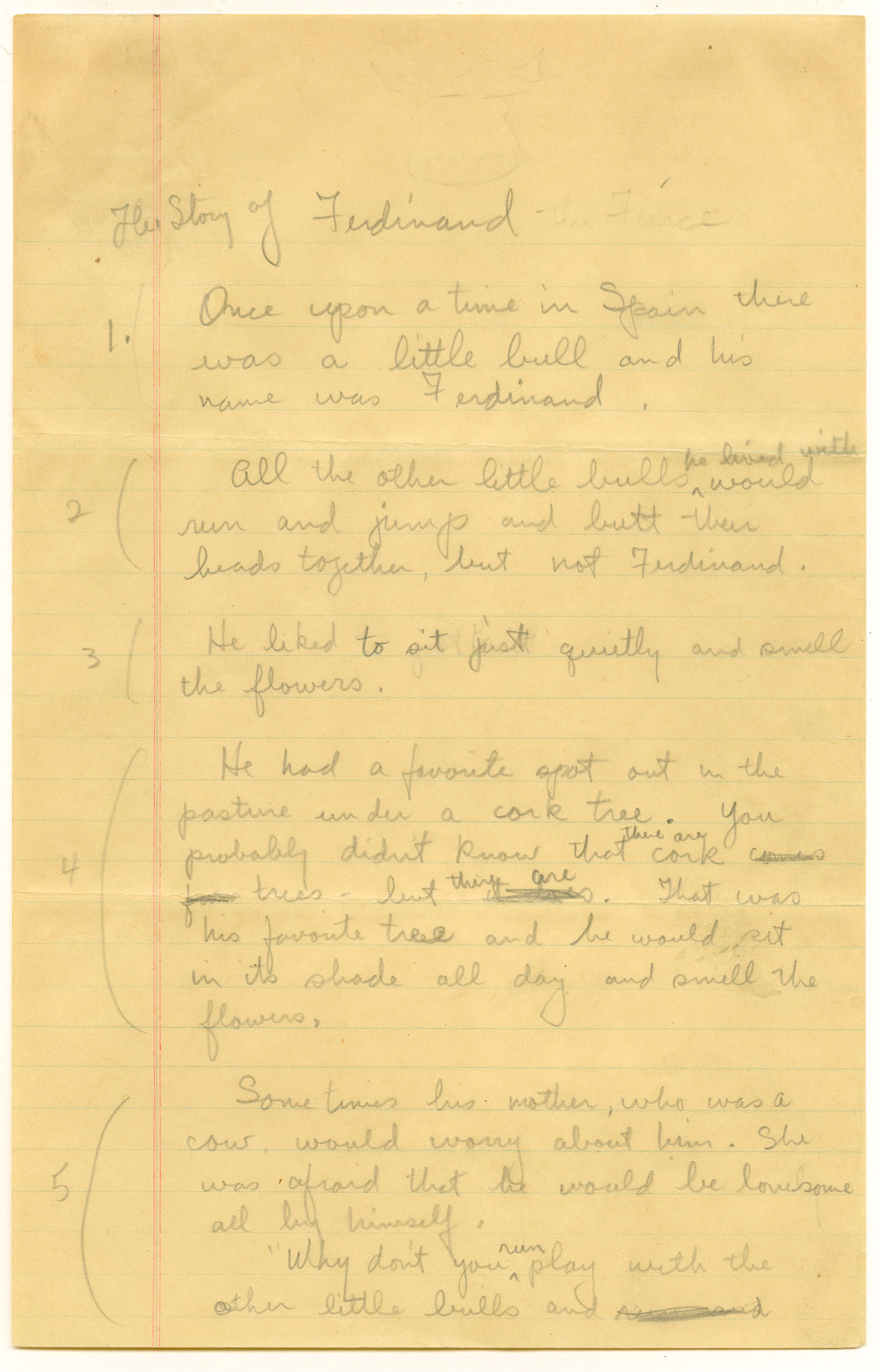
Munro Leaf always said he wrote out “Ferdinand” on a yellow legal pad in 40 minutes one rainy October afternoon in 1935. In the Carle exhibition, you can see how he thought better of his original title and erased the final two words from his penciled manuscript: “Ferdinand the Fierce.”
“I wrote ‘Ferdinand’ for my friend, Robert Lawson, who had been illustrating children’s books for years, in the hope it would amuse him enough to create pictures that would provide a quiet laugh,” Leaf said at The New York Times National Book Fair on Nov. 17, 1937. “If the book fails to make you chuckle there is no excuse for its existence, so far as I am concerned.”
After lunching with Leaf, B.R. Crisler reported in the Oct. 23, 1938, New York Times that the author “intend the book as a vehicle to show the public what his friend, Robert Lawson, could do with a real illustrating assignment.”
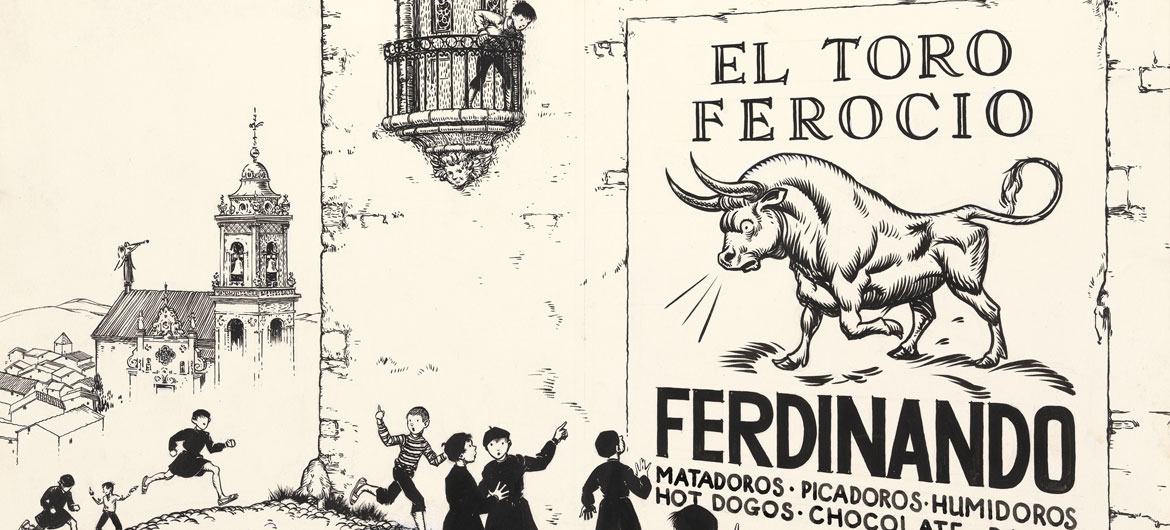
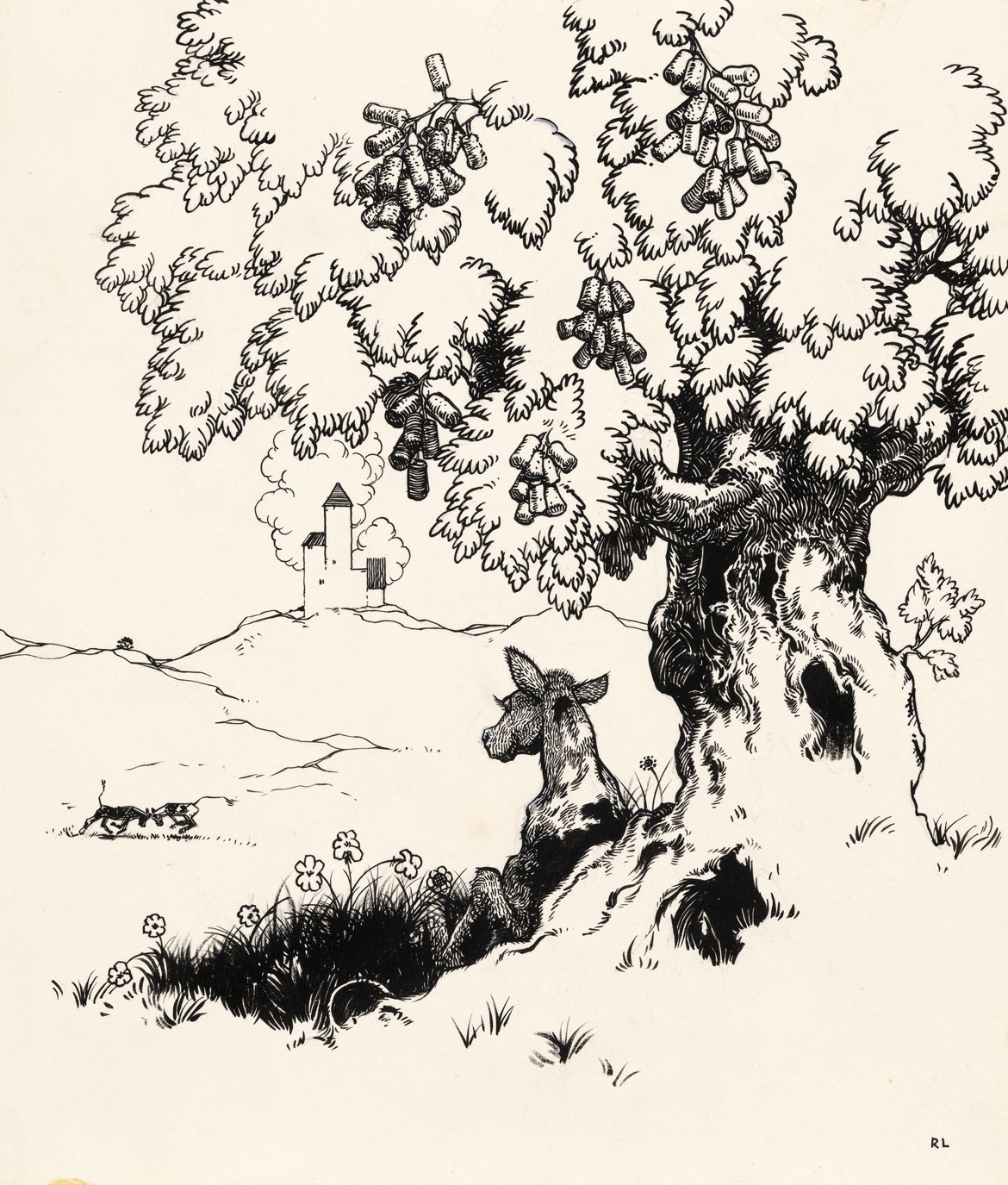
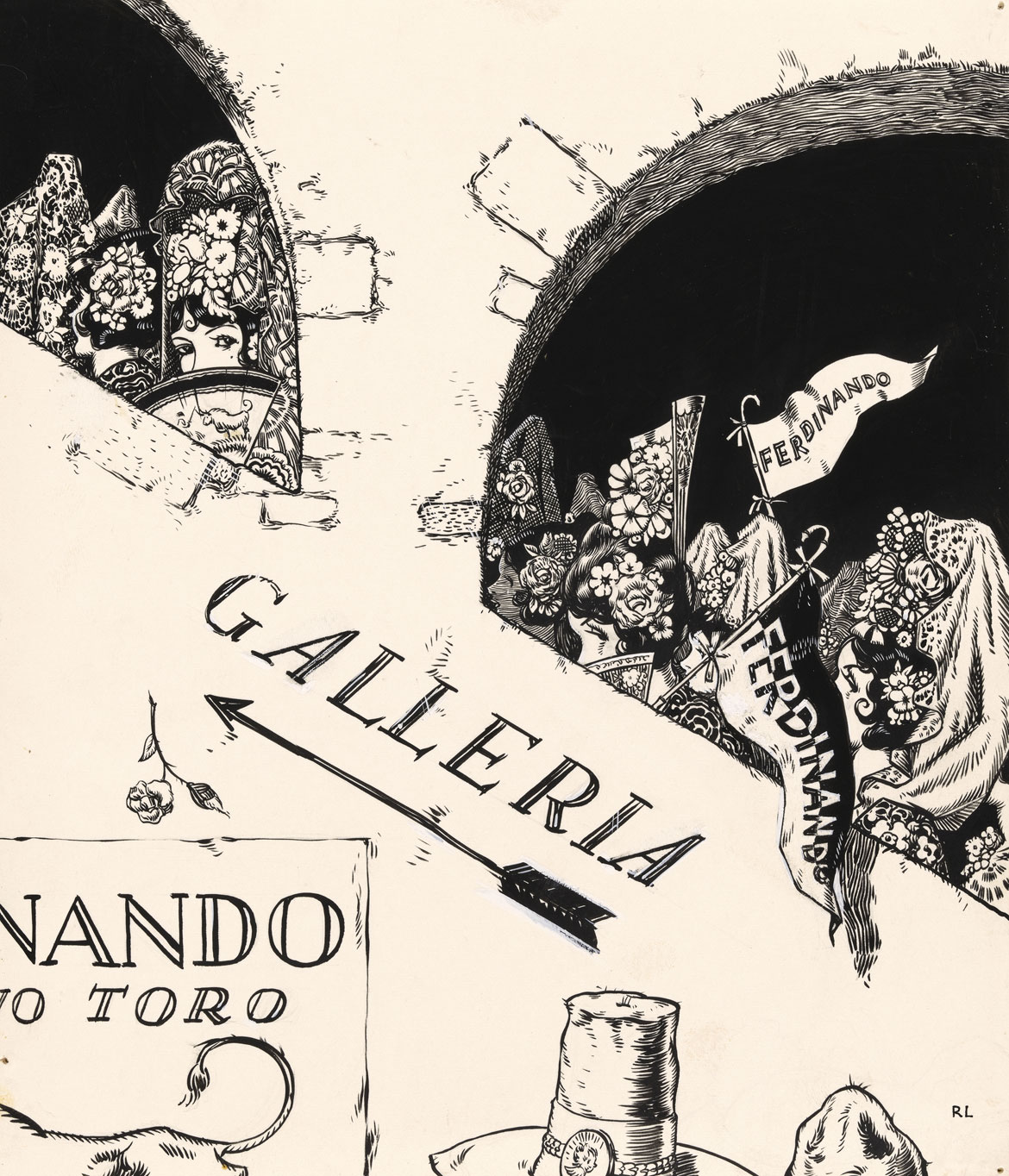
Lawson had sold his first illustration to Harper’s magazine in 1914. He “started out drawing fairies and elves and gnomes for the first 15 years of his career,” Curley says. In “Ferdinand,” Lawson draws with sturdy, well-observed realism, leavened by a bit of caricature. He laced “Ferdinand” with visual gags, Curley notes, like, “The corks on the tree grow in bunches like grapes. That’s not how corks grow.” Only one illustration differs from the dummy to the final book, Curley says. A page depicting “lovely ladies” with flowers in their hair entering the bull fighting arena was originally “a bevy of girls like a bouquet. One is holding a hot dog. The other is holding a banana. And they’re making these lewd gestures. Lawson tried to get one past [editor] May Massee.”
Ferdinand’s lack of fight attracted criticism. “There were some politically motivated worrywarts who said this is a political book,” Curley says. “Ferdinand is a communist. Ferdinand is a socialist. Ferdinand is a fascist. Ferdinand is gay.”
Neither Leaf (1905–1976), who was born in Baltimore and grew up in Washington, D.C., nor Lawson (1892–1957), born in New York City and raised in Montclair, New Jersey, had been to Spain. Lawson dug through magazine articles about Spain at the New York Public Library for visual inspiration, Curley says.
“They had no political axe to grind whatever,” Curley insists.
But I can’t help suspecting that Ferdinand’s creators did intend to create a fable of peace for a world on the brink of war, and that Leaf’s claim that the book was just jokes was a cover story to sidestep the controversy.
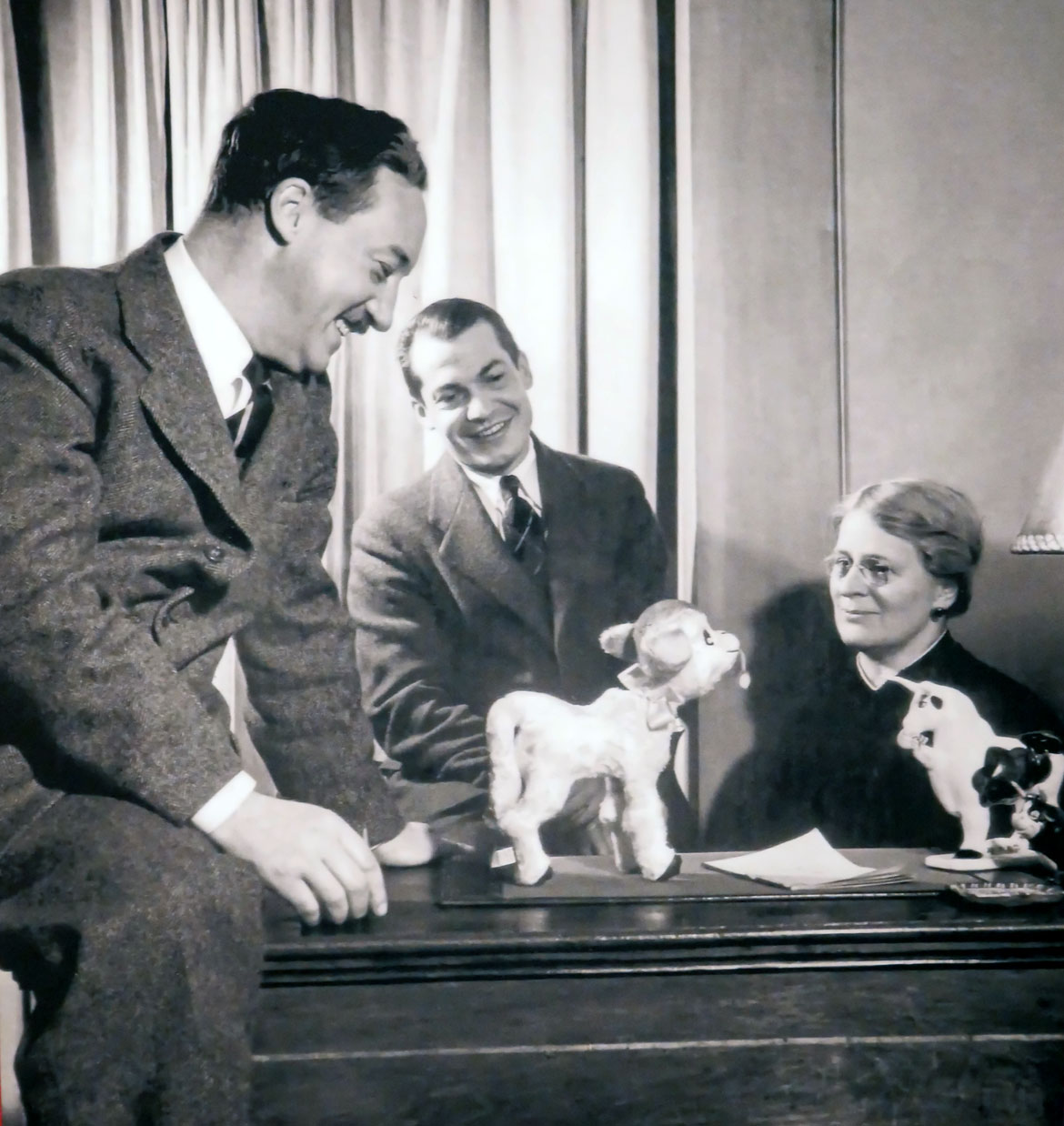
“Letters began to pour into the publisher from individuals and societies saying that here was something alarming, being spread under the cloak of juvenile literature. I was deliberately corrupting children of an impressionable age,” Leaf said at The New York Times National Book Fair in 1937. “Here in ‘Ferdinand’ people saw the laissez-faire theory of economics seconded by the bourgeois ideology of utility. Letters complained that ‘Ferdinand’ was Red propaganda, others said it was Fascist propaganda, while a number protested it was subversive pacifism. On the other hand, one woman’s club resolved that it was an unworthy satire of the peace movement.”
“Mr. Leaf and Mr. Lawson shouldn’t feel discouraged,” The New York Times reassured in an unsigned editorial on Nov. 20, 1937. “There are those who love Ferdinand for his own sake and don’t care whether he is Nazi or Communist, so long as he is true to himself.” In retrospect, not exactly a ringing endorsement.
Crisler wrote, “Lonely maiden ladies and bachelors seemed to be just as fond of the story as children, Mr. Leaf says; he thinks it’s because Ferdinand is a non-conformist, and people identify themselves with his character.”
“Ferdinand” models an alternative to the usual idea that macho violence is a foundation of manliness. Which prompted some to see Ferdinand as gay. “Leaf was really more upset by that,” Curley says. “He made a point of saying he boxed at Harvard and played lacrosse at the University of Maryland.”
Leaf, Crisler wrote, “is indignant when wits suggest that Ferdinand is a sissy because he loves to sit under a cork tree and smell the flowers. He says Ferdinand is just a superior soul, a philosopher, and that his refusal to fight in the bull ring in Madrid, when there as a lovely bouquet to smell, was a proof of good taste and strength of character as well.”
An Icon
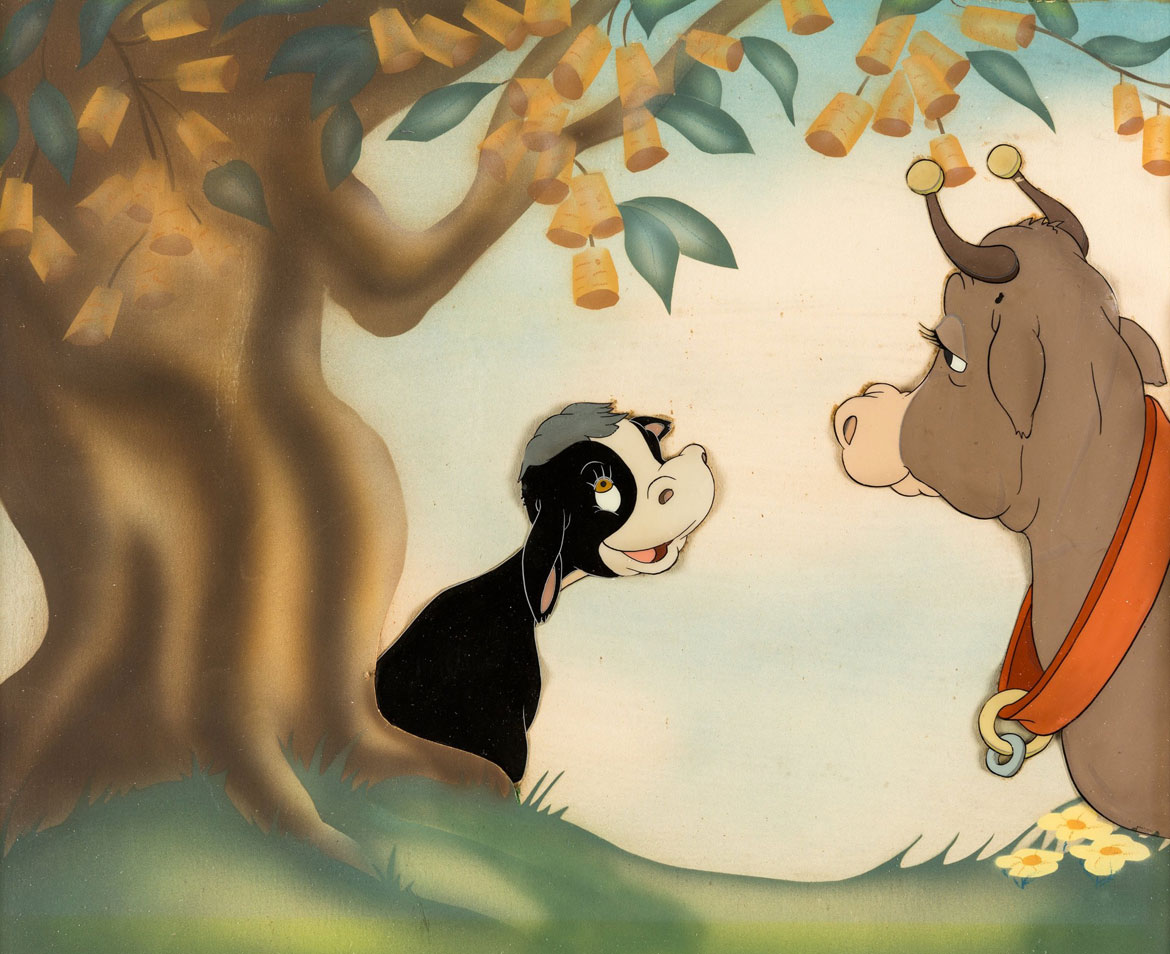
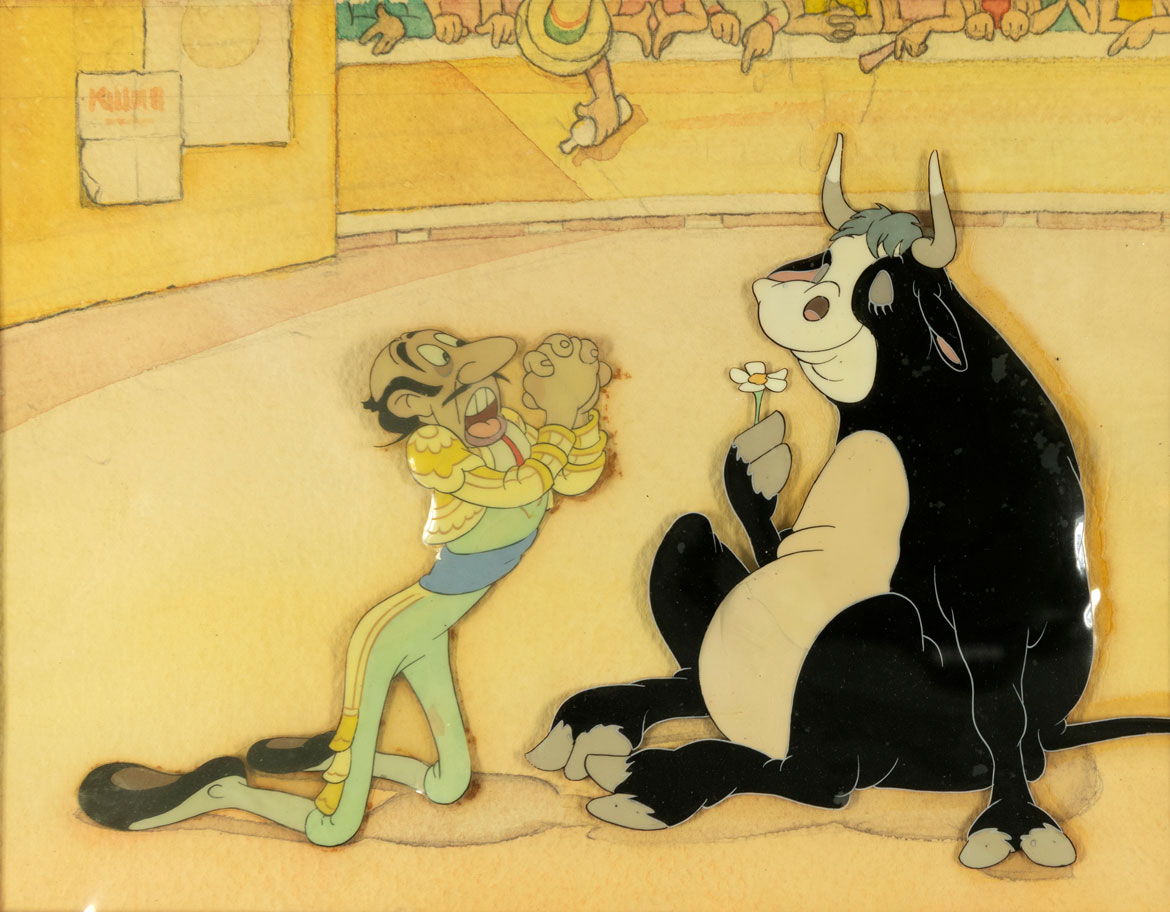
Walt Disney studios optioned “Ferdinand” to turn the book into an animated short film, The New York Times reported in July 1937. Leaf liked to ruefully quip that he earned “$800, divided three ways between me, Robert Lawson and the publisher.”
Walt Disney, who voiced Ferdinand’s mother, is caricatured in the cartoon as the matador and Disney animators appear as his assistants. The film took home the 1938 Academy Award for Best Short Subject (Cartoon).
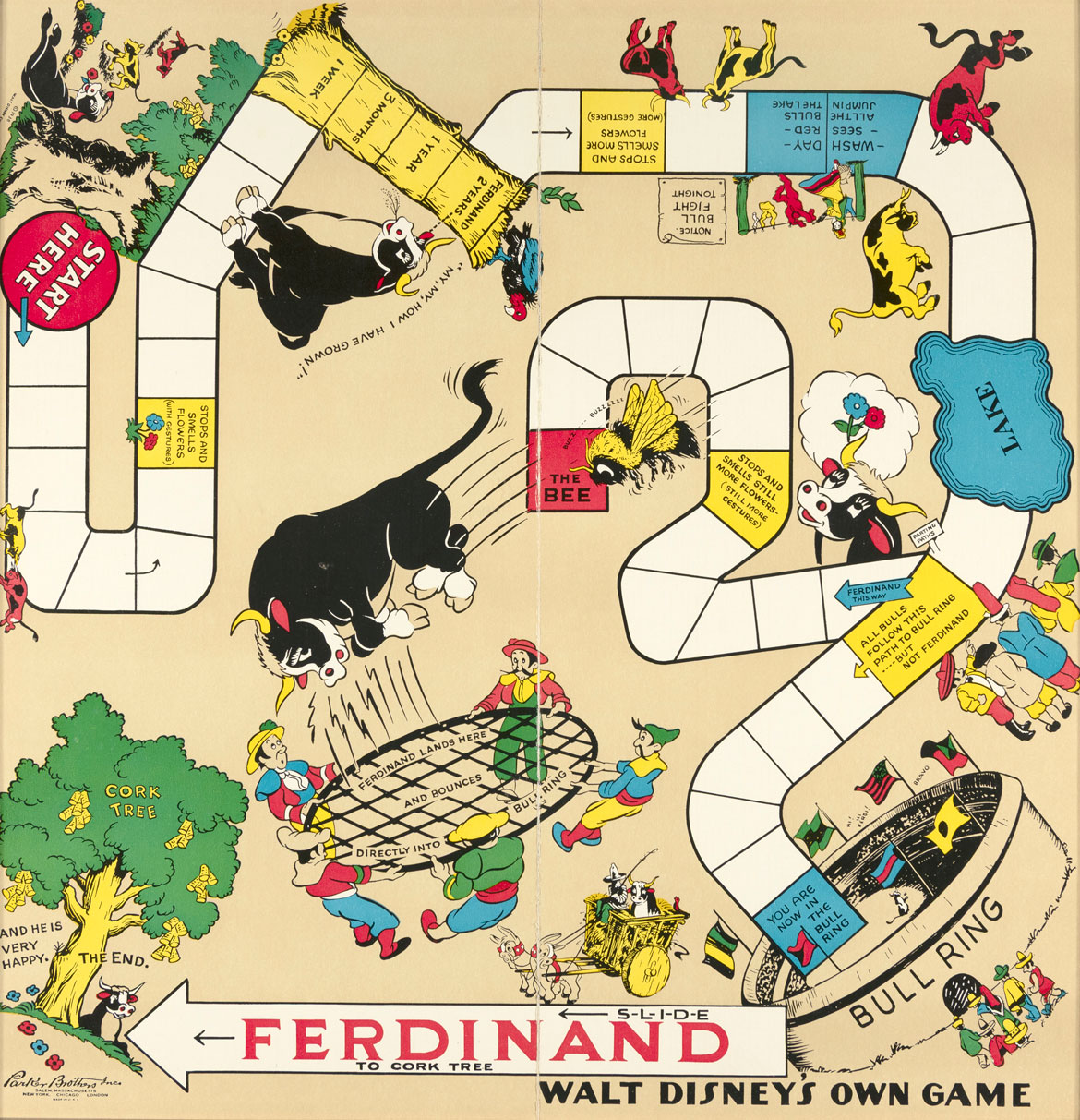
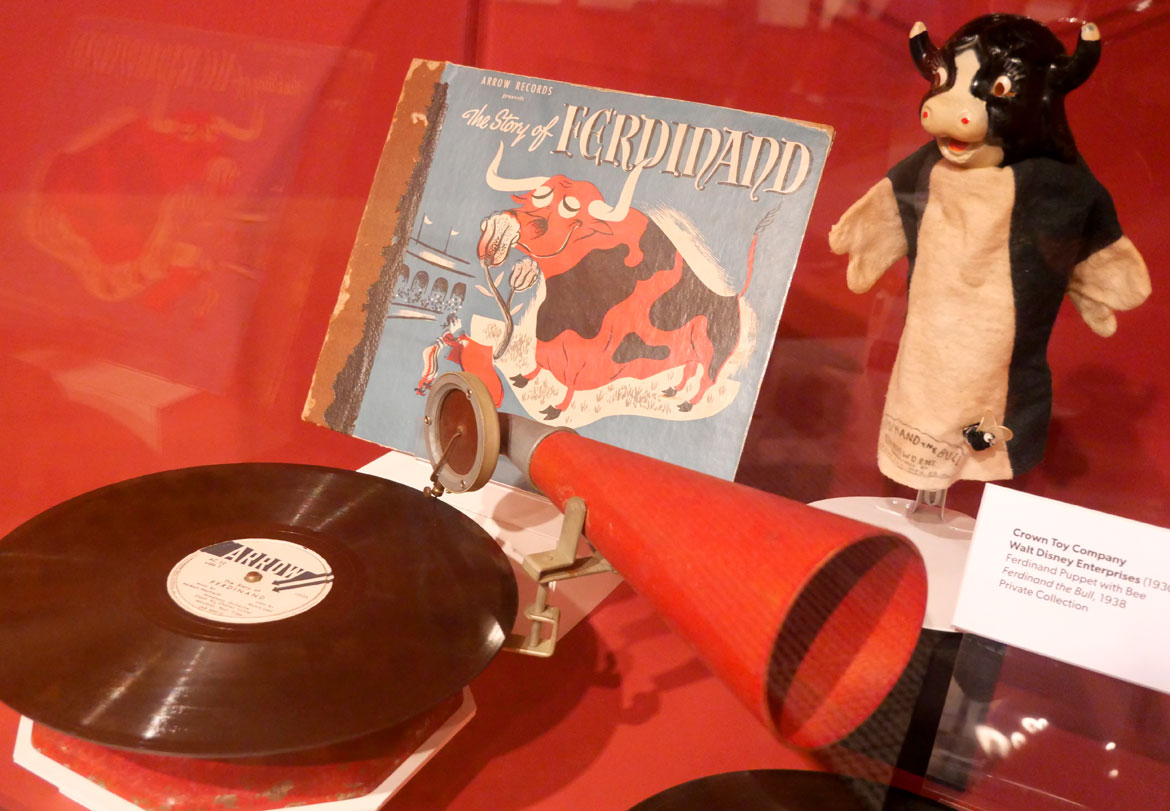
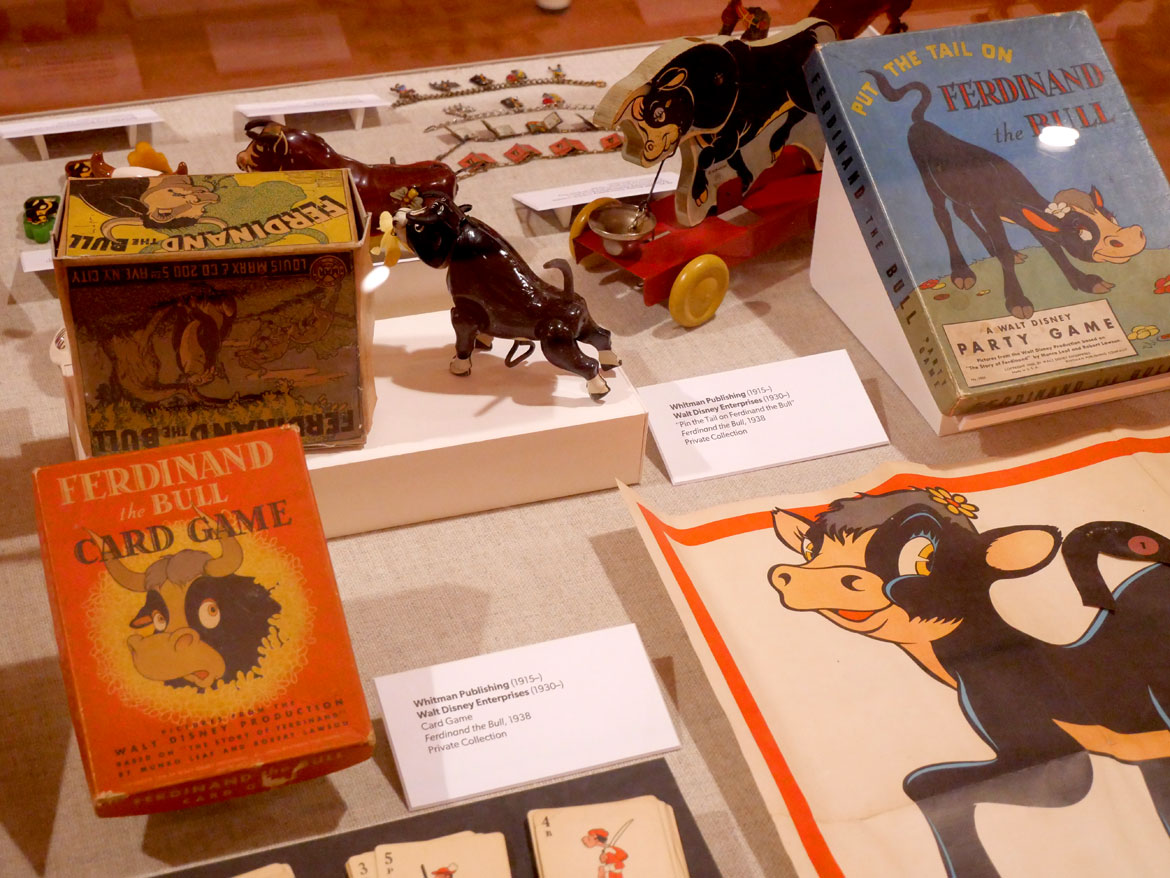
The Carle exhibit offers evidence of what followed: Ferdinand tin toys, games, pencil sharpeners, charm bracelets, sewing patterns, soap, and puppets, all produced under the auspices of Disney licensing chief Kay Kamen. Ferdinand also appeared as a 32-foot-tall balloon in the 1938 Thanksgiving Day Parade in New York.
“Disney merchandized Ferdinand. That lifted Ferdinand out of the literary world into the mercantile world and into American culture,” Curley says. “He became an icon.”
During World War II, Leaf authored a military manual about malaria, illustrated by Dr. Seuss, that was widely distributed among Allied troops in the Pacific theater. He later wrote a pamphlet promoting the Marshall Plan for the United States to provide economic assistance to restore postwar Europe.
“Leaf was a negotiator and a peacemaker. His [Army] career in World War II was to run around and mediate between warring factions,” Curley says. She recalled a story of Leaf being sent to a Michigan tank factory when productivity slacked. He found that WACs (Women’s Auxiliary Army Corps) and WAVES (Women Accepted for Volunteer Emergency Service) working there were prohibited from wearing makeup, while civilian women could and so “got all the men.” Curley says, Leaf recommended loosening the makeup restrictions, and productivity was restored.
Curley connects author and bull: “Ferdinand, then as now, is a peacemaker.”
Fascist Spain and Nazi Germany had originally banned the book. Curley says the day after Franco died in 1975, Leaf got a call from a Spanish publisher about printing a version there. “Suddenly Spain was ready to have Ferdinand.”
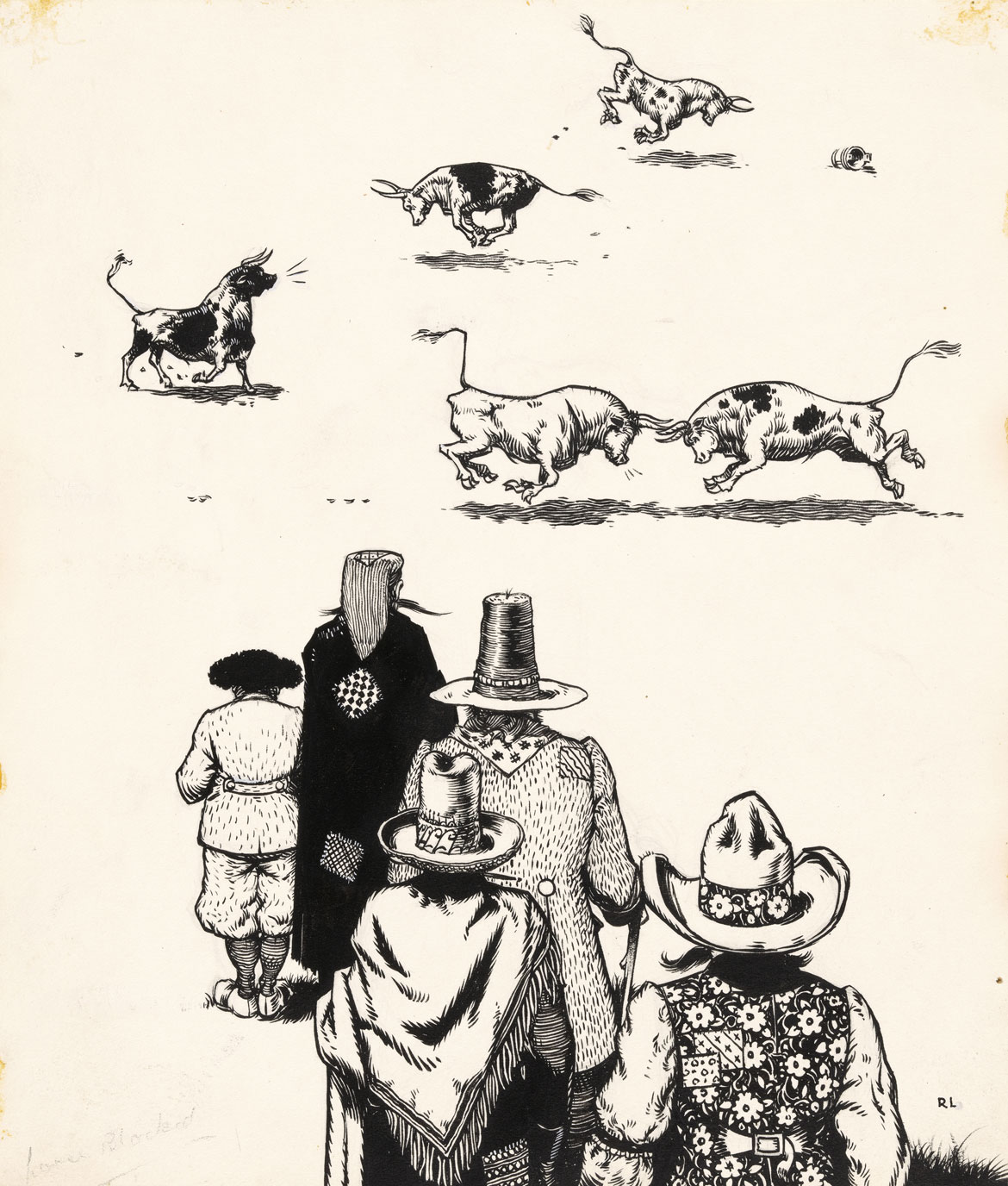
In all honesty, whatever the social controversy, Leaf’s story of the peaceable “Ferdinand” always struck me as a trifle. But Lawson’s drawings are to die for.
In “Ferdinand,” the way Lawson alternates between thick outlines and fine line details gives his drawings energy. The sinewy precision of Lawson’s line may be rooted in his skill in etching. His hatching follows the forms, efficiently giving them dimension. He leaves lots of the white of the page, as a stage—grazing field, stone wall, bullring—that can feel as if carefully illuminated by spotlights.
Like W.W. Denslow’s illustrations for “The Wonderful Wizard of Oz” (1900) or Ernest Shepard’s drawings for “Winnie-the-Pooh” (1926) and “The Wind in the Willows” (1931), Lawson’s flights of fancy are situated in a rigorously observed world. The solidity of Lawson’s drawing, with a dash of caricature, gives ballast to Leaf’s light story.
And yet the sturdy realism of Lawson’s “Ferdinand” can feel like the end of a stylistic era–an era right before Modernism pushed art away from painstaking study of reality and toward flatness and abstract design. “Lawson was standing on the shoulders of the British Golden Age” of illustration, Curley tells me. Turn of the 20th century artists like Arthur Rackham and Charles Heath Robinson. “That was his model.”
Lawson went on to win the Caldecott Medal for “They Were Good and Strong” in 1941 and the Newbury Medal for “Rabbit Hill” in 1944, inspired by his home in Westport, Connecticut, where he had resided since 1923. He and his wife—children’s book author and illustrator Marie Abrams Lawson—shared a studio in their house with their easels facing each other. In their garden stood a statue of Ferdinand.
If this is the kind of coverage of arts, cultures and activisms you appreciate, please support Wonderland by contributing to Wonderland on Patreon. And sign up for our free, occasional newsletter so that you don’t miss any of our reporting. (All content © Greg Cook 2026 or the respective creators.)