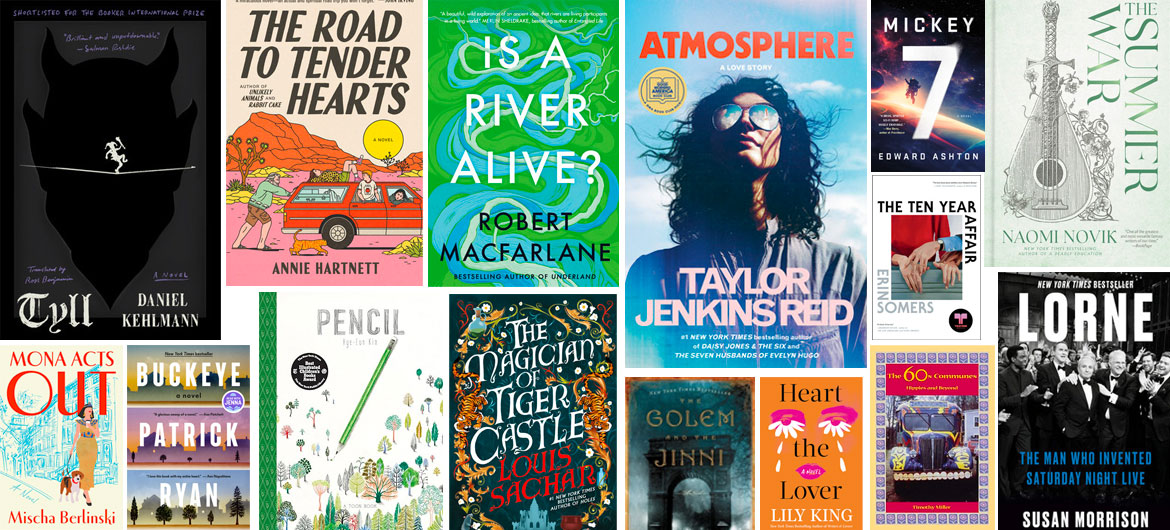
Here are most of the books I read (finished and unfinished) during 2025 in roughly the order I read them. Thanks to the Malden and Boston public libraries for free access to so much amazing stuff. All hail public libraries, bastions of democracy!
“Measuring the World” by Daniel Kehlmann, 2005. The achievements of real-life 19th century German mathematician/scientist Carl Friedrich Gauss and German geographer/explorer Alexander von Humboldt become rollicking comedy as the brilliant pioneering intellects chase math or astronomy or paddle down mosquito-swarmed South American rivers or scramble to the tops of volcanoes with little care for the people around them. Their obliviousness and casual cruelty starts as funny-sad slapstick but as the novel progresses, and the men’s glory years fall behind them, becomes sad-sad. Particularly the way Gauss hassles and harangues his dutiful son.
“The Goblin Emperor” by Katherine Addison, 2014. I think I read this good book before, but had mostly forgotten it because of my dotty memory. The exiled youngest son of the emperor suddenly becomes emperor when his father and brothers are killed by a blast on their airship. The half-goblin half-elf lands in the middle of deadly intrigue in the imperial elf court as they investigate what caused the airship explosion. Assassination attempts follow. And the young inexperienced emperor experiments with some small feminist reforms for ladies of the court. There’s little elf and goblin stuff here, that basically seems to be a vague wave at considering racism? I have little interest in monarchy court drama, but this is an entertaining fantasy about navigating the politics and personalities of high state leadership.
“Victory Parade” by Leela Corman, 2024. In this graphic novel set during World War II, American women working in factories face sexual harassment, have affairs with wounded vets while their husbands are at war, and are haunted by the memories of fleeting virulently anti-Semitic Germany. One German Jewish woman is recruited into wrestling, fueled by her anger. In this comic, everyone looks desiccated, and feels bitterly trapped by circumstances. When the war ends, a soldier husband returns haunted by what he saw while liberating death camps.
“All My Bicycles” by Powerpaola, 2021, translation 2024. Short bittersweet diary vignettes about coming of age, friendships, loves, womanhood and seeking independence—rendered in dreamy personal ink washes. Leaves a sweet sad taste.
“Nicked” by M.T. Anderson, 2024. Screwball comedy about a band of thieves who sail off from southern Italy in 1087 to steal the remains of St. Nicholas from Lycia in what is now Turkey. Led by a conman, with the blessing of the city fathers, the voyage and the efforts to nick what’s left of the saint lead to one slapstick failure and madcap chase after another. Anderson is a great spinner of yarns, so the journey, the characters, the details are delights. A queer love story even comes into focus. But I struggle to care about why these fools do what they do.
“Daybreak, 1968, and “And a Voice to Sing With,” 1987, memoirs by Joan Baez. Read just the parts about Bob Dylan. At one point Dylan seemed ready to propose marriage, but the problem in their relationship seemed to be that she wanted a partner in love, activism and art—while Dylan mainly just wanted love/sex. Baez kept being crushed when she got her hopes up that Dylan might repay favors she gave him as she boosted his career on the way up, but he felt no obligation to repay the favors, just brought her on tours seemingly hoping to get lucky.
I sampled a bunch of graphic novels somewhere in here, but I’m not recalling any of them.
“Beautiful Ruins” by Jess Walter, 2012. A ravishing actress working on the big “Cleopatra” Hollywood film stays in a tiny isolated Italian village—and maybe the guy running the lone hotel, where she stays, falls for her. Cuts between that and a young woman working as an assistant to a mostly washed up producer—and then the hotel guy walks into her studio office. The novel made lots of year-end best lists, but I had trouble caring about anyone, so gave up at page 43.
“Bob Dylan: The Essential Interviews” edited by Jonathan Cott, 2006. I skipped around amongst interviews from 1960s and ‘70s. Fascinating early profiles in The New Yorker (witnessing Dylan recording an early album) and in a college publication (about a tour stop) felt informative about what Dylan was up to, but in straight interviews Dylan often frustrates efforts to understand his thinking—or interviewers don’t understand what he’s talking about so keep getting off the point.
“The Dragonbone Chair” by Tad Williams, 1988. Hailed as a worthy successor to “The Lord Of The Rings” and an inspiration to “Game Of Thrones,” in this 766-page novel a king dies and his older son goes nuts using rotten magic to expand his power, while neglecting his people to famine and crime. A scullery boy who becomes an aid to the king’s wizard happens to always be secretly overhearing/seeing important goings on. Eventually, the teen rescues the other son from the clutches of the brother’s evil wizard, then sets off to the brother’s castle, with help from a troll and his wolf companion and a mysterious plucky girl (who turns out to be a princess). The new king attacks his brother’s remote castle. The boy and troll set off into the cold north to retrieve a magic sword—that might do something to help, maybe? Epic in length, and lots of interesting action, but somehow lacking dramatic tension, lacking a sense of why we should care about these people or kingdoms, and what they’re doing will add up to.
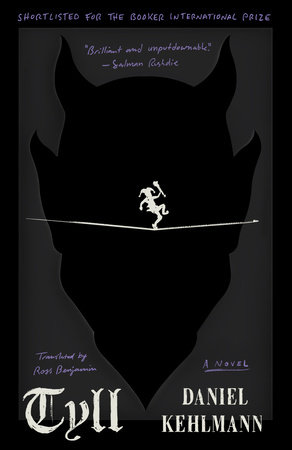
“Tyll” by Daniel Kehlmann, 2020. Tyll—a jester out of medieval folklore, a juggler, a tightrope walker, a comedian of bitter barbs, a mean trickster who relishes pitting people against each other—wanders decimated Germany during the Thirty Years War of the early 1600s. After Tyll’s miller/scholar father is tortured and executed by Jesuit witch hunters—and young Tyll is forced to falsely testify to his father’s “crimes”—Tyll slips out of town with a girl and a traveling balladeer. The boy and girl soon drop the kind but untalented singer to train with a more talented but cruel performer, and work their way up to their own show, until Tyll achieves such renown that rulers seek him to be part of their court. About a third of the way into the book, the perspective shifts away from Tyll and loses a measure of its delight as it focuses instead upon various shifty officious schemers—scholars, clergy, diplomats, courtiers, kings and queens. The story is recounted out of chronological order, as these various, ahem, worthies recount crossing Tyll’s path, while they themselves are consumed by the tangled etiquettes of court, self-destructive self-importance, the snarling ravages of war, and wildly harebrained mystical “science” (including dragon hunting) that becomes a sort of faulty magic. The novel becomes a gallery of portraits of the philosophy of an era. Meanwhile, the performers try to skirt the war, but it finds them—in the company of a deathly ill, deposed king; hiding in an abby before the terrible Battle of Zusmarshausen blasts people to pieces; forced to be one of the miners of the siege of Brno. We last glimpse Tyll via a once beautiful, deposed queen, who arrives at a peace conference in a long-shot attempt to re-establish her son’s status. It’s a excellent, vivid, winding, rueful tall tale, one of the best books I read this year—the absurdities rooted in actual history—of desperately questing for status, stability, respect and freedom amidst the confines of poverty, misbegotten beliefs, senseless relentless cruelty, grinding normality, and the wanton capriciousness of life.

“A Walk In The Park” by Kevin Fedarko, 2024. After working as a mediocre boat skipper for Grand Canyon river tours, Fedarko teams up with photographer friend Peter McBride to hike the length of the Grand Canyon—to mark the centenary of the national park with an article in National Geographic. But the two are woefully unprepared when they talk their way into joining a small group of expert hikers attempting the through-hike. The group accomplishes it—but without Fedarko and McBride, who collapse in less than a week. However the expert hikers are so astonishingly kind that they connect Fedarko and McBride with skilled friends who help the duo prepare to do the hike right and chaperone them on the way when they’re ready to continue on. Fedarko recounts their epic journey, the tales of other Grand Canyon adventurers, the history of the area’s development and preservation, the cruel dispossession of indigenous peoples of the canyon, and the flora and fauna as they make the beautiful, but often grueling hike up and down and along the canyon, in often treacherous conditions—dangerous heat, little water, slippery cliff edges, snow, ice, repelling into deep caves. The book could perhaps be shorter, and Fedarko’s descriptions of places and paths can be confusing and somewhat repetitive. Perhaps that’s just the way the through-hike is? But the book impresses with the scale of their accomplishment and the awe of the extraordinary canyon.
“Sandwich” by Catherine Newman, 2024. This slim novel is full of spitfire rueful humor. We’re in the mind of a middle-aged mom, who is bewildered and angry over where time and menopause have left her—her kids moved out, her body flabby, her husband annoyingly agreeable. When they all—plus the son’s girlfriend and the mom’s parents—reunite for a week of lazying about, beach, pond, sandwiches, seafood at the Cape Cod cottage (maybe in Sandwich?) that they’ve rented for decades, her heart is bursting with love for her grown children, and she’s filled with complicated memories of the kids’ youth. Miscarriages, abortion, health problems, the Holocaust, romance, a death, a wedding. The mom scratches at her even-keeled husband for not having feelings. They’re all insufferably middle-class. But it’s a lively portrait of the thoughts roiling through the mom’s head—doubts, regrets, anguish, love.
Sampled several books as research about artist Leonora Carrington.
“Children of Time” by Adrian Tchaikovsky. 2015. A long, long sci-fi epic about a generations ship sent out from earth to try to find a suitable planet to colonize—after earth has become uninhabitable due to the toxic wars of an earlier more advanced human civilization. When they arrive at a planet, they find it defended by a caretaker ship from the earlier human civilization hell bent on protecting a sped-up evolution project that was supposed to advance primates planted on the planet, but instead created civilizations of brilliant insects. There are wars between humans and between insects and between humans and insects. The overarching question is can people ever get along or must they always destroy themselves. After much drama and misery, Tchaikovsky ventures a hopeful possibility.
“The Woods in Winter” by Suzanna Clarke, 2024. A short story/fable of a wild sister who goes of into the woods with various creatures—and becomes a sort of madonna and child with a bear. Feels like the set up for a story rather than an actual story.
“Robot Dreams” by Sara Varon. 2016. A charming, bittersweet mostly wordless graphic novel about a dog who builds a robot companion only to lose the robot when he gets rusted frozen during a beach holiday.
“Boris The Potato Child” by Anne Simon, 2022. A series of short little comics absurdities. Annoying. Gave up maybe a 1/4 of the way in.
“Women as Demons” by Tanith Lee, 1989. Collection of short fantasy stories. Gave up after a couple.
“The Director” by Daniel Kehlmann, 2025. A fictionalized telling of the life of the great 20th century Austrian film director G.W. Pabst, who was was filming in France when the Nazis seized power. Disappointed by opportunities in Hollywood, he intentionally eventually winds his way back to his Nazi-controlled homeland, much to the astonishment of friends who are trying desperately to find an escape from the horrors. Well written, but this felt way too painfully close to home with the rise of fascism in our United States. Had to put it down about halfway through.
“Habibi” by Craig Thompson, 2011. Reread this graphic novel about a girl sold into marriage, is kidnapped, escapes with a kidnapped little boy, hides in the desert, feeding themselves by selling herself to lustful merchant travelers, then she’s kidnapped into the local eminence’s harem. Thompson’s drawing is, as always, fluid and ravishing. But the tale has perhaps too much sexy Orientalism?
“The People in the Castle” by Joan Aiken, 2016. Collection of short fantasy stories for grown-ups—often with surreal elements, like people collecting words to build into real-world objects. Well written, but after reading a couple felt like the short stories didn’t go much of anywhere.
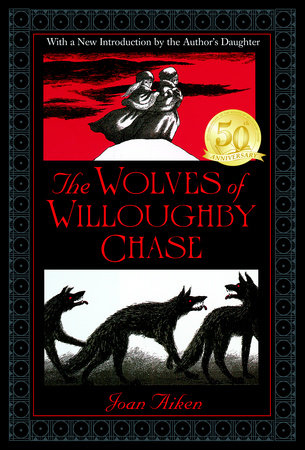
“The Wolves of Willoughby Chase” by Joan Aiken, 1962. A wonderful Dickensonian young adult thriller. An orphan girl living with her poor elderly aunt is taken in by her wealthy uncle, who has a spirited daughter about her same age. But the uncle and wife soon leave on a journey to improve the wife’s poor health, and leave the girls in the charge of a wicked cousin who plots to kill the uncle and aunt and take over their grand estate. The tale features multiple people locked in cupboards, thin porridge, clothes made from old linens, a terrible orphanage/youth-labor-camp, wolf attacks, train voyages, carriage rides, a secret passage, a dungeon, a shipwreck, kindly household servants, a kindly hermit, geese. One terrible thing happens after another—and there’s an awful feeling in the various ways corrupt adults trap the girls. Is there a happy ending? Of course.
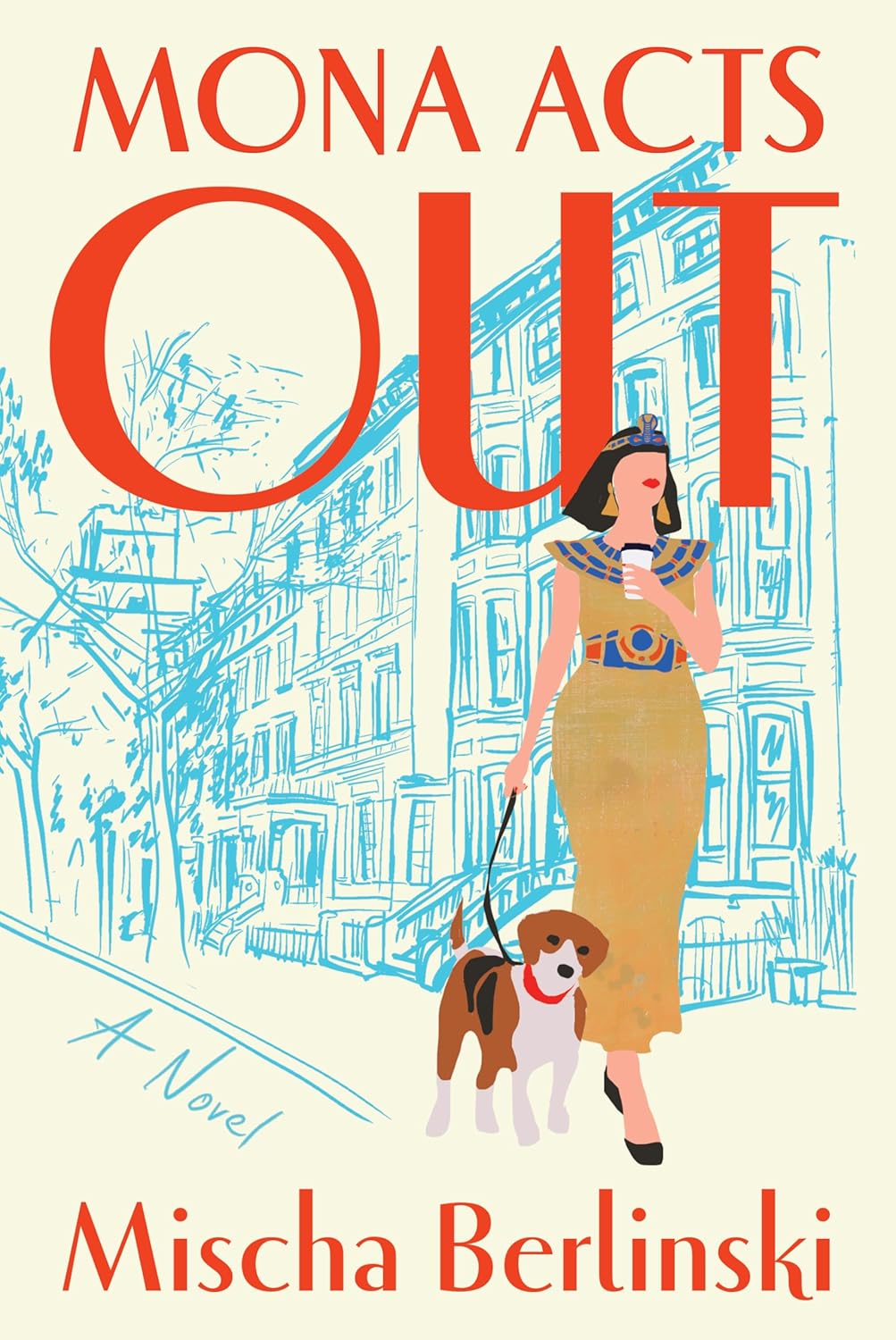
“Mona Acts Out” by Mischa Berlinski, 2025. Mona is frustrated and tired of middle-age, tired of her dull doctor husband (who could be having an affair, but probably not), tired of her husband’s parents who have occupied her apartment for Thanksgiving dinner. So she skips out, with her dog—crashing the Thanksgiving shindig of an old theater chum who she’s not seen in years, but who was the lead source for a New York Times #MeToo expose of the sexual impropriety of their mentor, the celebrated founder of a Shakespearean theater company. The two women actors had been friends and rivals in the theater group—and one of the pleasures of this fun novel is its deep understanding of the passions and pride and exquisite craft and broken hearts that fuel high-art, low-pay culture. Mona feels more indebted and more forgiving of the mentor guy—even though the creep also put the moves on her young niece, the daughter of her recently dead sister. He’s been thrown out of his theater, isolated from his old friends, marooned by the death of his oft-cheated-on wife, and is home wallowing in despair and righteous anger. The whole tale is something of a lark, but it touches on the sacrifices and triumphs of making great art, the emotional and relational prices artists are often asked to pay, blood and chosen family, and who deserves forgiveness.
“The Stolen Hours” by Allen Eskens, 2021. A probationary district attorney investigates the case of a serial killer, who’s brilliant at covering his tracks—and who may or may not have raped her after a high school dance. A tight twisty version, with some interesting office politics, of a pretty standard theme—with a daring-do ending that strains credibility, but would be hot stuff in a movie.
“Pulling the Wings Off Angels” by K.J. Parker, 2022. Parker returns to his signature themes of charming rogue swindlers and conmen in this 138-page cunning novella about a callow cleric with enormous gambling debt who gets strong-armed into a vicious gangster’s scheme to blackmail God for a kingdom in exchange for freeing an imprisoned angel.
“Dylan Goes Electric” by Elijah Wald, 2015. A great, deep, propulsive dive into Bob Dylan’s zooming, early, brilliant rise—from Minnesota to Newport 1965. Wald sharply frames the tale as two contrasting visions—community-building embodied by the musician Pete Seeger and individuality embodied by Dylan. Wald is great at recounting the big events and context—especially the big debate over what was authentic folk music and what was just white colonial commercialism. But the book doesn’t quite get to the whys behind it all—in particular, why were Dylan and Seeger both apparently so upset by Dylan’s electric performance at Newport in 1965. It’s the culminating event of the book, billed as “the night that split the Sixties.” Seeger is clearly furious, Dylan seems hurt. Wald seems hampered by Dylan’s signature silence and misdirection and Seeger’s kindness, most likely feeling he made a mistake over someone he deeply loved and spending the rest of his days trying to bandage it. I suspect in that incandescent historic moment, Seeger felt betrayed, that his beloved protege Dylan was carelessly, selfishly breaking the community that Seeger had so carefully nurtured, over decades, with a turn to the crass commercialism that Seeger had made so may sacrifices to oppose. And Dylan, who authentically loved the old music, still clearly does, craved for his circle, those he esteemed, to embrace his thrilling new adventure. He was only, what, 24? He was jetting to the top creatively and commercially, he was chasing it, yet the fast arriving repercussions of fame unseated him. When Dylan’s old friends didn’t support him, he feels abandoned, so he steels his heart and resolves to go it alone, damn them all.
“Dream Chasing” by Bob Weis, 2024. Weis, a retired head of Disney Imagineering, the company’s theme park design staff, recounts his work on Epcot, Tokyo Disneyland, Shanghai Disneyland, Disney-MGM Studios and more. He was involved in lots of amazing projects, but unfortunately, Weis isn’t a great storyteller and the book could really have used a sharper edit. Weis takes about 100 pages to get going and he rarely gets into detail about design process and decision-making. The result is a corporate manager’s biography, lots of jargon and acronyms, a top-down drone’s eye view of Disney.
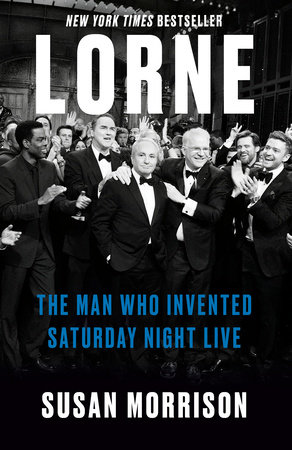
“Lorne” by Susan Morrison, 2025. A great, epic biography of Lorne Michaels, the founding father of “Saturday Night Live.” It begins with his teen years in Toronto dating the daughter of a comedian who appeared dozens of times on the Ed Sullivan show and Michaels’s quick ascent into comedy writing for Canadian and American TV. With “Saturday Night Live,” he centered writers and harnessed the new, young counterculture comedy of the 1970s. He leaves after five years and is surprised to find himself alone in the wilderness before he makes is way back to “Saturday Night Live” again. Then it’s a story of a manager navigating the egos of the writers and performers below him and the corporate executives above him, as the show’s popularity ebbs and wanes and ebbs and wanes, and of a man determined to pursue his vision but not so much that he’d ever risk being off the air again. Part of his longevity is figuring out how to ride out the whims of popularity that threaten the show. Morrison gets deep into Michaels’s philosophy—and has detail of his directing. Though the show is noted for its political humor, it’s a humor that mocks superficial political appearances, but doesn’t really satirize what the politics are about. Morrison repeatedly mentions that everyone’s favorite “Saturday Night Live” is the one from when they were high school. What the book doesn’t recognize is that another part of Michaels’s successful formula is that he has kept the cast and writers young, mainly in their 20s, and the humor is basically jocular collegiate, because it’s always been most aimed at high schoolers’ staying up late and seeing in the show an edgy slightly older, slightly rebellious cool that they aspire to.
“A Time To Kill” by John Grisham, 1989. In small town Mississippi, an hour’s drive south of Memphis, a white attorney takes the case of a Black man who murdered two white men who brutally raped his 10-year-old daughter. Everyone knows the father shot the rapists dead as they exited a court hearing. But can the attorney get a jury to feel enough sympathy for a shattered father’s vengeance? What do you think? This pot-boiler bogs down in pre-trial maneuvering, but the little town case becomes a pressure cooker as the Klan attacks the attorney and his allies, Blacks protest for the father’s freedom, and the National Guard is called in, building to a satisfying conclusion.
“I’m Mostly Here to Enjoy Myself: One Woman’s Pursuit of Pleasure in Paris” by Glynnis MacNicol, 2024. A middle-aged single American lady lights out for Paris as liberation during the second year of covid. Billed as a sexy memoir, it was actually a dull recitation of her career success and griping about the well-off white ladies who gripe about her lack of children or spouse. Gave up at page 70.
“The Quiet Americans: Four CIA Spies at the Dawn of the Cold War – a Tragedy in Three Acts” by Scott Anderson, 2020. A history of how World War II spying evolved into the Cold War birth of the CIA. Anderson synthesizes highlights from old memoirs more than he breaks new ground with his research and the narrative bogs down. I came to suspect that Anderson thinks his four main characters are tragic heroes—that if they’d just made a few different decisions here and there, or got more support from higher-ups the Cold War could have been a … sunny success?—when it’s not clear from their Cold War messes that they’re any sort of heroes at all. Quit at p.176.
Sampled several Books to research Vincent Van Gogh.
“Witchcraft for Wayward Girls” by Grady Hendrix, 2025. In this sharp fantasy, 15-year-old Fern is taken by her father from their home in Alabama to a bleak Florida home where pregnant teens can finish their pregnancy, give their babies up for adoption, and return home with no one the wiser. But for the girls it feels like a trap. Then a prim old librarian arrives on the book mobile and gives Fern and friends a hokey guide to witchcraft—that turns out to be the real thing. What at first seems like an escape route, though, becomes another trap, just as beholden to the rules of other adults and having to pay the price of pain. Instead the girls try to band together to find their own solutions. I had to stop reading for a. bit about halfway through because the story was so bleak and painful—and I feared it was heading into gruesome, violent horror. I picked it up again, and it never quite got to that sort of horror, but it remained bleak until an epilogue. Hendrix mixes goth pulpy trappings with vivid period details that drive home the wrong done to a generation of girls.
“Mal Goes To War” by Edward Ashton, 2024. An AI nicknamed Mal thinks it would be fun to enter the real world of a dystopian civil war of some future eastern United States—leaping from the memory banks of a drone to an augmented human fighter and so on. Mal befriends an 18-year-old woman who fights like a tiger with a grudge but looks like a toddler because her mother bought her some sort of couture anti-aging; a Humanist soldier, from the side that has risen up against the technology-enhanced overlords; and a poor dope swept up in the mess. They’re all charmingly sarcastic in the “Murderbot” style as they wander about the carnage and capricious destruction. Ashton looses the thread of the Mal character as the story nears its final act—its personality feels like it’s shifting, becoming blurry, and kind of stupid. The final act has that problem too—too neat, simplistic. A let down from a compelling beginning.
“The Fourth Consort” by Edward Ashton, 2025. In this witty, sarcastic space romp, the crews of rival colonial ships, working for rival space empires, are marooned on a planet of preying mantis-type creatures (plus tentacles) that they’re trying to win over for their bosses. One ship hosts two humans, a bossy can-do lady and a sad sack guy; the other brings an erudite insect-like fellow. Each team sees the other as rampaging alien monsters. An emissary from the locals arrives to bring the insect fellow and the sad sack into an underground city, where they end up between rival political factions—and the book contemplates the nature of humans and relations between cultures and values and honor. The sad sack tries his best, but his life keeps going (humorously for us) wrong. Everyone around him seems to be manipulating him for their own callous ends. There are assassination attempts and single-combat fighting pits. Somehow sad sack winds up the local queen’s consort—in her twisty and potentially deadly political maneuver. Everything feels impossible, but he charmingly fumbles toward doing good, making things right. What does he have to lose?
“Crushing” by Sophie Burrows, 2021. Bittersweet, nearly wordless, dreamy, impressionistic, slight graphic novel about two singles wandering the big city where everyone seems paired up. They cross paths in a kabob shop but don’t meet. She tries dating app. She waitresses. He has a demoralizing job dressing as an avocado and handing out samples. He gets injured on his bike. They meet at the supermarket checkout.
“Somewhere Beyond the Sea” by TJ Klune, 2024. In this sequel to “The House in the Cerulean Sea,” the magical headmaster of an island orphanage for magical youth must resist a conservative government—while making a place for a new wacky yeti boy. Heartwarming and delightfully too good to be true.
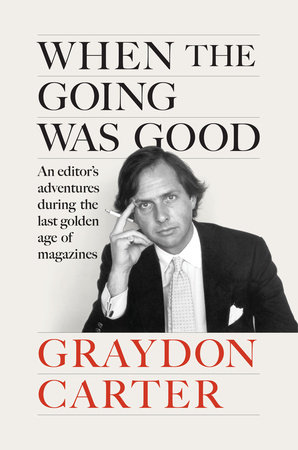
“When the Going Was Good” by Graydon Carter, 2025. The former Vanity Fair editor’s rollicking story of a white guy’s life of wonderful success and adventure in the magazine business. Tremendously charming if you can stomach the wanton wealth and casual arrogance.
“The Third Rule of Time Travel” by Philip Fascassi, 2025. A widowed scientist tries to continue the development of her time machine, in the face of pressure from the tech billionaire she’s sold out to for funding. But her supposedly random time travels keep bringing her back to the worst moments of her life—or maybe the machine is creating these tragedies to scare her off? When there’s one tragedy too far, she races to set things right. Fascinating premise, but the book leaves too many ideas unexplored in disappointing pursuit of pulp cliche.
“Stone Yard Devotional” by Charlotte Wood, 2025. Contemporary woman checks herself into nunnery looking for rigor and solace. Gave up after maybe 30-50 pages. I should probably try this one again.
“Lake of Souls” by Ann Leckie, 2024. A solid collection of short stories by a master of sci-fi.
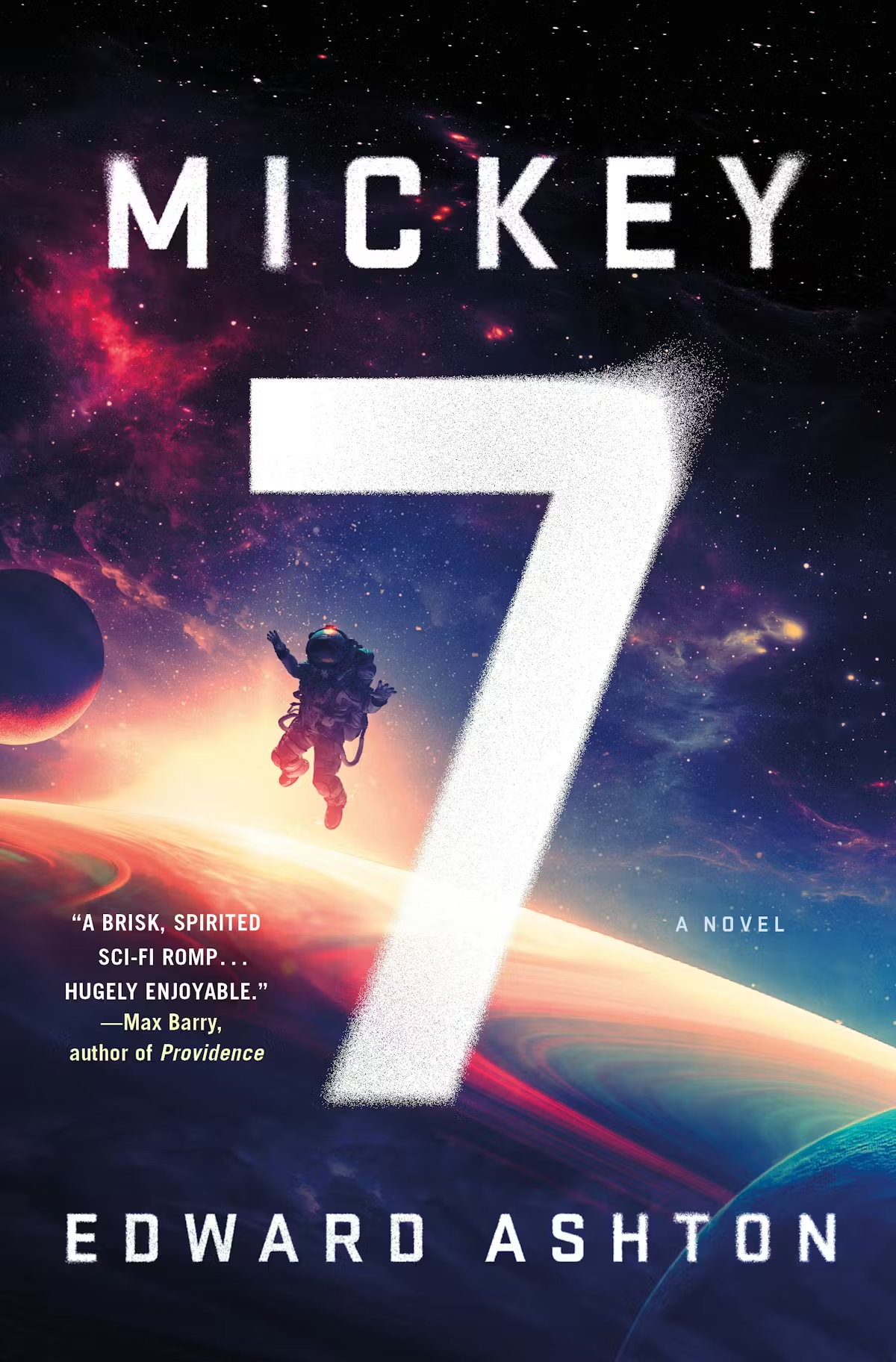
“Mickey 7” by Edward Ashton, 2022. Good sardonic sci-fi adventure about human colonists misunderstanding the native aliens on the planet they’re trying to develop—until Mickey, who signed up to spawn a new clone each time he dies doing hazardous work for the colony, is befriended by the aliens because they identify his clones as their sort of social structure.
“Antimatter Blues” by Edward Ashton, 2023. In this sequel to “Mickey 7,” Mickey ends up between two warring alien groups on the planet he’s part of colonizing. Doesn’t have the spark or originality of the first novel. Feels like a random Star Trek episode.
“Two Lives: Gertrude and Alice” by Janet Malcolm, 2007. In three chapters that feel like the extended New Yorker articles they are, Malcolm ruminates on modernist writer Gertrude Stein and her long-time partner Alice B. Toklas. The first, and most compelling, chapter asks how did two well-to-do Jewish-American lesbians survive the Holocaust in Nazi-occupied World War II France? (The answer seems to be that they had friends in awful places.) The second delves into the creation of Stein’s breakthrough book “The Making of Americans.” The last section addresses Tolkas after Stein’s death. There are some compelling stories, but I finish feeling I haven’t learned much new about Stein’s writing or about her famous interwar pals like Picasso.
“Lavinia” by Ursula LeGuin, 2008. LeGuin’s last novel is a sharp reimagining of the Italian towns that would eventually found the Roman Empire. Prominent men fight a war because they cannot marry a local princess. Instead omens say she must marry the Trojan warrior-king who has arrived from defeated Troy and become the target of the Italians’ ire. LeGuin makes it fresh by presenting all the intrigue from the princess’ perspective.
“The Golem and the Jinni” by Helene Wecker, 2013. In this delightful fable, a lady golem and a man jinni wash up in late 19th century Manhattan, a fascinating warren of ethnic enclaves and grand parks. The golem’s master croaked from appendicitis on their ship over from eastern Europe, and she finds herself unmoored until a kindly old rabbi takes her in and helps her protect her secret. The hundreds-of-years-old jinni appears from an old jug and is taken in by a shy tin smith who repairs pots and jugs and whatnot in Little Syria. Inevitably, golem and jinni meet and strike up a tentative friendship and maybe romance. There’s a tryst with a fabulously rich girl, a magical desert castle, the politics among the staff of a neighborhood bakery, a romance with a young bedouin girl, an evil wizard, and the director of an immigrant shelter who’s lost his faith. Then the golem’s creator, a ruthless, manipulative expert on Jewish mysticism’s dark arts, arrives—threatening both magical beings.
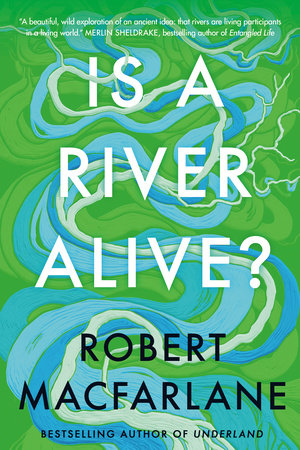
“Is a River Alive?” By Robert Macfarlane, 2025. Wandering British nature writer ponders the nature of rivers. The book opens with a lyrical overture that’s a sort of biography of the spring-fed river near his home through the millennia. Then he travels to Ecuador to find the source of a river in a mountainous cloud forest—and turns into a run-of-the-mill parachuted-in foreign correspondent. His travel companions include a mushroom expert, a sound expert, and two judges who ruled to protect the river under Ecuador’s new constitution that gives rivers personhood. But Macfarlane doesn’t really seem to ask his companions about what’s motivating them, or their thoughts on rivers—so they come off as one-dimensional. And Macfarlane’s metaphors are all awfully industrial and violent—vines are dangling cables in an abandoned industrial site, flower petals are knives, lightning bugs are tracer fire (that one made me slam the book down for a while in disgust). His inability to find natural metaphors clashes with the book’s supposed nature focus. Macfarlane finds an upper part of the river, but doesn’t bother to trace it to its source. At one point he goes on about the sound of the river, then in his head he asks the river a question, but he says it doesn’t answer. As if all that sound he was talking about was nothing, as if the river would speak English. And he doesn’t seem to ask the fascinating philosophical question about if a river is alive what is the river and how is it alive? I’ve usually thought of a river as the water, but is it the watershed, with all its plants and rocks and animals? Are people watersheds too with our arteries and veins rivers flowing through us? None of these sorts of thoughts are in the first third of the book, or the ending. And I didn’t read the rest, deeply disappointed.
“World Traveler” by Anthony Bourdain and Laurie Woolever, 2021. A rollocking, opinionated (read: lots of colorful exaggeration), quick tour through the food culture of several countries. Put together from a book-planning session and quotes from his television shows after Bourdain took his own life. Sampled Cambodia, China, Mexico, Canada, United States, Vietnam. Fun, but kind of slight.
“Women of Walt Disney Imagineering: 12 Women Reflect On Their Trailblazing Theme Park Careers” by Karen Connolly Armitage, Tori Atencio McCullough et al, 2022. A look at the first generation of women who joined Disney Imagineering in the 1960s and ‘70s. Pretty much all those included here rose high in the company. Each woman wrote her own story, and unfortunately they tell it mainly as steps up the corporate ladder, like a narrative resume. Disappointingly little about the creativity and problem solving of specific Imagineering projects. Though the book includes a few grim glimpses of sexually harassing male Disney bosses.
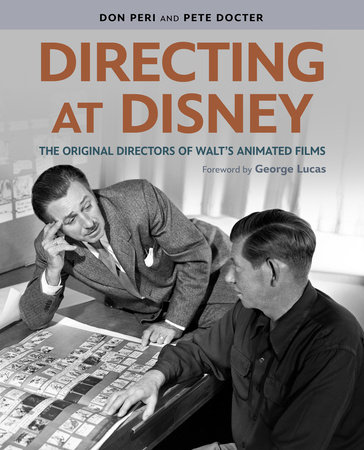
“Directing at Disney: The Original Directors of Walt’s Animated Films” by Don Peri and Pete Doctor, 2024. An in-depth—too in-depth—look at the Disney animation directors who came up under Walt Disney himself. Their charge was to marshal the animators and rest of the cartoon teams to achieve Walt’s vision. The book is a parade of profiles, focusing on the directors’ reputations as bosses, but offering disappointingly little on how they solved creative problems. It goes on and on. Much of the book is tinged with sadness. During the company’s dazzling first decade—from Mickey Mouse’s breakthrough debut in “Steamboat Willie” to the run of groundbreaking classic feature-length animated films, “Snow White and the Seven Dwarfs,” “Pinocchio,” “Fantasia,” “Bambi,” “Dumbo”—Walt was intimately involved in the productions, and the animation teams benefited greatly from his creative guidance and they relished his electric attention. But when World War II killed the company’s overseas market, poor receipts on the features after “Snow White” put the company deeply in debt, and animator’s went on strike, Disney lost his excitement for animation. The company didn’t make a feature animated film for about a decade. By then, Walt had turned his attention to making live-action films, television, and the Disneyland theme park. Leaving the animation team feeling sadly neglected. When he died of cancer in 1966, they forever lost his attention, his guiding spirit, his ambition, his excitement, his love.
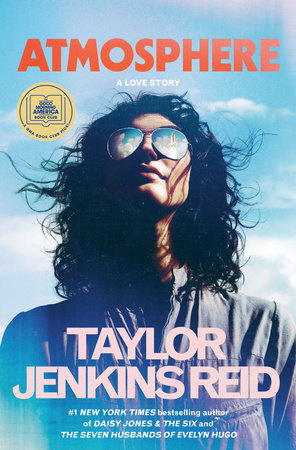
“Atmosphere” by Taylor Jenkins Reed, 2025. A fictionalized account of some of the first women NASA astronauts—and love. The novel begins with a deadly emergency aboard a NASA space shuttle, then quickly cuts away to the backstory of the astronauts’ training and team bonding. Jenkins Reed has found success by fictionalizing the lives of golden age Hollywood actresses, a 1960s rock group, tennis stars. This time she seems to be hewing closely to the biography of the first female NASA astronaut, Sally Ride. Unfortunately, the novel’s beginning is lethargic, lackluster—and the characters often feel like cardboard stereotypes: the brilliant, fastidious astronomer/pianist/athlete, the bad-girl pilot, the ruthless individualist angling to be the first American woman in space, the sleazy guy always making the sexist jokes, the sensitive astronaut guy carrying a flame for the astronomer. The story lifts off about halfway through when the good-girl astronomer and bad-girl pilot fall into a tender, sizzling, secret romance. Will homophobia kill their relationship? Will one of them die aboard the wounded space shuttle? Jenkins Reed always goes for the blockbuster Hollywood ending.
“Spent” by Alison Bechdel, 2025. The “Alison Bechdel” of this sitcomy graphic novel (a return to her “Dykes to Watch Out For” style) is a successful comics author tediously annoyed with the demands of her career and how society has changed for the worse since she was younger. Her partner, with whom she runs a Vermont goat farm, suddenly becomes an internet star/influencer. They’re stereotypes of upper class northeast queer liberals. Their friends include the residents of a communal house—a married couple with a child off at college, and two queer roommates (not a couple). The couple independently crush on an old friend who’s returned to town after years away raising her family. So they form a thruple. Then the righteous child quits covid-era college because their asexual polycue blew up after two members got sexual. In retrospect, I think this absurdity is intended as a queer community joke. But youth are often the punchline here, which feels like punching down. The parents’ and kids’ relationships become richer as the book develops, but the book doesn’t rise much above sitcom shenanigans.

“Waiting on the Moon” by Peter Wolf, 2025. J. Geils Band frontman Peter Wolf turns in a memoir that feels like all his best dinner party anecdotes of his life among dazzling musicians, poets and film stars. As a Bronx teen he sneaks his way into Bob Dylan’s world—and swipes Dylan’s wine. He befriends legendary blues musicians Muddy Waters and John Lee Hooker by showing up at their shows early, volunteering as their roadie, and finding them booze. He marries Faye Dunnaway at the height of her Hollywood beauty and fame. She proceeds to cheat on him with Jack Nicholson while they’re filming “Chinatown,” so Wolf hurls Nicholson’s living room set into the pool. He meets Alfred Hitchcock to try to get a soundtrack-writing gig. He dinners with poet Robert Lowell and separately at Julia Child’s home. He befriends Van Morrison, bumps into John Lennon, and opens for the Rolling Stones. He records duets with temperamental Aretha Franklin and Merle Haggard. He gets thrown out of the J. Geils Band. Wolf manages to leave out all the dull connecting tissue, so it’s the choicest stories of a life among amazing creative people—delightful, a bit naughty, heartfelt, fun.
“Jonathan Strange & Mr Norrell” by Susanna Clarke, 2004. The revered alternative history of 19th century England, as a revival of magic helps in the Napoleonic Wars. I’m generally don’t much enjoy 19th century British literature (a personal failing!) and found myself struggling though this imitation. Quit at page 190 of 846.
“Outside the Box” by Hillary L. Chute. 2014. Read interviews with Charles Burns, Lynda Barry and Aline Kominsky-Crumb. The accounts are most penetrating when the interviewee is a great thinker/raconteur.
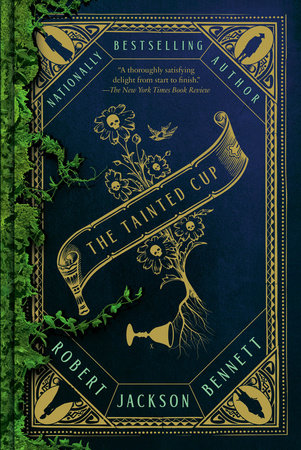
“The Tainted Cup” by Robert Jackson Bennett, 2024. One of the best books I read this year. A terrific political murder mystery set amidst dazzling world-building—a sort of medieval society based around plant-magic faces attack by giant kaijus. For such a pulpy setup, the characters are charismatically well-developed, brilliant, idiosyncratic individuals.
“Black Orchids” by Rex Stout, 1942. Detective investigates a murder during a New York flower show. Read because Robert Jackson Bennett says Stout is one of his inspirations. But the mystery felt forced and dated. So only read the set up of the story, then quit.
“A Life of Privilege, Mostly” by Gardner Botsford, 2003. For readers who really care about inner workings of the old New Yorker (like me)—and wealth.
“A Sorceress Comes to Call” by T. Kingfisher, 2024. Kingfisher uses the tale of a brilliant but conniving sorceress scheming to land a dumb wealthy husband as a metaphor for abusive relationships—particularly how the sorceress treats her daughter. Disturbing.
“Beautiful World, Where Are You” by Sally Rooney, 2021. Rooney is one of my favorite authors. Reread this romance between a wildly financially successful author (feels like a stand in for Rooney herself) and a local fellow who seems to work in an Amazon warehouse. Class issues arise! Doesn’t land the (abrupt) ending.
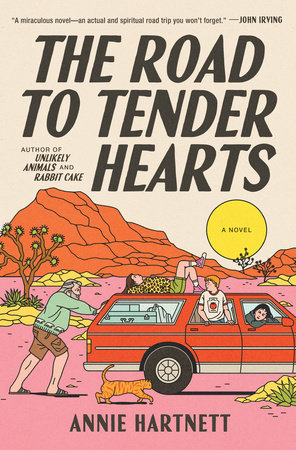
“The Road to Tender Hearts” by Anne Harnett, 2025. Charming ne’er-do-well PJ Halliday has been drinking his life away at the bar since his eldest daughter died, his marriage collapsed, and he suffered three heart attacks. But when the 63-year-old learns that his high school sweetheart’s husband has croaked, he decides to set off across the country from his Massachusetts home to win her back. But before he can hit the road, he suddenly finds himself the guardian of his estranged brother’s grandchildren. Halliday isn’t the kind of fellow to let that stop him. A charming rollicking shaggy dog tale that reads as cross between Carl Hiaasen and Kurt Vonnegut, with Vonnegut’s slapstick. What Harnett adds is a deep feeling of love.
“How To Be An Artist” by Jerry Saltz, 2020. I always find myself oscillating between hot and cold on New York magazine art critic and TV art judge Jerry Saltz. Skimmed, decided not to read more.
“No Less Strange Or Wonderful: Essays on Curiosity” by A. Kendra Greene, 2025. Read first essay. Didn’t feel the need to read more.

“King of the North: Martin Luther King Jr.’s Life of Struggle Outside the South” by Jeanne Theoharis, 2025. Bracing history that expands Martin Luther King Jr.’s story to his activism outside the South. Necessary and important research, but a difficult and depressing story. Took a break around page 94 and didn’t pick it up again.
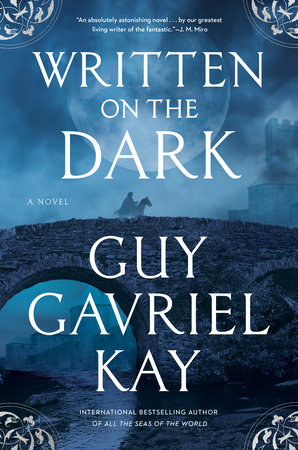
“Written On The Dark” by Guy Gavriel Kay, 2025. On a bitter winter night, an infamous tavern poet gets enlisted in the investigation into the murder of the king’s brother, who has been ruling the country as the king succumbs to mental illness. So begins Canadian fantasy star Guy Gavriel Kay’s latest reimagining of European history—in this case medieval Paris (called Orane, Ferrieres here), threatened by English invasion as well as internally by rival nobles. There’s actually not much mystery to the murder, a cousin of the king is behind the assassination, angling to rule the kingdom. The poet turns out to also be a lawyer and pleads the case against the AWOL cousin, much to the appreciation of the queen—and a lovely widow poet in her court. The English king invades, Joan of Arc (renamed Jeannette de Broche here) joins the battle, the tavern poet gets tossed in a dungeon, the king and his cousin face off in a battle of wits. There’s a lot here for Kay to work with, but the story feels like a string of episodes rather than a whole plot, and Kay’s signature love stories don’t quite gel because the players are too undeveloped for us to swoon over them. But the Kay does achieve his distinctive melancholy—a sense of history’s great wheel turning and eras dramatically coming to an end.
“A Brightness Long Ago” by Guy Gavriel Kay, 2019. Reread this great tale of love and adventure in an imaginary medieval Italy where two outstanding roguish mercenary commanders vie for dominance.
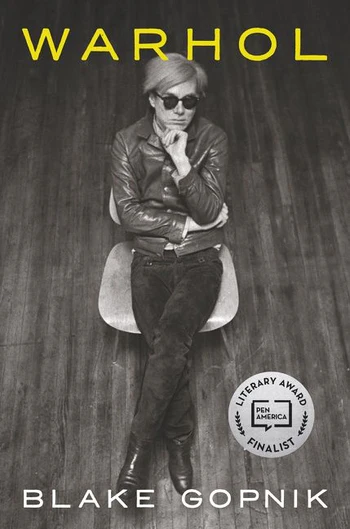
“Warhol” by Blake Gopnik, 2020. A great dive into Warhol’s life and motivations, with illuminating detail about how out gay he already was in the 1950s and how is art is filled with coded personal symbolism. But I began reading this monster 1,000-page epic while in the hospital waiting room the day I got diagnosed with cancer. Yeesh! So ended up putting the book aside about halfway through—before Warhol connects with the Velvet Underground. Need to finish this book.
“Muybridge” by Guy DeLisle, 2025. Graphic novel biography of the pioneering photographer, inventor and murderer Muybridge. Maybe a good primer for kids, but a bit too flip and not enough depth for folks wanting to really learn more about Muybridge.
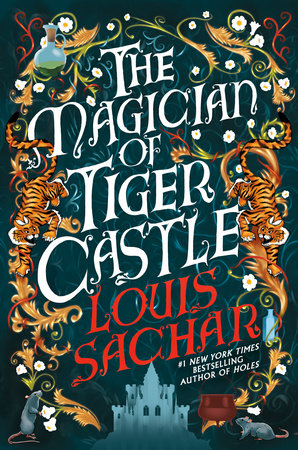
“The Magician of Tiger Castle” by Louis Sachar, 2025. A cranky early Renaissance magician—actually more of an alchemist-scientist—narrates this pleasurably twisty yarn. The problem is the kingdom’s princess has fallen for a scribe despite being betrothed to the sour prince of a neighboring kingdom, betrothed in a deal her family hopes will shore up their struggling kingdom. So the scribe is sent to the dungeon, scheduled to be executed in front of the prince when he arrives for the wedding. The magician is tasked to create a potion that will make the princess forget her love of the scribe so that she can happily witness his head being chopped off. The magician is successful—but things go awry when he tries to save the scribe’s life as well. Flights through dark and winding secret passages, disguises, betrayals, murderous mobs, and war ensue. The magician’s crankiness wears thin, but mostly Sachar is a delightful and witty spinner of yarns.
“Normal People” by Sally Rooney, 2019. Reread this story of a popular boy and outcast girl growing close when his mom is hired to clean her family’s mansion. They become lovers, but on the condition that their romance remains secret so as not to damage his high school popularity. When they leave home for Trinity College in Dublin, the tables turn. She’s popular and he’s isolated and alone—in part fueled by their social class. What follows is an on again, off again romance, full of misunderstandings that keep them apart even though they desperately want to be together. He sinks into crushing depression. She carries the damage from her abusive family into a series of grim, masochistic sexual relationships. Rooney is deep in their heads, narrating their thoughts and feelings in detail. There’s a lot of darkness and sadness in this excellent, wild romance, but you feel their deep love for each other and how it sparks fire each time they get near.
“Sheepdogs” by Elliot Ackerman, 2025. An outcast American military operator and a refugee Afghan pilot try to redeem their lives with one last big score: “repossessing” an airplane for a mysterious freelance spy guy. Of course, everything quickly unravels. A poisoning, a kidnapping, spymasters, mercenaries, a dominatrix, a pregnant wife, an Amish outcast, a rising politician with a weak spot for S&M, for-profit freelance military contractors getting rich on their military connections, international intrigue, the Afghanistan war, the Ukraine war, and a fancy set of china plates. The book is a bit too in love with the supposedly cynical world of military operators and all their acronyms. The text could use tightening up, the plot would be better a bit faster. But this is one of those absurdist rollicking misadventures of lovable misfits that will likely turn into a decent movie.
“The Cider House Rules” by John Irving, 1985. Novel about kindly doctor at a Maine orphanage who performs abortions—and an orphan boy who stays so long that he finds his home there. Got distracted in the first third and didn’t get back to the book.
Sampled several books as research of artist Edward Gorey.
“Slow Horses” by Mick Herron, 2010. The misadventures of a group of intelligence operatives who’ve washed up at an office built to sideline screwups. Usually my kind of thing, read about 100 pages, but didn’t grab me.
“Sunday” by O. Schrauwen, 2024. Long comic about author’s irritating cousin wasting his Sunday. Sadly, I don’t have enough patience for this. Quit early on.
“The Satisfaction Cafe” by Kathy Wang, 2025. The fictional life story of an Asian-immigrant through a couple of complicated marriages, then finally opening a cafe that offers professional friends to customers. Enjoyable.

“The Loves of My Life” by Edmund White, 2025. A sordid memoir jumping around through his life of lots of gay sex. Left me feeling sadly hollow, like White was lacking much love.
“Seduction Theory” by Emily Adrian, 2025. A light comedy about a couple of middle-aged college professors edging into affairs and the (rote) drama that causes. Kind of stereotypical but pleasant.
“The Algebraist” by Iain M. Banks, 2004. Reread this excellent space opera about a sordid scholar trying to hunt down an interstellar portal that might help avert a war.
“Consider Phelbas” by Iain M. Banks, 1987. Also reread this excellent space opera.
“The Polish Officer” by Alan Furst, 1995. When Warsaw falls to Hitler’s invasion in September 1939, a Polish captain finds himself recruited into the Polish spy underground. He ends up crisscrossing Europe—Bucharest, Paris, Warsaw, Ukraine—on various compelling operations. Great until a weak ending.
“Red Gold” by Alan Furst, 1999. French film director washes up in Paris after his military unit is defeated at Dunkirk. Gets recruited by rogue officers within Vichy to be part of underground—and to recruit ruthless Soviet-allied communist resistance members into an alliance.
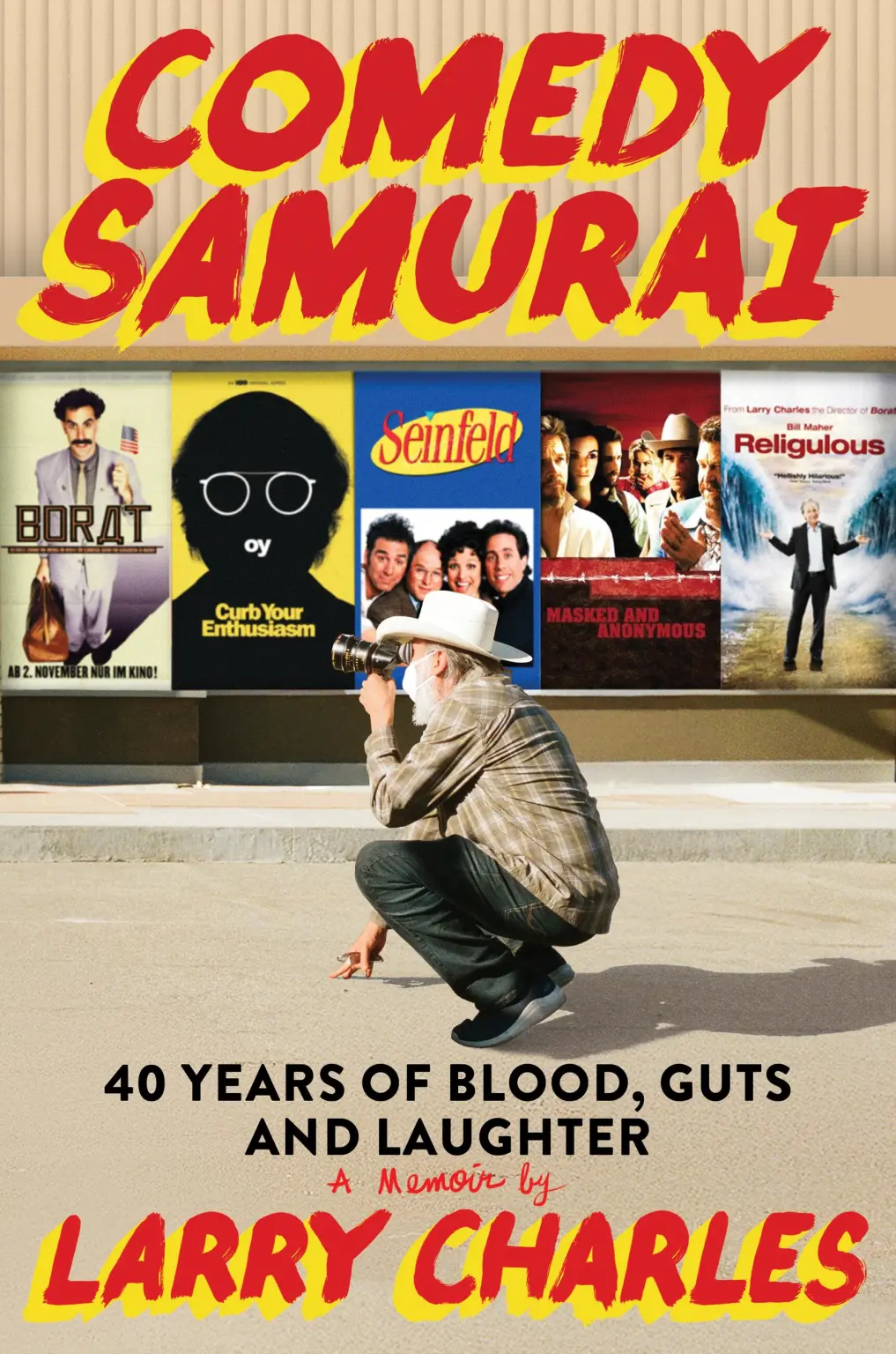
“Comedy Samurai” by Larry Charles, 2025. Excellent, funny, frank memoir of Charles’s time working at the top of comedy on “Seinfeld,” ‘Curb Your Enthusiasm,” “Borat” and the mysterious Bob Dylan’s “Masked and Anonymous.” It’s a tremendous Hollywood ride—with professional and personal crashes along the way, including getting fired by his longtime friend Larry David. Wow!
Sampled several books to research artist Ben Shahn.
“Is This Anything” by Jerry Seinfeld, 2020. Collected jokes from his standup comedy performances over the years. His bland, bitter slice-of-life observational humor feels ever more dated and dull.
“Lucy by the Sea” by Elizabeth Strout, 2023. In this great heartfelt novel, Lucy Barton is uprooted from her life in Manhattan during covid lockdown to small town Maine by her ex-husband and on-again, off-again friend William. She also connects with the sweetest of the Burgess boys for long walks-and-talks.
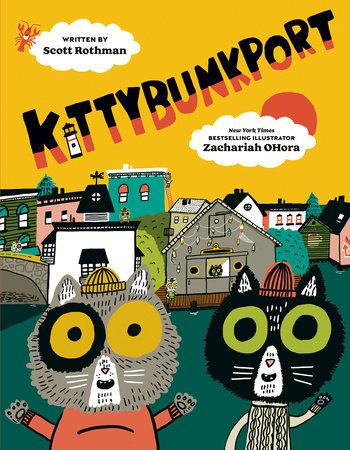
“Kittybunkport” written by Scott Rothman and illustrated by Zachariah OHora, 2025. In this fun, slight picture book, kitties enjoy life in (Kennebunkport?) Maine, until the local lighthouse—rumored to be haunted—breaks down. Adventures ahead.
“Curb Your Enthusiasm: The Book” by Deidre Dolan, 2006. Read/skimmed most. Short capsule episode profiles. Interviews with Larry David, some of cast, comedian friends, wife. Decent if you’re trying to understand David.
“Train Dreams” by Denis Johnson, 2012. Novella opens with man leaping up to help racist fellow railroad workers try to throw a Chinese worker off a bridge to his death. The Chinese man manages to escape frustrating the white guys. Then more about the miserable white guy jerk. Quit at page 24 of 116.
“M: Son of the Century” by Antonio Scurati, 2022. Fictionalized biography of Benito Mussolini’s fascist rise in early 20th century Italy. A good (not great?) bleak book, too much in the heads of cruel, vicious men who relish their lies and self-deception and ruthless violence. Quit at 42 of 761.
“Clown Town” by Mick Herron, 2025. This is usually my sort of thing, so trying Herron again. An absurdist sad adventure with failed British spies, the “Slow Horses,” who’ve washed up at the agency’s minor league office for screw ups. Read to page 82 of 337 but it seemed to still just be clearing it’s throat and warming up, with many unfamiliar characters (maybe familiar if read previous books in series) dealing with fall out from previous (book?) adventures. Well written for spy stuff, but gave up waiting for the plot to happen.
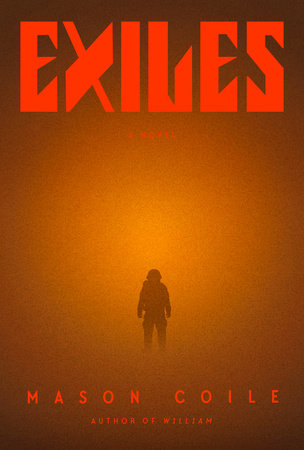
“Exiles” by Mason Coile, 2025. Three people arrive on Mars as pioneers of a settlement. But something has gone wrong with the robots who’ve set up the habitat—one’s run off, two others have gone weird and say the run-off one is attacking the habitat—or maybe establishing the colony has prompted attacks by a sleeper-cell alien. Claustrophobic and weird
“Writers & Lovers” by Lily King, 2020. Began this novel while waiting to read King’s new one, “Heart the Lover.” A 20s-something novelist-to-be finds herself working in a Cambridge cafe after a recent breakup and her mom’s sudden death. Didn’t grab me, so quit early.
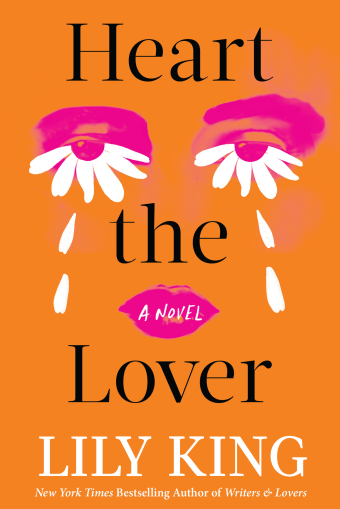
“Heart the Lover” by Lily King, 2025. A charming, nostalgic 1980s college love triangle story. In class, two bright guys notice the writing of a lady fellow student. The first dates her, but it gets too complicated. And the lady realizes she’s really interested in the second guy—but the first broken-up romance puts loyalties and jealousies in the way of the second. Still their romance flourishes, flames, but when the lady moves to France to follow her dreams everything shatters, slowly then quickly. Two decades later, the fellow tries to reconnect. Can they just be friends? Then he gets terminal cancer. The early heat and narrow confines of college romance are a fun ride, but so much pain in eventually not working out. A bittersweet romantic tale. Throughout the book the guy is portrayed as nearly a perfect guy—great with kids, animals, taking care of friends in need, beloved by all. Somehow he still screwed up their relationship. Was he too cautious, as the lady alleges? Somehow the character doesn’t quite ring true.
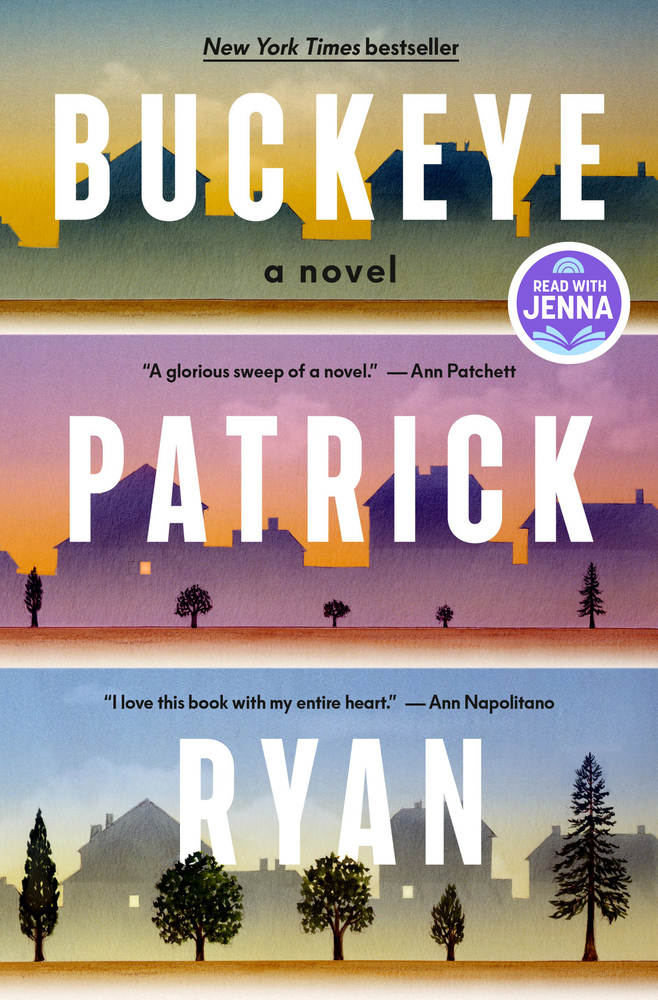
“Buckeye” by Patrick Ryan, 2025. In small town Ohio, from World War II through to Vietnam, hidden romances cause long, terrible repercussions. The complicated melodrama of interwoven lives of various couples. Good.
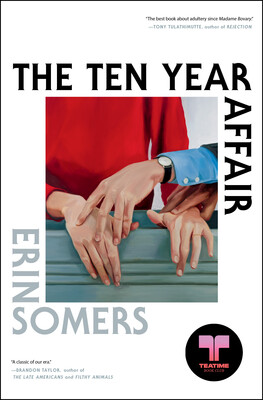
“The Ten Year Affair” by Erin Somers, 2025. Brooklynites move to Hudson Valley to raise their family and fall in with a bunch of other very New York City transplants. At a regular baby and toddler meetup, a mom and dad strike up a flirtation. One night they dabble in something physical. The mom craves a sexual affair, the dad backs off. So she proceeds to imagine an affair—that after a great while actually happens, though somewhat less romantically and with more ugly fallout than she dreamed. Somers writes with a cool wit that feels very Brooklyn literary scene.
“Cannon” by Lee Lai, 2025. Graphic novel about the complicated, queer, Asian-Canadian, dreary, terribly anxious lives of 20-something friends Cannon, who works at a restaurant under a callous and potentially sexually-harassing boss, and her best friend, Trish. Lee, the creator of the wonderful 2021 graphic novel “Stone Fruit,” is a major talent still under development.
“The Emperor of Gladness” by Ocean Vuong, 2025. Vuong is considered one of the greats of our era. His new novel begins with an attempted suicide—and, I’m sorry, but I can’t take that right now, so I put the book down.
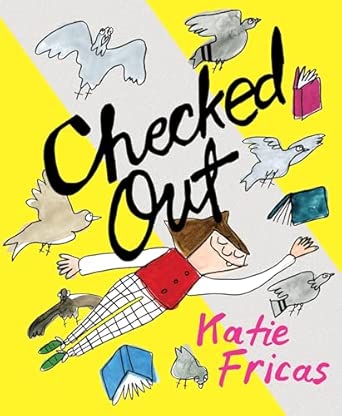
“Checked Out” by Katie Fricas, 2025. Fun, sort of scattered graphic novel about the adventures in life and love aspiring cartoonist and lesbian Louise has while working on her own book about World War I pigeons and working in a private library.
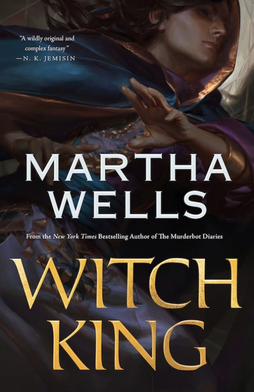
“Witch King” by Martha Wells, 2023. A witch king and friend revive after being frozen by enemies in some island castle. They slowly begin to piece together what happened. I’ve loved Wells’s “Murderbot” novellas, but this didn’t grab me so quit about a third of the way in.
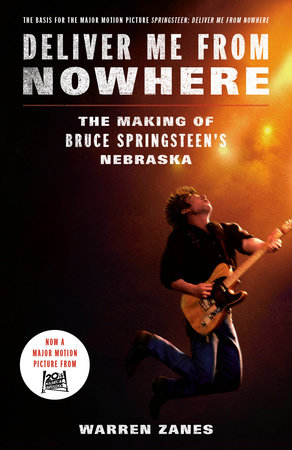
“Deliver Me from Nowhere: The Making of Bruce Springsteen’s Nebraska” by Warren Zanes, 2023. Excellent nonfiction history of how Springsteen created his landmark, personal album 1982“Nebraska,” a cycle of dark songs he taped alone by himself on a multi-track recorder in the bedroom of a rented house, between the anthemic roadshow rock band hits of “The River” and “Born in the U.S.A.” I’m reading it now so that I could proudly publicly skip the movie and come across as a real snob. Really good about the tension between being a band leader/band guy versus being a thoughtful soulful singer-songwriter. Zanes has an intimate, personal feel for the collaborative context—and Springsteen’s depression—and class anxiety about becoming rich/successful.
“The Summer Book” by Tove Jansson, 1972. A delightful, quiet, thoughtful, patient, bittersweet novel by the “Moomin” creator about a 6-year-old girl and her grandmother getting into small misadventures as they roam a tiny Finnish island where they’re summering as the girl’s dad works.
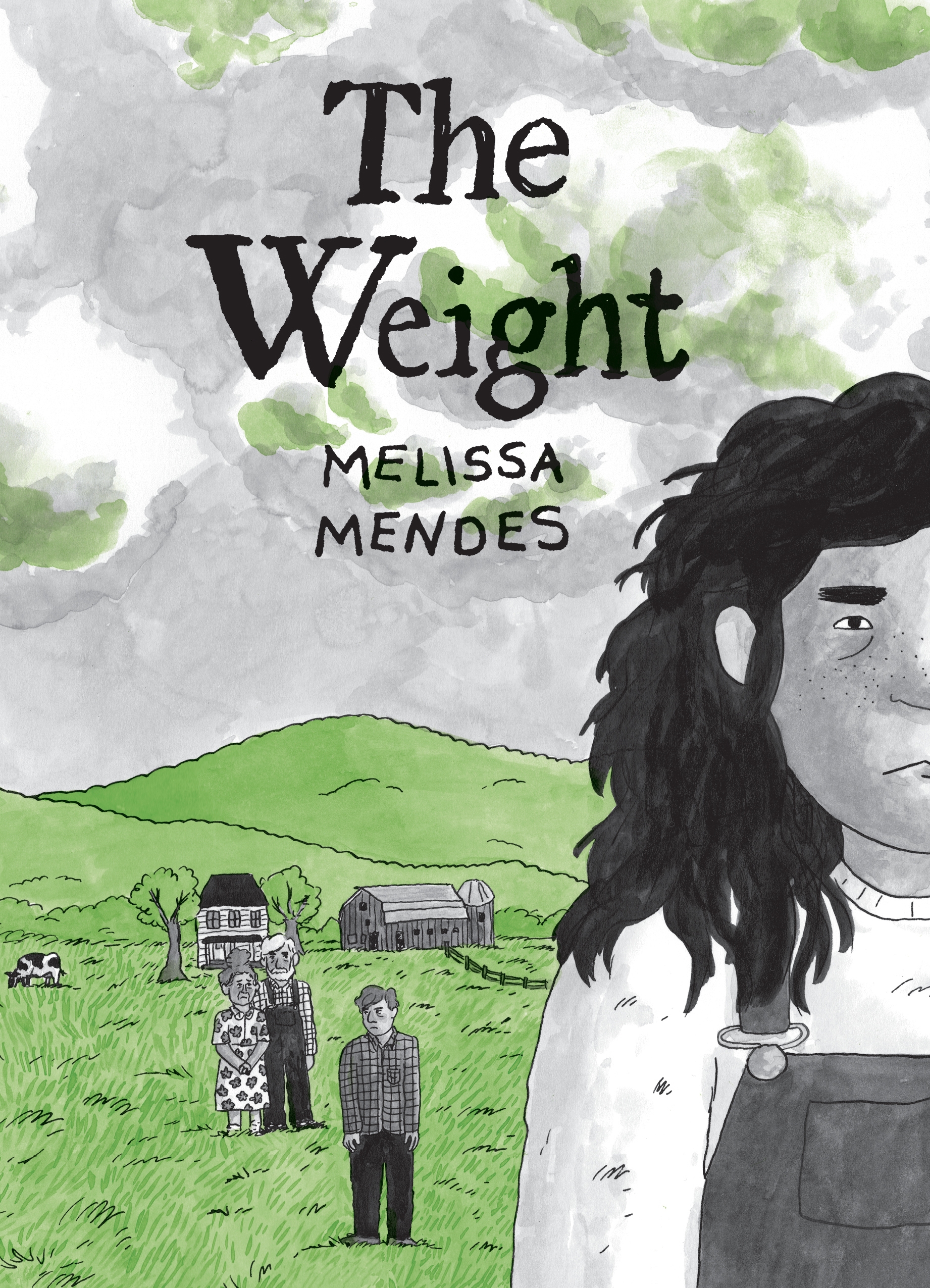
“The Weight” by Melissa Mendes, 2025. An astonishing graphic novel about growing up rural down and out, with cycles of love and domestic violence and running away from mistakes and wrongs. It’s painful to read—with feelings of life as a predestined trap—especially when the cycles of domestic violence circle round again. Which is why a briefly described but loving refuge relationship with grandparents is so moving. Structurally it’s sharp in how it jumps ahead in time. Not sure about the grim ending, which arrives like a needle scratch. But a major work.
“A Farm Life: Observations From Fields and Forests” by Daryln Brewer, 2023. I dabbled in some of these nature reminisces—with a vague feeling of wanting something more.
“Lon Chaney Speaks” by Pat Dorian, 2020. A graphic novel biography of the famous Hollywood star drawn in a style that feels uncomfortably like an AI rip off of cartoonists Syd Hoff and Seth. The writing was pedestrian so I quit early on.
Read some Isaac Bashevis Singer short stories.
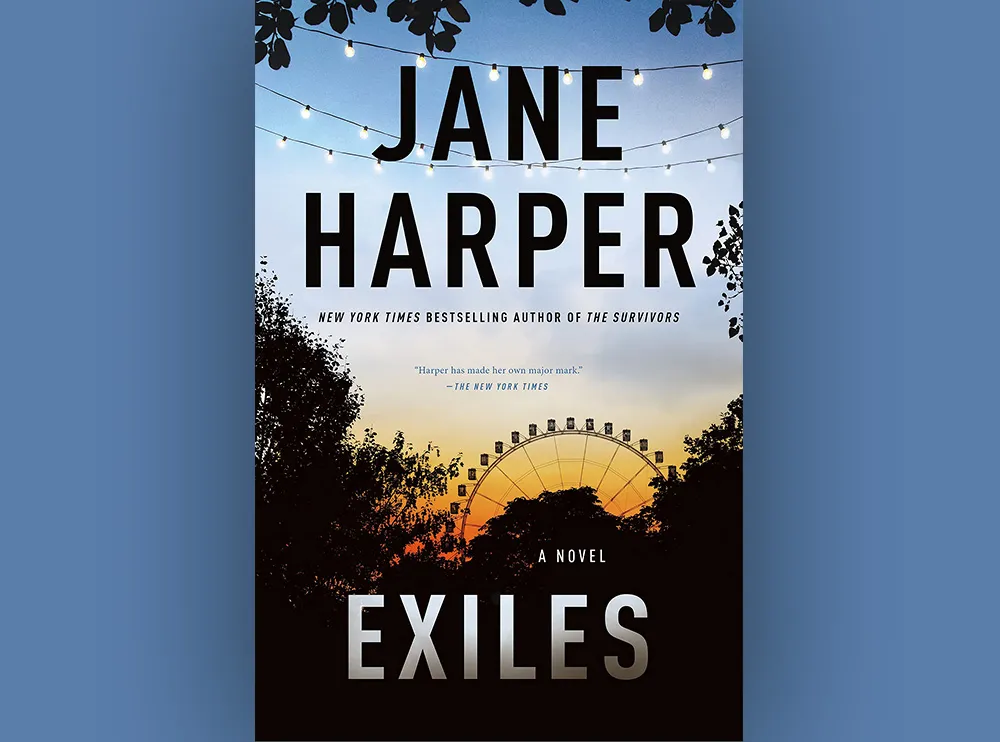
“Exiles” by Jane Harper, 2022. A slow-building mystery about a mom gone missing, leaving behind her baby alone in her stroller at a busy Australia festival. Multiple on- and off-duty cops, friends of the disappeared mom, try to puzzle out what happened—a suicide, a disappearance, a murder? It has the air of a locked-room mystery.

“John Muir: To The Heart of Solitude” by Lomig, 2025. Graphic novel biography of the famed environmentalist. Beautiful but dully written.
“Dark Star” by Alan Furst, 1991, to page 116 of 437.
“The Loneliness of Sonia and Sunny” by Kiran Desai, 2025. Read to page 14 of 670.
“The Last Samurai” by Helen Dewitt, 2000. Read to page 30.
“Rosalee Lightning” Tom Hart, 2016. Devastating true-story graphic novel about a toddler’s sudden, inexplicable death and how it wrecks her artist parents (people I happen to actually know), turning them into grief zombies. Not sure how much of this pain I could read in normal times, but too much for me to read while having cancer, so got near the end but not all the way. I’m sorry.
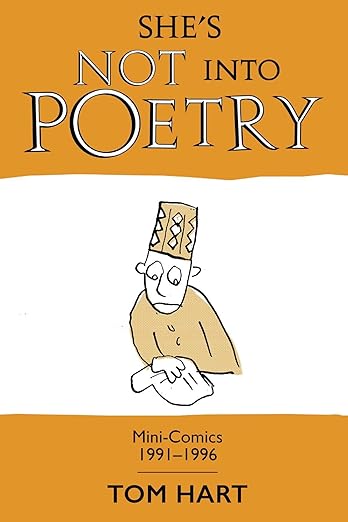
“She’s Not Into Poetry” by Tom Hart, 2011. Collects mini-comics from the early and mid-90s. These comics are full of youth and vibrance and ambition and experimentation. Which made Hart a great inspiration to me when I was starting out in comics. He was just a few years ahead of me, but it felt like light years. With three decades hindsight, many of these are clearly a young man’s experiments. “New Hat,” a sort of poem-story, told out of chronological order, of a raving poet and a forgotten president amidst glimpses of a chaotic war, still reads like the shivering electric breakthrough it was.

“The Burgess Boys” by Elizabeth Strout, 2013. An excellent, deeply empathetic and humane novel about the love and rivalry between two brothers, and their struggling sister in Maine (probably Lisbon), whose disaffected teen son defaces/attacks an immigrant mosque. Sometimes Strout annoyingly ventures into sensational crime to drive her plots—including in this one—but it mostly felt okay here. And the seeming wealth of so many of her lead characters—and the way women tend to happily, almost unthinkingly defer to husbands/men—can be a bit off putting. But I generally love her novels—and her version of Maine feels very familiar. This one is about brothers—and, as someone with a complicated relationship with brothers, it struck home.
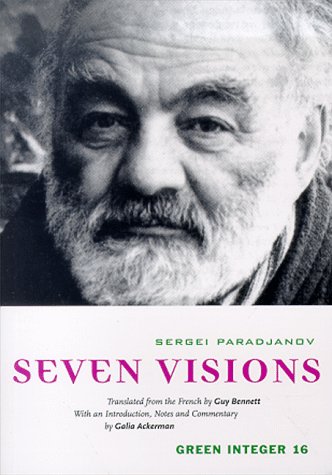
“Seven Visions” by Sergi Paradzhanov (Parajanov), 1998. After seeing short astonishing clips of Paradzhanov’s visionary 1960s Soviet films on social media, I finally tracked down dvds of his films “Shadows of Forgotten Ancestors” (1965) and “The Color of Pomegranates” aka “Sayat-Nova” (1969), which just totally blew me away with their use of rugged Soviet landscapes, feverish closeups, and tableau vivants that bring to mind medieval illuminated Armenian and Persian manuscripts as well as the performances of my friends Bread & Puppet Theater. So I raced down a rabbit hole trying to find anything I could about Parajanov—including this posthumous collection of his mostly unproduced film scripts. The introduction about Parajanov was helpful, but I just dabbled in the scripts. Parajanov was a dazzling visual poet, and these scripts often feel like shorthand of what he planned, so I struggled with envisioning it myself. Parajanov was imprisoned three times by the Soviets—including in the 1970s, right after these films appeared, perhaps for not towing the Soviet socialist realist line—”said to have been tried for anti-Soviet agitation, illegal sale of icons, spreading venereal disease, selling pornography, homosexuality…,” the New York Times reported in 1981. I found Parajanov’s uncompromising self-destructive (?) commitment to his ravishing visions inspiring. I swoon for the wild ones. He talked about the stunted potential of great Soviet directors—a theme that’s been on my mind generally. NYTimes quoting Parajanov in 1981: “In the Gulag, my life had meaning!” he said. “There was a reality to overcome! My present life has no value.’” NYTimes 2001: “My friends believe that in the midst of all that filth I achieved an amazing purity in my work and my spirituality,” he said. “I had a choice: either I go under or I become an artist.”
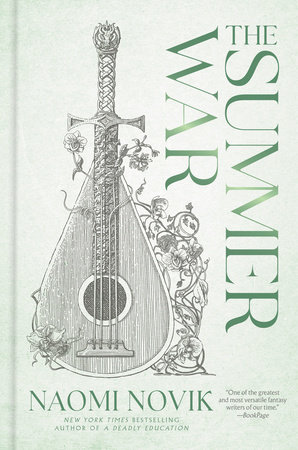
“The Summer War” by Naomi Novik, 2025. This terrific novella tells the story of a witchy princess, her unbeatable knight brother, her overlooked loser other brother, and their politically savvy dad. It’s smart about personal and political power. It’s a gay love story—which compelling upends and refreshes usual fairy tale romance dynamics. It’s got secrets, usually political, that when revealed make the story smartly richer. Of course they all end up in faerie. It’s a story of war and families and politics and love. It’s funny in a way because part of the joy of the book is how convincing it makes it feel that if folks can find a way to back down from their pride they can de-escalate to peace, that there is reason among your enemies, not just the facts pervading our world of a mad will toward power and destruction that we see in Trump or Putin or etc. I really enjoyed her previous books, “Spinning Silver” and “Uprooted,” the dragon books are okay, but had not been able to get into her magic school trilogy. This new novella one of the best things I read this year.
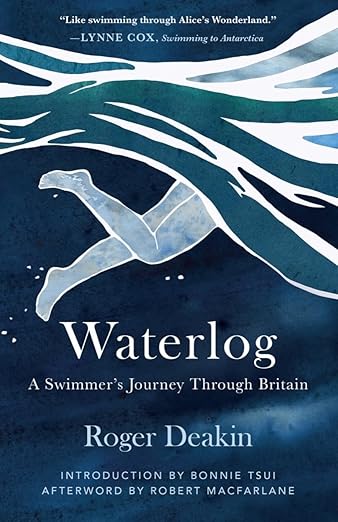
“Waterlog: A Swimmers Journey Through Britain” by Roger Deakin, 2022. The British author and a founder of the wild swimming movement challenges the privatization of UK rivers by sneaking into various waterways, trespassing, finding secret ways in, digging a bit into history, meeting swimming families, and the remnants of century-old swimming clubs. I’m inspired by his wildman chase of forbidden places and advocacy for making the nation’s waterways public, but the stories are episodic, mainly just observational, not really building to realizations or a bigger picture that I hoped for.
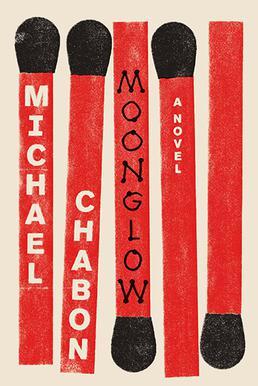
“Moonglow” by Michael Chabon, 2016. Reread this funny, thoughtful, mournful shaggy dog tale about a Jewish World War II vet returning home to the U.S.; marrying a sexy, but psychologically damaged French war refugee; and getting into America’s post-war space race industry—but seemingly held up by Nazi-supporting industry leaders building careers around supposedly reformed Nazi rocket scientist Wernher Von Braun, whom the vet had a slim opportunity to kill in World War II after he learned Von Braun’s rocket factory was forcing Jews to work as slave labor. It’s mostly a bittersweet tale about a man desperately trying to care for his mentally ill wife, his hopes, his frustrations, as he tries to walk through life maintaining an even keel.
“The Queen in the Cave” by Julia Sarda, 2022. In this delightful picture book, three young sisters venture into the woods near their home in search of a mysterious queen and meet various odd and dazzling creatures as the woods turn magic. Sarda draws with a beautiful, flowing, fine line.
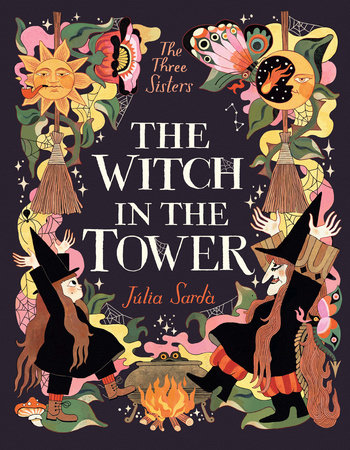
“The Witch in the Tower” by Julia Sarda, 2025. Lovely picture book sequel to “The Queen in the Cave,” about a girl meeting the creepy, wondrous witch who lives beyond the woods near her home. These slim books touch on something deep about the dreams and aspirations and rivalries of young sisters.
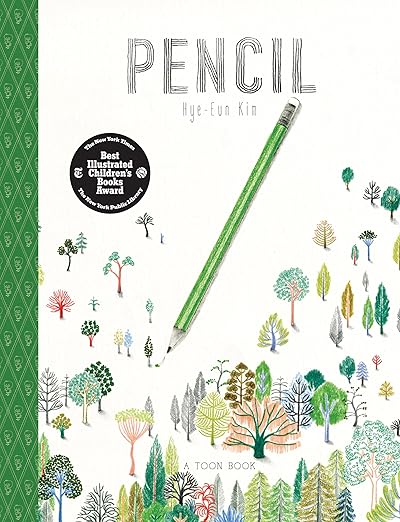
“Pencil” by Hye-eun Kim, 2025. Wondrous, beautifully drawn, poetic picture book. A silent fable about how pencils come from trees and vice versa.
Sampled poetry: “Startlement” by Ada Limon, “Selected Poems of Czeslaw Milosz,” “The Intentions of Thunder” by Patricia Smith, “Collected Poems of Robert Hayden,” “Night Watch” by Kevin Young, “You Better Be Lightning” by Andrea Gibson, “Collected Poems” by Ellen Bryant Voigt.
“Future Boy” by Michael J. Fox, 2025. Memories of the Hollywood actor’s performing in the television show “Family Ties” while trying to break into movies by starring in “Back to the Future” and “Teen Wolf” in the mid 1980s. The actor brings a chirpy, sort of bland voice that glides over complications. Quit reading early on.
“Countries of the Mind: The Meaning of Place to Writers” by Gillian Tindall, 1991. The British author explores her theory about how certain writers make setting a compelling center of their fictions. Compelling topic, but uses mainly older English examples, and kind of dry. Quit reading early.

“The 60s Communes: Hippies and Beyond” by Timothy Miller, 1999. Miller gives an overview of the counterculture movements that sprung up across the U.S. during the 1960s. Most struggled to organize them successfully for sustainability. Most were short-lived. But I can’t help being inspired by their utopianism. I read the early parts of the book, but paused at the chapter focusing on religious communes.
“My Name is Lucy Barton” by Elizabeth Strout, 2016. An aspiring novelist is laid up in a Manhattan hospital and her mother appears from the family homeland in poor, rural Illinois, at the invitation of the writer’s husband. This churns up many difficult feelings about the writer’s hard childhood, her parents, her siblings, her children, her mrriage, and what she’s up to now. Strout writes with such humane kindness and thoughtful observation that her books inevitably end up heartwarming.
“The Ultimate Hidden Truth of the World…” by David Graeber, 2024. I want to like Graeber, but I often find myself quibbling or arguing with him—particularly his big intellectual leaps. In this posthumous collection surveying two decades of his writing, I tried to read his 2007 essay “On the Phenomenology of Giant Puppets, Broken windows, imaginary jars of urine, and the cosmological role of the police in American culture.” I was hoping to learn something new from a smart observer generally from outside the puppet world. But he kept talking too much about terrible activist experiences with police and not that much about puppets—but I found myself also skeptical of his takes on parade/spectacle/activist puppets, which is one of my areas of expertise. So I sadly gave up on Graeber again.
“100 Rules for Living to 100: An Optimists Guide To A Happy Life” by Dick Van Dyke, 2025. This is a light list of advice for the good life by the delightful comedian and dancer of “Mary Poppins,” “Chitty Chitty Bang Bang,” and “The Dick Van Dyke Show,” with a significant lean toward Hollywood. I began to suspect that Van Dyke is just too polite to gossip or push hard advice on you. So the book is charming, but lacking drive. I quit less than halfway through.
“Wild Thing: A Life of Paul Gaugin” by Sue Prideaux, 2025. British art historians seem to get away with shakier reporting, upon which they like to fashion grand pronouncements, plus a sort of casual, unconsidered racism. Named one the ten best books of 2025 by The New York Times, I was dismayed to find this biography was racist in two different ways on page 2! Prideaux describes the South Seas island where Gaugin lived as both “exotic” and “Eden.” Then she wrote that Gaugin’s grandmother’s “eyes [are] full of the fire of the East.” Haven’t been able to stomach reading more—though this book convinces me Gaugin’s activist grandma deserves her own biography.
If this is the kind of coverage of arts, cultures and activisms you appreciate, please support Wonderland by contributing to Wonderland on Patreon. And sign up for our free, occasional newsletter so that you don’t miss any of our reporting. (All content © Greg Cook 2025 or the respective creators.)